



By Ulysses Torres Sabuco
[email protected]
Variety News Staff
THE post–Super Typhoon Sinlaku relief operation is shaping up to be more complex than the response following Super Typhoon Yutu in 2018.
This is primarily due to Sinlaku’s dual impact on both the CNMI and Guam. Yutu, by comparison, primarily devastated Saipan and Tinian, producing one of the largest relief efforts in the Pacific region.
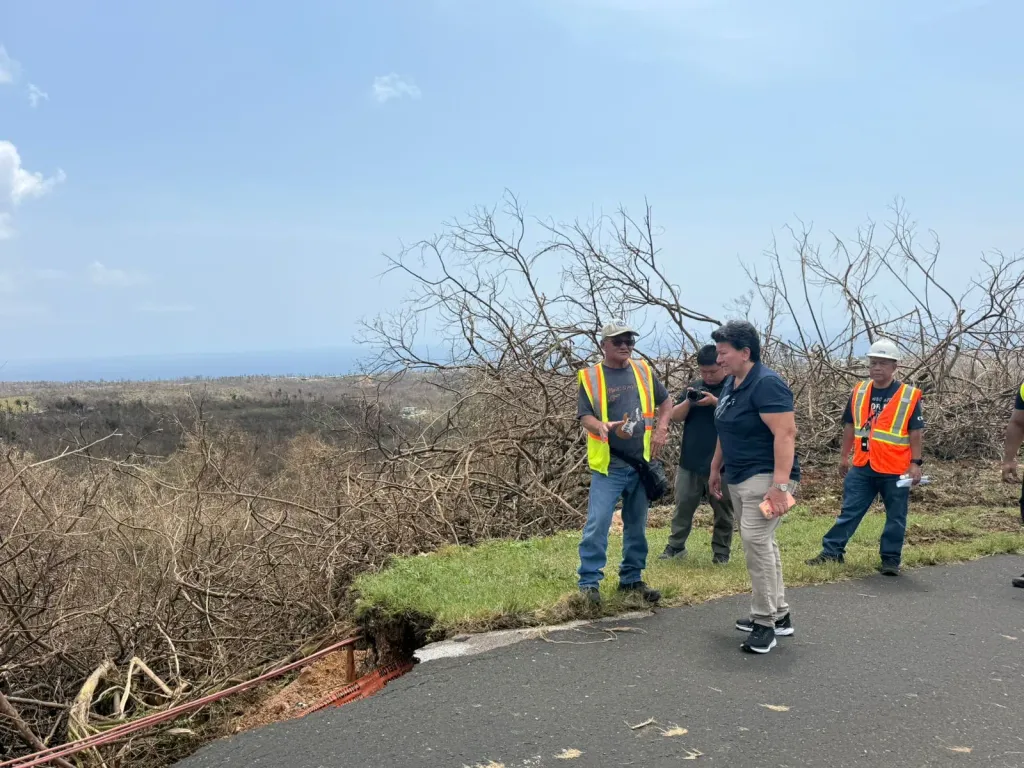
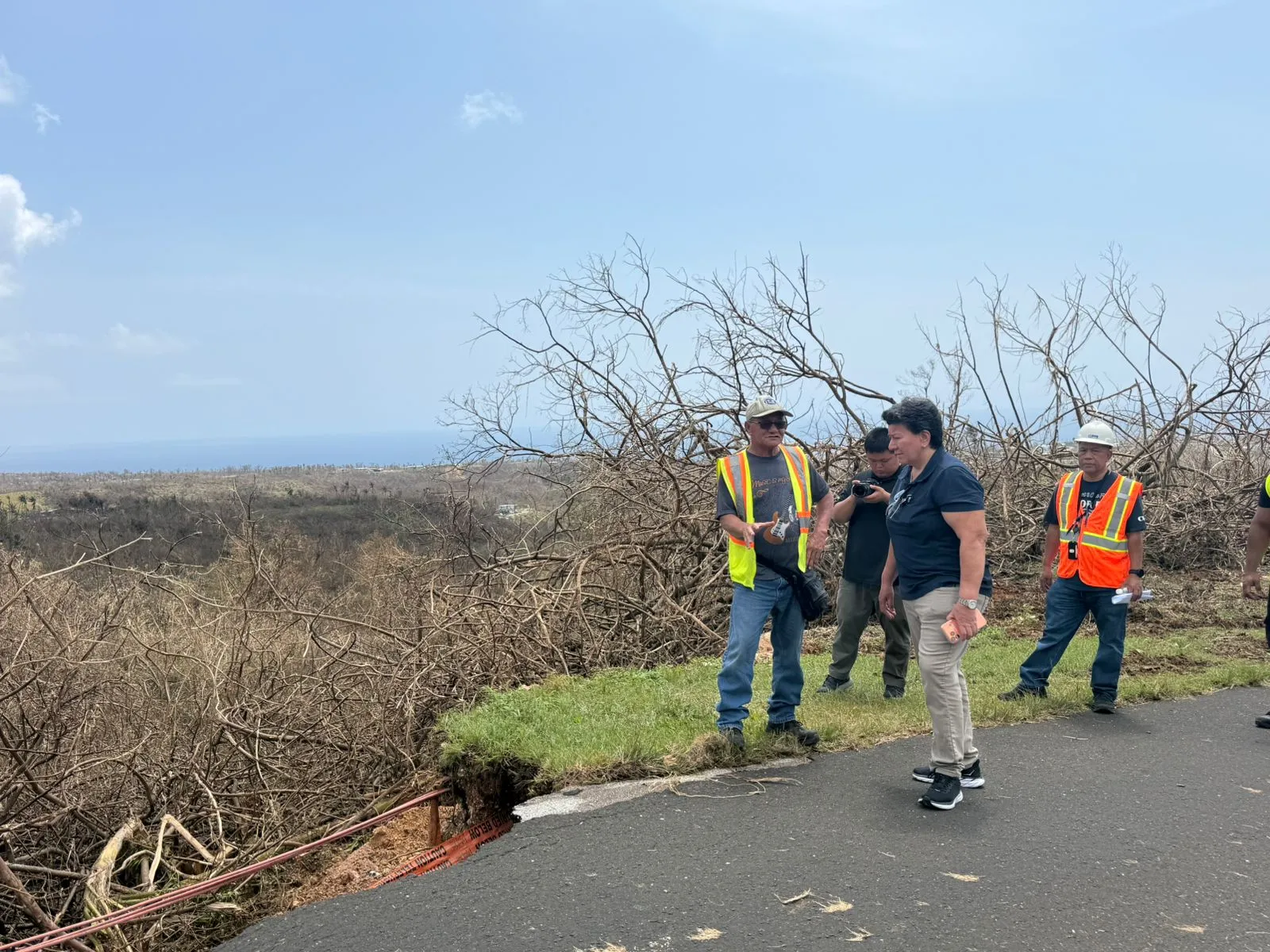
Large-scale support is now being mobilized to address widespread destruction, including island-wide power outages and severe infrastructure damage. Assistance has come from federal agencies, international nongovernmental organizations, and neighboring islands.
The number of organizations involved, as well as the scale of regional assistance, is significantly higher — driven by mutual aid agreements and a broader network of nongovernmental organizations that have remained active in the region since the 2018 Yutu disaster, Variety records and research show.
Variety learned that the Federal Emergency Management Agency has dispatched between a dozen and more than 100 personnel to supplement local response efforts.
The military is also playing a major role in post-Sinlaku recovery, consistent with its dual mission of regional defense and humanitarian assistance. Joint Task Force–Micronesia serves as the lead military command, coordinating with federal and local partners to support response operations.
For port operations, the U.S. Coast Guard has been tasked with the complex work of reopening ports in Saipan, Tinian, and Rota to allow larger supply vessels to dock.
The U.S. military response is organized through Joint Task Force–Micronesia and Joint Region Marianas, with a primary focus on aviation and logistics support.
Military aircraft, including Coast Guard HC-130 Hercules planes, are being used to transport initial FEMA supplies to Saipan.
U.S. Coast Guard personnel are also deployed across Saipan, Tinian, and Rota to assess port damage and conduct search-and-rescue operations for missing mariners, Variety learned.
International nongovernmental organizations are also supporting response efforts. The American Red Cross has confirmed the deployment of more than 100 disaster workers on the ground, while Samaritan’s Purse has airlifted 40 tons of relief supplies.
Regional and local partners have activated mutual aid efforts. The Guam Power Authority, along with groups such as the Ayuda Foundation and Micronesia Climate Change Alliance, has launched large-scale support initiatives.
Local organizations have also mobilized resources immediately following the all-clear declaration. The Ohala Foundation, with support from off-island partners, moved to restock food banks after assisting more than 550 families within the first three hours, Variety learned.
The Salvation Army has activated its Emergency Disaster Services, providing food and supplies while preparing for longer-term recovery support.
