

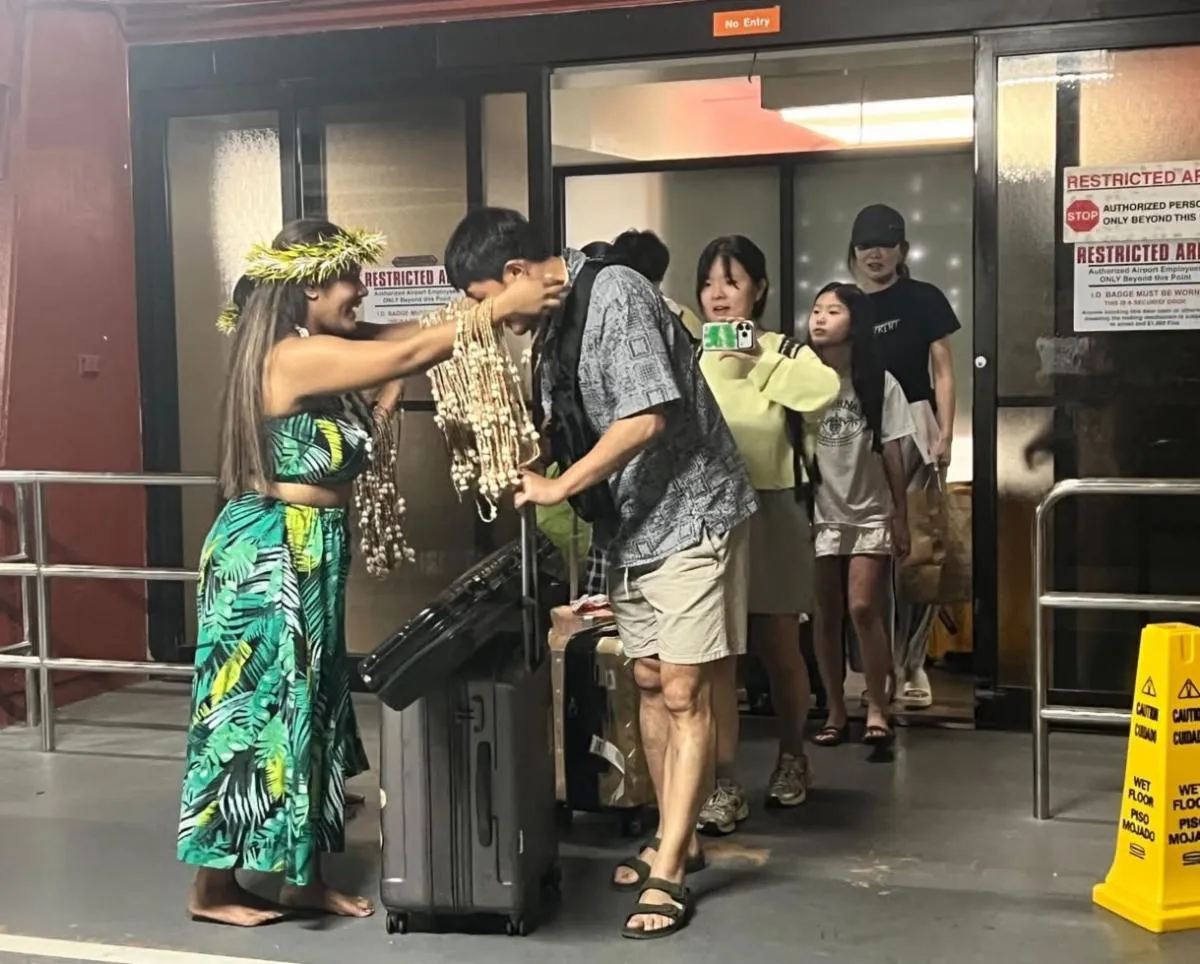



Close to 3,000 bookings from Japan to Saipan were cancelled after the magnitude 9.0 earthquake and tsunami hit Sendai in Miyagi Prefecture that rippled across other coastal towns north of Japan on March 11.
More than 15,000 people died in the aftermath of the twin disasters and close to 10,000 are still unaccounted for, according to the Russian news agency Ria Novosti.
Financial experts pegged damage in Japan at over $310 billion and that it could take the country years to fully recover.
Tenorio said the Japanese people are still mourning but they are still likely to get out of the country.
“We’re getting reports that people are still mourning or they are doing their national duty but we also believe that there’s still a need to travel especially in light of what happened. Maybe people need to leave for personal reasons, for health reasons or whatever,” he told the Variety.
He also noted that when Kobe was hit by a powerful quake in 1995, the number of Japanese travelers to Saipan also plunged but went back to normal after a few months.
“Our experience with the Kobe earthquake is that it took about three to four months when people started traveling. That thing happened in March, so we’re hoping that in July, we’re hoping that people would have done their necessary mourning and start traveling,” he said.
Despite the limited number of air seats coming from Japan since the country’s flagship carrier pulled out its 14 weekly flights between Tokyo and Saipan in late 2005, Japanese remains the bloodline of the local tourism industry.
Tenorio said MVA’s traveling partners are offering Japanese tourists new packages for the destination.
“We’re seeing that our partners are coming up with new packages to encourage people to travel,” he said.
“They say that tourism is not a luxury in Japan, it’s a necessity. Sometimes they need to take a break because they are always busy and traveling may be good for them,” he added.
