




Senate Bill 17-20 also seeks to temporarily suspend the mandatory driver education prerequisite of Public Law 15-25, or the Mandatory Driver Education Act of 2006, among high school students in the CNMI, or those between the ages of 15 to 18.
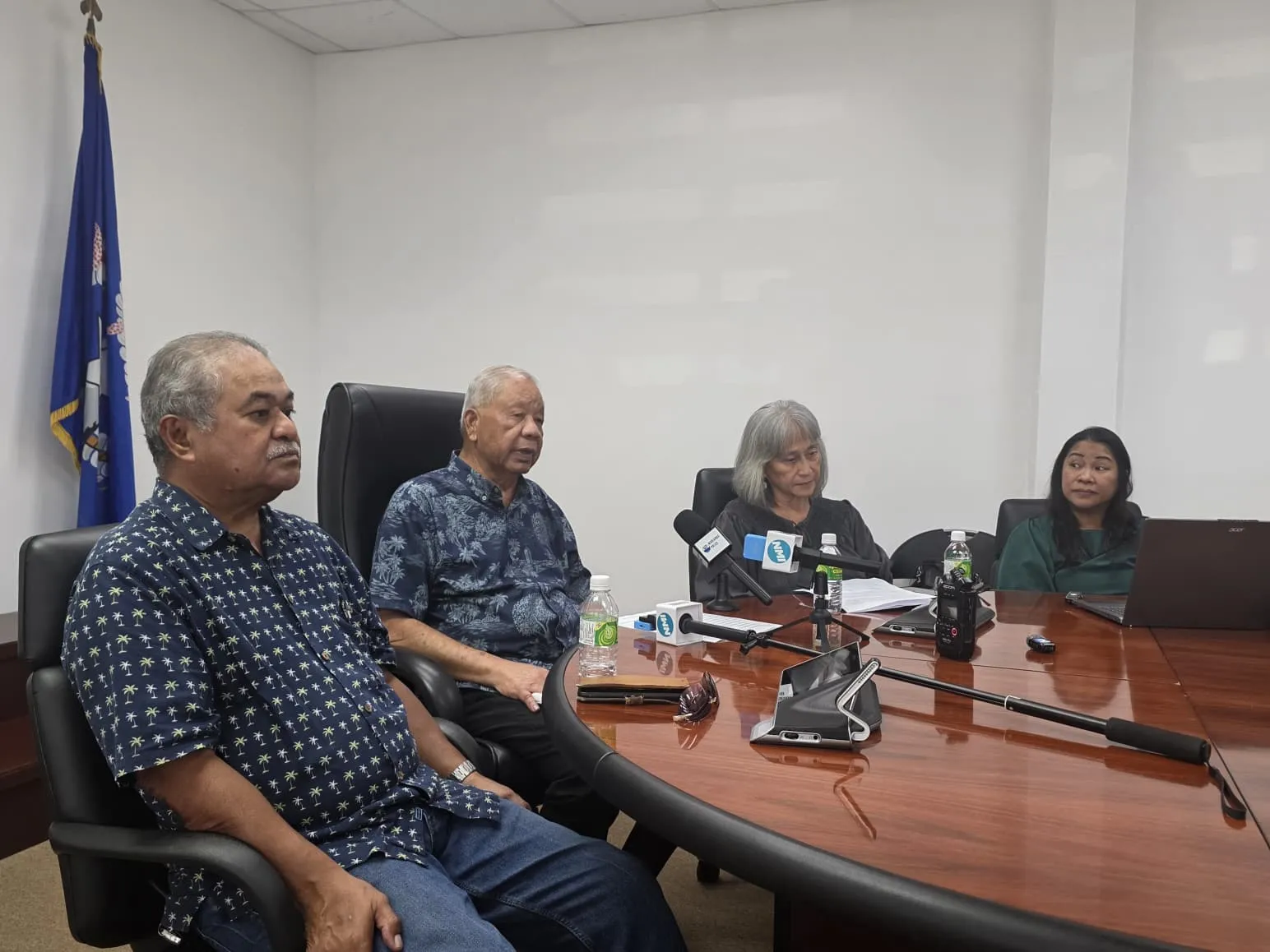
Education Commissioner Rita A. Sablan and Board of Education Chairwoman Lucia Blanco-Maratita jointly told Rep. Raymond D. Palacios, Covenant-Saipan, who chairs the House Committee on Education, that S.B. 17-20 would create more problems for PSS.
The two education officials wrote to Palacios because S.B. 17-20 was referred to his committee after the Senate passed it.
Senate Floor Leader Pete P. Reyes, R-Saipan, sponsored the bill.
According to Sablan and Blanco-Maratita, BOE’s Standing Committee on Legislative Intergovernmental Affairs closely examined the bill and concluded it will have an adverse impact on PSS.
First, it would create additional liability for PSS in terms of instruction hours and potential liability for both the student and other drivers on the road in case of an accident.
“As with other CNMI government agencies, PSS is a self-insured entity. PSS would have to shoulder the costs for any potential accidents or injuries,” the education officials said.
“Secondly, this bill in its current form has not identified any funding sources for PSS to start a driver’s education class. The start-up and maintenance costs of running such a program would be significant. PSS would need to procure vehicles, instructors and related program costs such as textbooks and other learning materials,” they added.
Although a $50 fee was suggested, PSS noted that the fee can be waived for any student “eligible for free lunches or breakfasts at the high school.”
“Currently, 89 percent of our students in high school qualify for free meals, this provision makes funding the program economically impossible,” they said.
The mandatory driver’s education law requires new applicants of CNMI driver’s license to enroll in a driving school for at least three days. The fee is $350.
