

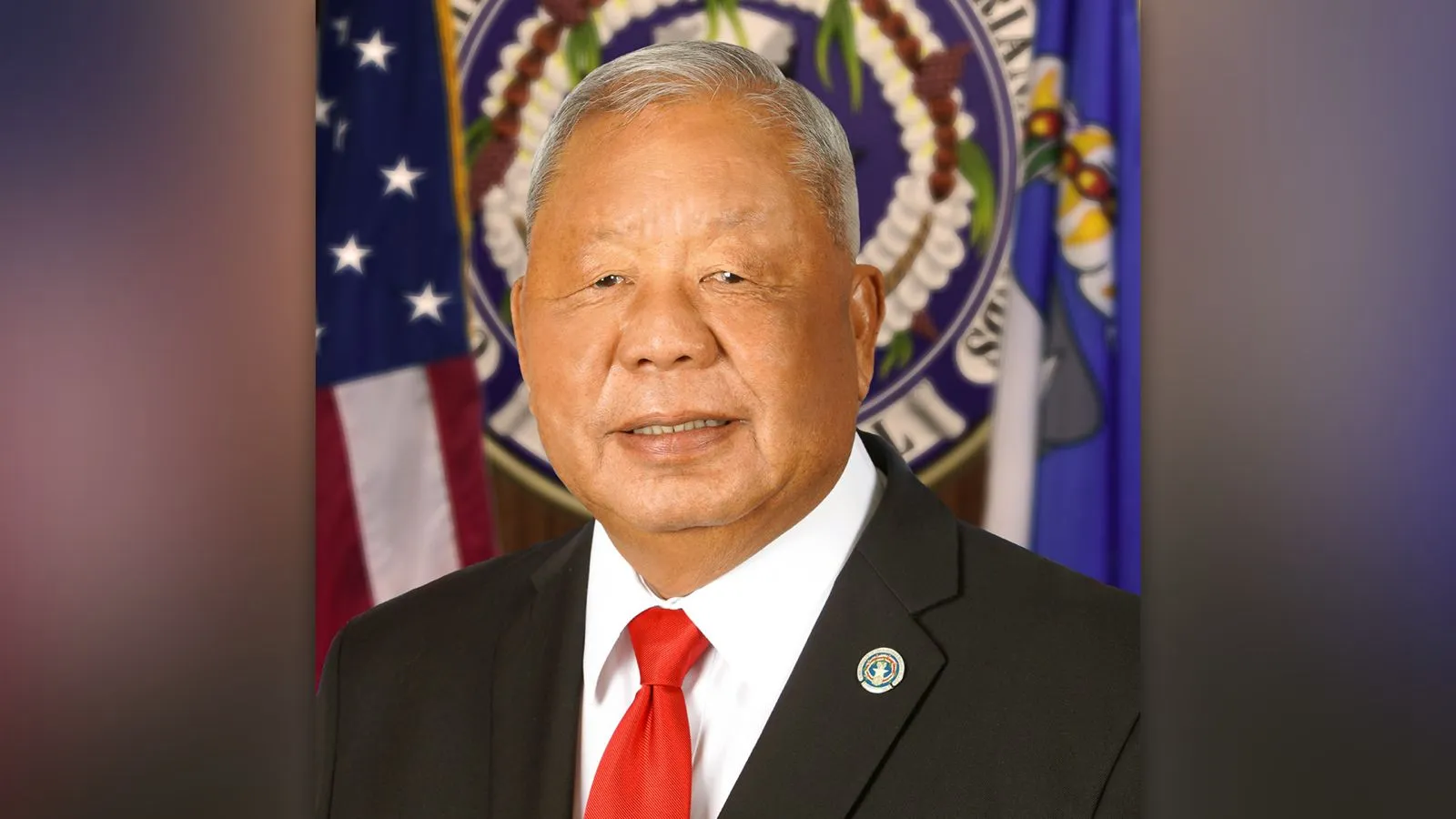
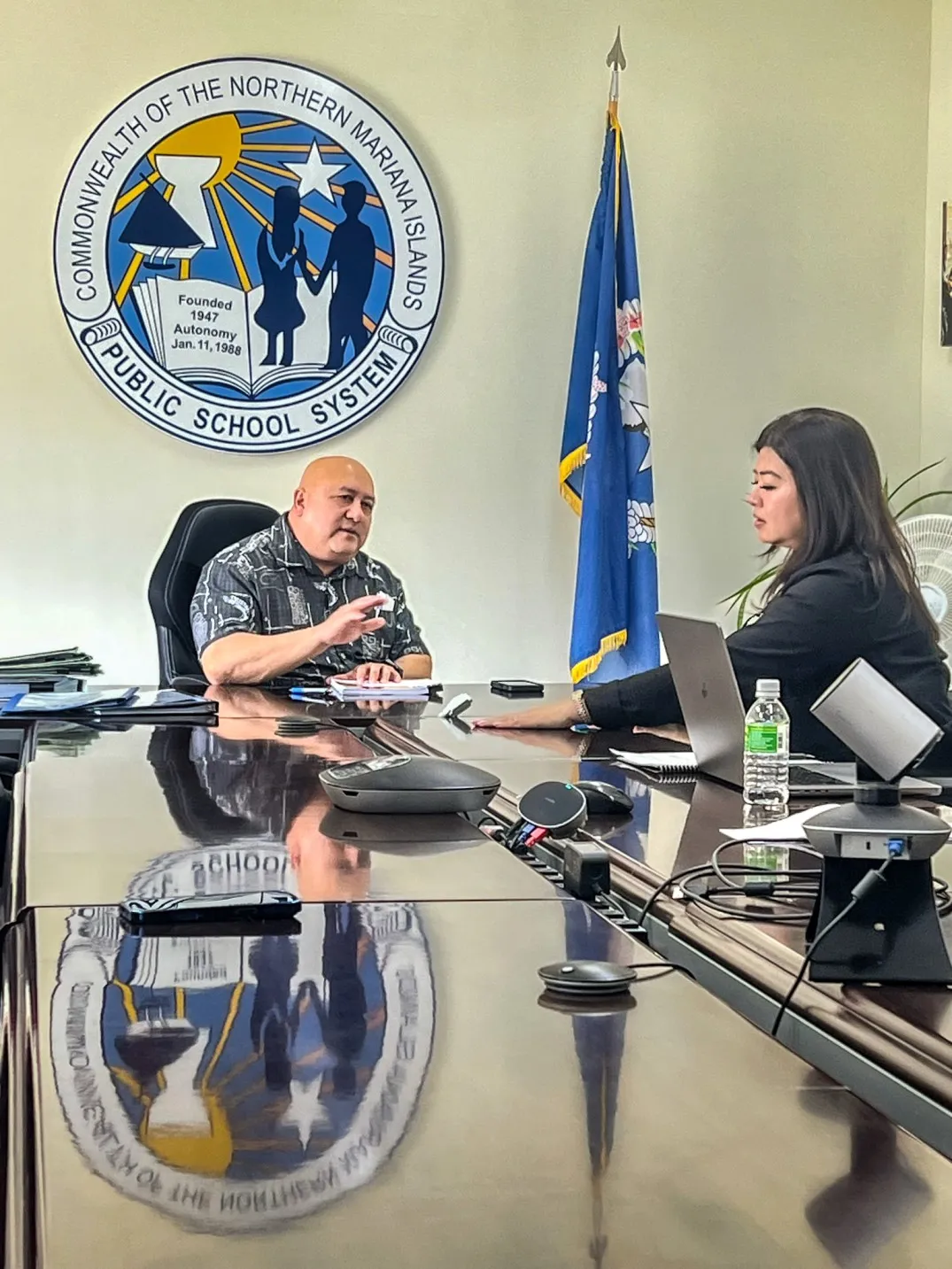


Torres, R-Saipan, said there is a need for “proper research to guide prudent implementation of rules.”
Like Gov. Benigno R. Fitial and Congressman Gregorio C. Sablan, Torres is asking U.S. Department of Homeland Security Secretary Janet Napolitano to consider the commonwealth’s concerns regarding the Guam-CNMI visa waiver program.
In his letter to Napolitano, Torres said the proposed interim rules do not meet or satisfy the purpose of the federalization law, or U.S. P.L. 110-229, and did not establish “a flexible approach to achieve success in border control, national and homeland security.”
The proposed rules, he added, failed to maximize the CNMI’s potential for future economic and business growth.
Torres, who chairs the House committee on Health, Education and Welfare, said that China and Russia could still be included in the CNMI visa waiver program while securing border control and national and homeland security.
“A different criteria in determining level of security should be applied to the CNMI rather than treating it equally to that of the U.S. mainland and Guam. Indeed, while Guam and CNMI are close geographically, the current military station on Guam requires significant security unlike the CNMI where no military base is stationed,” he said.
He said the Department of Homeland Security could implement added security measure when the U.S. has a substantial military investment in the CNMI that would warrant a “blanket approach.”
Delaying the implementation of the federalization law, he added, is necessary until the required additional security measures are in place and DHS can determine that visitors from China and Russia can participate in the visa waiver program.
Torres noted that the federalization law allows DHS to delay its implementation by 180 days.
He said it would be “a significant disservice for the people of the CNMI and inconceivable to apply the final interim rules when the report clearly admits that [these are] both unreliable and based…on numerous uncertain factors.”
He added, “The interim report concedes that it is unreliable because there’s uncertainty in the multipliers used to calculate lost economic output, income and employment as a result of lost tourist spending; and also the uncertainty in the assumption that the number of visitors or the amounts they spend in the CNMI will remain constant over the five-year analysis period.”
Moreover, Torres said, there has been no research done to show the severe economic impact that the proposed rules will have on Tinian and Rota.
Tinian receives about 70 percent of its tourists from China, he added.
“[The proposed rules] may cause a total collapse of the casino industry on Tinian which employs around 600 employees.”
Torres said the CNMI’s economy is drastically declining.
The complete shutdown of the garment industry, increased fuel prices, exorbitant cost of utilities and decrease in tourism have all contributed to businesses shutting down, increase of food stamp recipients and an unprecedented unemployment rate, he added.
He said tourism is “virtually the only economic source for the CNMI.”
The Marianas Visitors Authority said in fiscal year 2008, tourist arrivals China and Russia accounted for 19.6 percent of the total tourism revenue.
“The contribution that these two countries provide cannot be overstated given the current economic crisis here in the CNMI. Such a disruption in the tourism market will substantially affect the economy and the people of the CNMI,” Torres said.
