





GOVERNOR Ralph DLG Torres told the U.S. Senate Committee on Energy and Natural Resources Tuesday that the CNMI has “made considerable progress for U.S. workers in our economy.”
In a statement read by Finance Secretary David DLG Atalig, the governor said: “I am proud to say that the CNMI has taken the mandates of the Northern Mariana Islands U.S. Workforce Act seriously….”
Torres said through data collected by the CNMI Department of Labor, and through labor force surveys conducted by his office as required under the U.S. Workforce Act, “we now have the highest percentage of U.S. workers in our labor force, earning more per hour than in any other time in recent history. This is a monumental success and should represent a new benchmark in our efforts to build a stronger economy and community for our citizens.”
But Torres said the ongoing Covid-19 global pandemic “did produce setbacks in the labor force and economy, given the decline of the tourism industry.”
He said since the collapse of the CNMI’s manufacturing sector, “the economy is solely reliant on international travel and tourism. This pandemic halted the Commonwealth’s sole economic driver in its tracks, and once more, left the CNMI peering over the edge of another economic depression.”
He added, “As tourism arrivals contracted, and restrictions aimed at mitigating the spread of the virus were implemented, businesses closed their doors leaving thousands of employees in need of assistance. While the Pandemic Unemployment Assistance provided many means to mitigate these impacts, I believe the most critical response effort lies in rebuilding the economy that supported these residents.”
Torres said the CNMI has been “working toward the resumption of arrivals to provide essential injection of external resources to the many businesses and employees that support, in one way or another, the tourism sector, and I am proud of the successes we have been able to achieve. However, the tourism economy globally will take considerable time to recover. This is of significant concern for the CNMI as federal resources reach their expiry date, the CNMI has no alternative means to support economic activity.”
Moreover, despite “the considerable performance of the CNMI in increasing its U.S. worker percentages, the reality remains that there are not enough workers, let alone skilled construction workers, to support the growth and development of the CNMI economy or its infrastructure,” the governor said.
“With the historic investments across the nation, and with existing labor shortages, recruiting skilled U.S. workers to perform this work 8,000 miles away is even more difficult, costly, and unanticipated.
“Should the timely deployment of federal resources to support the economic needs of the Commonwealth be of importance to Congress, a nuanced understanding of these challenges and a new look into the accessibility of the CW-1 to support these goals in the CNMI is warranted.
“I request your partnership in seeking a permanent allotment of 3,000 CW-1 permits to support construction activities, inclusive of those unrelated to presidentially declared disasters, during the transition period as a means to deploy funding to support critical infrastructure projects and provide for an additional means to support employment across various sectors of the economy,” the governor said.
A member of the U.S. Senate committee, Republican Lisa Murkowski of Alaska, for her part, said she had visited the CNMI in 2018 to discuss its workforce needs, adding that she can only imagine how deep the issue has become over the years, given the disasters that the Commonwealth has endured.
“Now you [have] an opportunity to build something, but you don’t have workers,” she said. “Maybe this is just me saying that I feel your pain, but it’s something important for this committee to recognize that we need to give you some flexible tools when it comes with the benefits, of whether it’s American Rescue Plan Act funding or whether it’s the funding that is coming our way under the infrastructure bill,” the senator said.
Chaired by Sen. Joe Manchin, D-W.V., the committee held the hearing to examine the state of the territories in light of the Covid-19 pandemic.
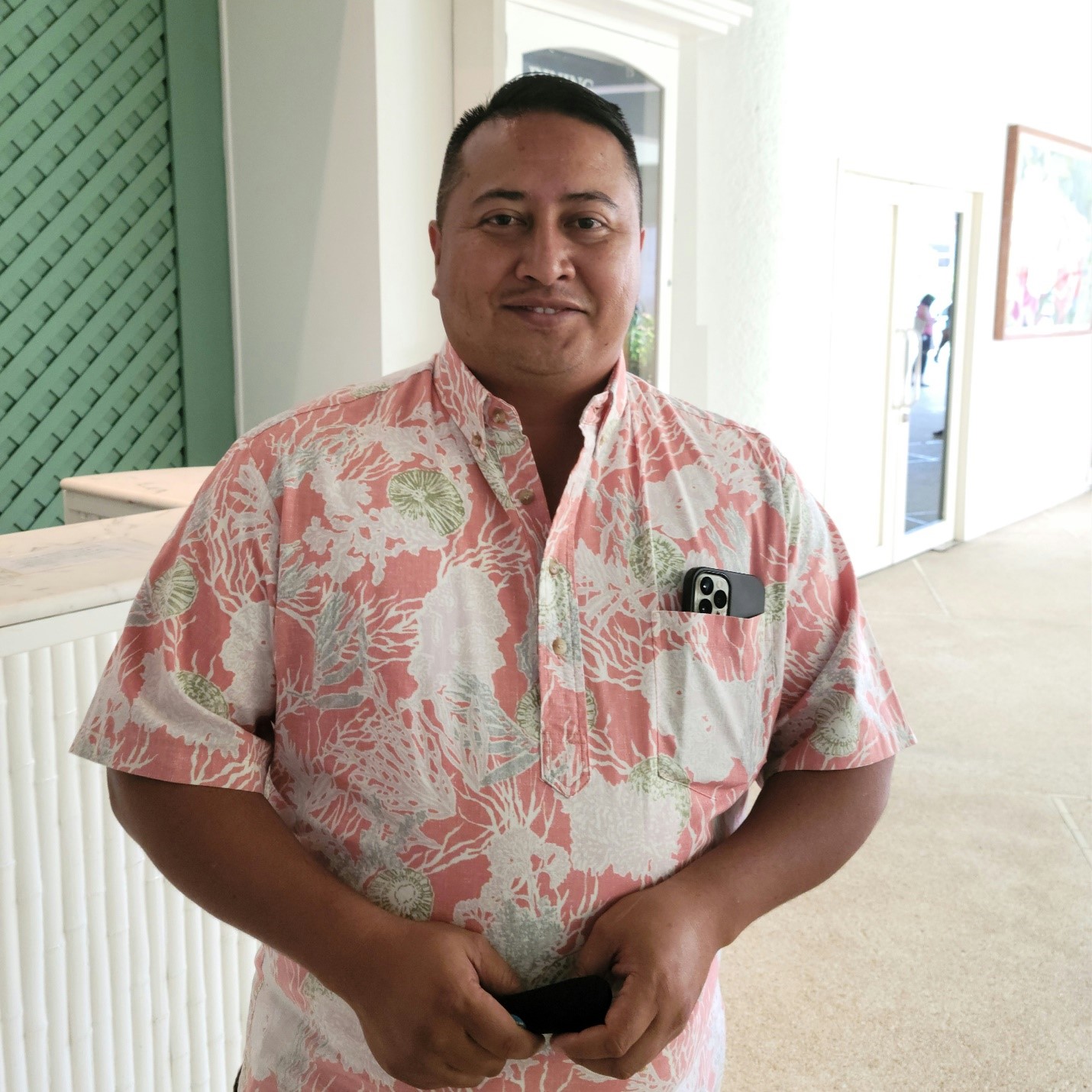
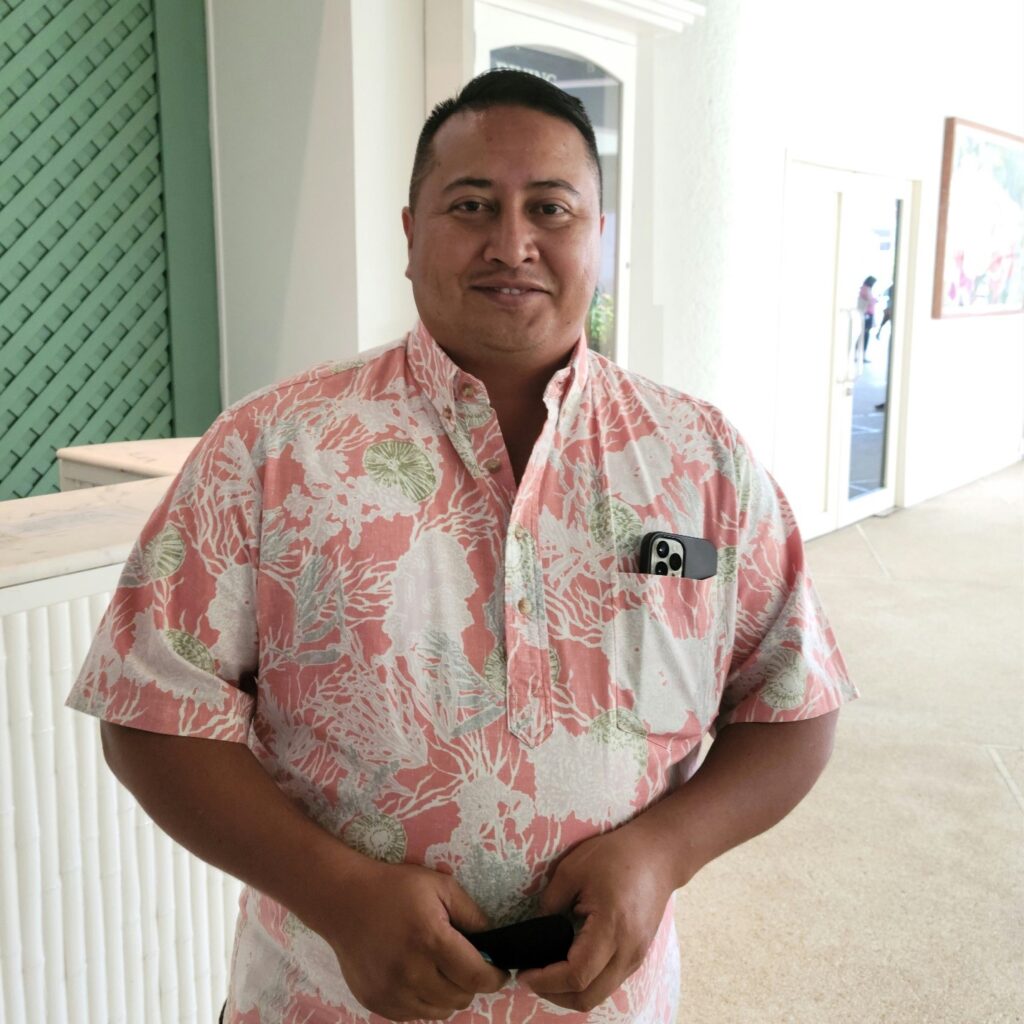
Ralph DLG Torres
