




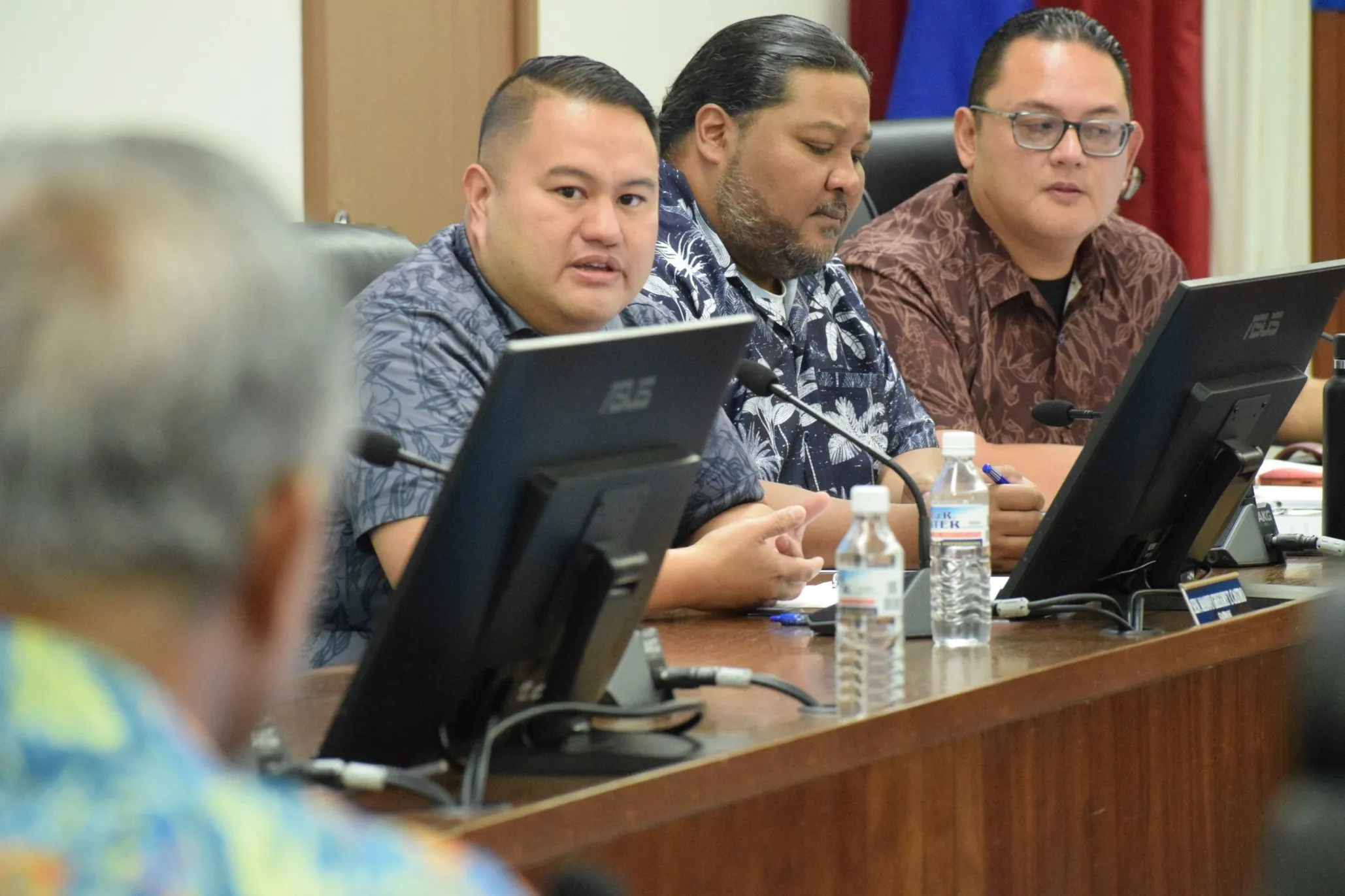


The Senate ratified the third arrangement implementing the Nauru Agreement setting forth additional terms and condition of access to the fisheries zone in the Pacific.
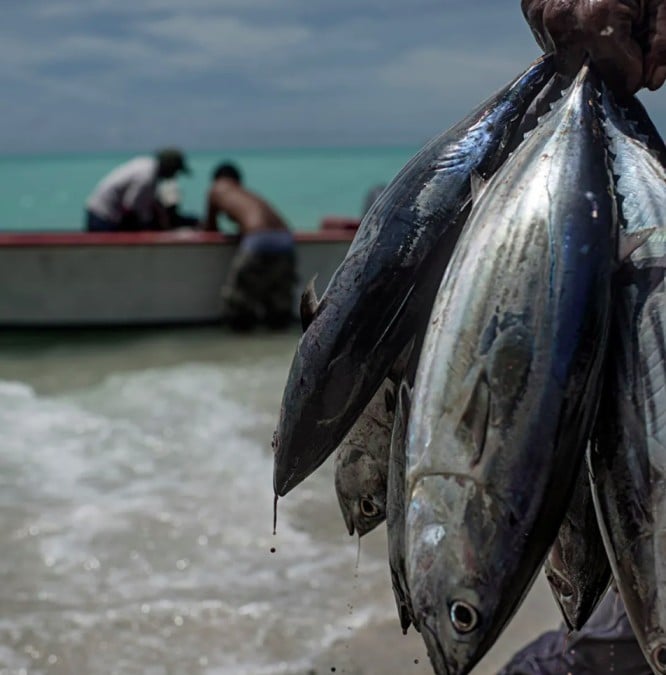
The agreement imposes catch retention stating that all bigeye, skipjack and yellowfin tuna taken by a purse seine vessel shall be retained on board; the parties which Palau is a signatory, bans the deployment or servicing of fish aggregating devices and associated electronics equipment or fishing by purse seine vessels.
The agreement also calls for the closure of high seas areas and monitoring of compliance and that an observer inside the vessels is required.
The second agreement is the Palau arrangement for the management of the Western Pacific Purse Seine fishery. Under this agreement, it sets a cap on the number of licenses allotted to foreign seine fleets.
The third agreement deals on the amendments to the Federated States of Micronesia Arrangement for regional fisheries access.
The FSM arrangement was developed as a mechanism for domestic or locally based purse seine fishing vessels of the eight PNA member countries. The PNA member countries are the Federated States of Micronesia, Kiribati, the Marshall Islands, Nauru, Palau, Papua New Guinea, Solomon Islands and Tuvalu.
The agreements were contained in separate joint resolutions. The resolutions are then sent to the House of Delegates for action.
The national government is pushing for domestic fishing ventures to obtain the maximum benefits from the fish stocks- an industry mainly controlled by foreign companies.
A piece of legislation is being drafted to develop local tuna industry.
Palau is among the eight nations responsible for at least 25 percent of the world’s tuna catch, but domestic income for Palau annually is estimated to be less than a million dollars.
