






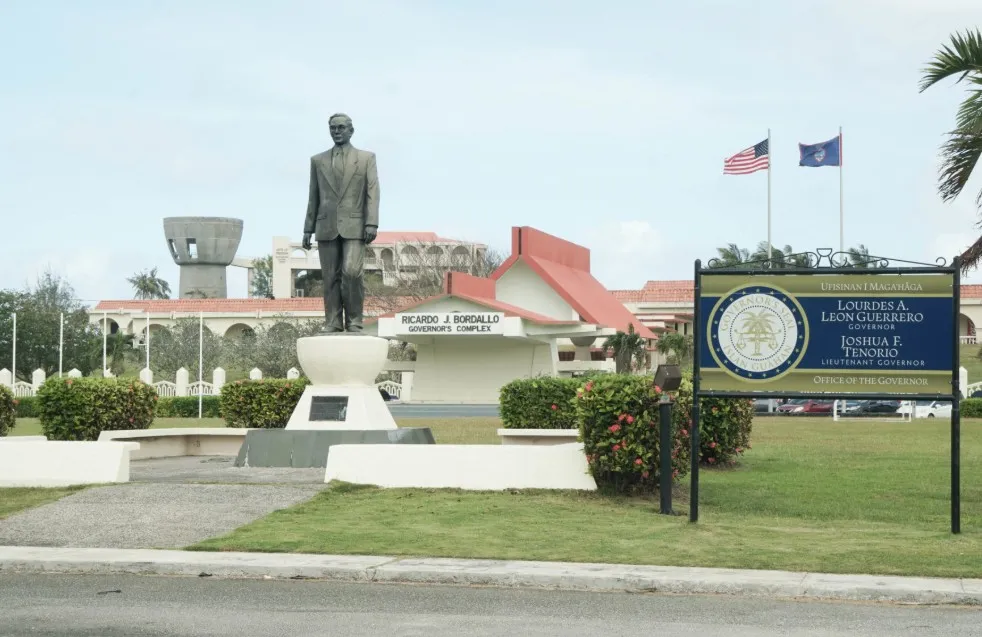
HAGÅTÑA (Office of the Guam Governor) — The Department of Administration has released unaudited General Fund financial results for fiscal year 2024, showing that the Government of Guam continued to live within its means, strengthen reserves, and solidify the island’s long-term financial stability.
To put these results in everyday terms: Guam finished the year the way a responsible household hopes to — paying its bills, setting aside savings, and improving its credit standing.
During FY 2024, the General Fund — the government’s main “checkbook”—recorded $1.043 billion in total revenues. Because revenues exceeded expenses, the General Fund ended the year with a net surplus of $102 million.
Just like household finances, that surplus is not all cash sitting in a single account. Portions of it are tied to specific obligations, restricted purposes, or pending obligations.
Where the surplus went
• $38.9 million strengthened the government’s main operating account (Fund 100) — the equivalent of adding money to a household’s primary checking account, resulting in a
• $45.5 million unassigned General Fund balance, meaning it is available as a financial cushion for emergencies or unexpected costs — similar to a family’s emergency fund. However, legislative appropriations have eroded this balance, and the additional expenditure that these appropriations represent will be reported in the current fiscal year.
• $67.4 million relates to accounting adjustments within the Guam Department of Education, largely tied to the timing of revenues and expenses. This does not represent unrestricted cash available to spend.
• $3.8 million was recorded as a surplus in the government’s health self-insurance fund, reflecting continued success in managing health care and pharmacy costs — comparable to lowering insurance premiums while maintaining coverage. This is being reported separately in the financial statements as a proprietary fund.
Why this matters
These results show that Guam continues to practice responsible financial management, building on reforms implemented over the past six years. Strong reserves and disciplined budgeting help:
• Protect essential services
• Reduce financial risk during emergencies
• Improve creditworthiness and lower borrowing costs
• Position Guam to invest in major infrastructure projects in the future
In household terms, this is the difference between living paycheck-to-paycheck and having the flexibility to repair the roof, replace a car, or plan for the future without taking on high-interest debt.
Looking ahead
The audited financial statements are currently being finalized and will be released by the Office of Public Accountability upon completion. The Department of Administration remains committed to transparency, fiscal discipline, and protecting the long-term financial health of Guam.
