







By Giff Johnson
For Variety
MAJURO — The death earlier this month of a 26-year veteran of the U.S. Army from the Micronesian island of Kosrae, who was an ardent advocate for healthcare benefits for island veterans, highlights the ongoing lack of promised U.S. healthcare support for those who served in the U.S. armed forces.
Kosraen Robson Henry, who died earlier this month at age 66 in Kosrae, spent nearly half his life in the U.S. military and was part of the initial invasion of Iraq in 2003.
A huge issue for Marshallese, Micronesian and Palauan members of the U.S. armed forces is that once they get out of the military and return home, there are no Veterans Administration health services available to them as there are in the U.S. and other international locations for American veterans. To access medical care, island veterans mU.S.t fly at their own expense to Honolulu, Guam or the U.S. mainland where VA hospitals are located.
Despite the U.S. Congress in the past several years adopting increasingly explicit legislation directing the U.S. Veterans Administration to initiate systems for providing care to the hundreds of veterans of these three U.S.-affiliated island nations, services have yet to materialize.
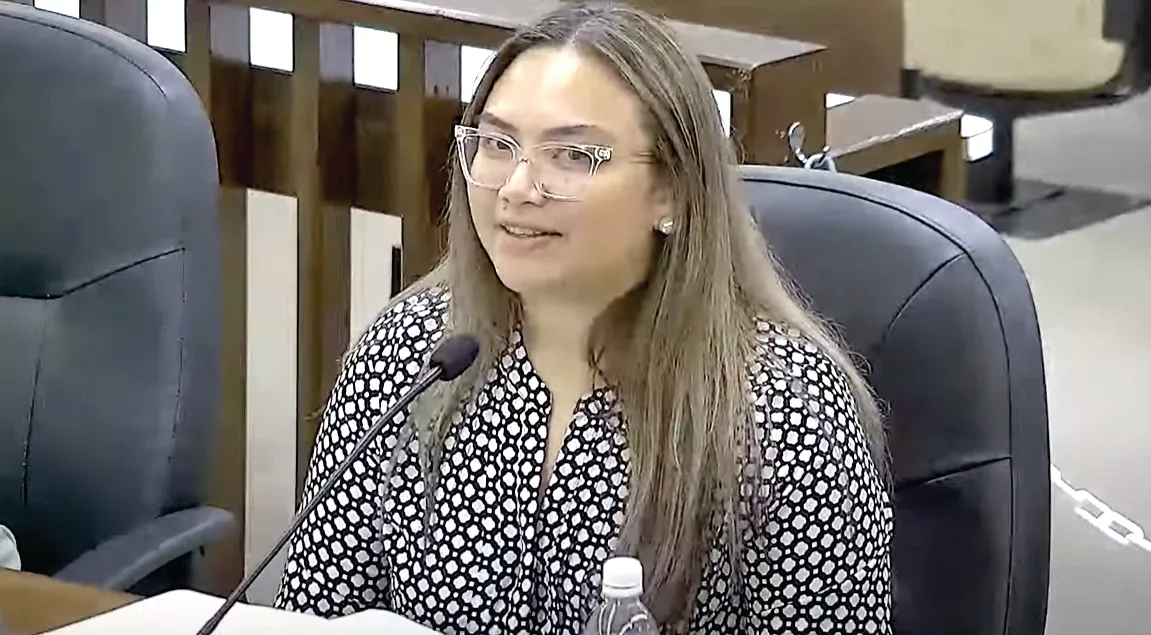
The Compact of Free Association that became part of U.S. law in 2024 “included provisions to have this healthcare available in our islands — as this Congress emphasized in November’s Continuing Resolution and December’s National Defense Authorization Act,” Marshall Islands Ambassador to the U.S. Charles Paul told a U.S. House Committee on Veterans’ Affairs, Subcommittee on Health hearing in January.
But, he said, the Department of Veterans Affairs, has not acted to make the healthcare available.
“Robson has been actively advocating to extend veteran benefits to COFA (Compact of Free Association) citizens since at least 2008-09, when I first met him,” said filmmaker Nathan Fitch, who directed the award-winning film Island Soldier that tracked the lives of Kosraeans in the U.S. Army — from Middle East war zones to their isolated and tranquil island home in the North Pacific.
Fitch said the Kosraean veteran had been active for the longest time advocating for services for veterans.
“Any progress on benefits for COFA veterans has to be part of Robson’s legacy,” said Fitch.
Still, despite ongoing advocacy by veterans like Henry and Marshall Islands Foreign Minister Kalani Kaneko, a 20-year veteran of the U.S. Army, services mandated by U.S. congressional legislation remain in limbo.
Henry was also one of the first Micronesians to join the U.S. Army when he entered in October 13, 1987 — just a year after implementation of the first Compact of Free Association that allowed citizens of the three freely associated states to join the U.S. military.
Henry stayed in the Army until Oct. 2013, a total of 26 years, through which he was posted to locations around the world and saw tours of duty in various Middle East battle zones. His story is not atypical, as many islanders who join the U.S. military remain in the U.S. armed forces for decades.
The U.S. military “enlists our citizens at rates that are higher than the enlistment of U.S. citizens in most U.S. States,” noted Ambassador Paul in his testimony at the hearing in Washington, DC.
Paul told the House Veterans Committee members that healthcare for returning military veterans “was a major issue in the renegotiation of our free association, which culminated in the enactment of the Compact of Free Association Amendments Act of 2024. The law was intended to resolve the issue.”
But, he said, the Veterans Administration “has acted contrary to what we negotiated, and Congress has said is the intent of the law. The Government of the Marshall Islands, therefore, strongly supports the enactment of legislation to ensure that our veterans can receive the care if they return home.”
Meanwhile a small section at the end of the over 3,000-page National Defense Authorization Act passed by the U.S. Congress in December sets out a timetable for action by the Veterans Administration.
The U.S. Defense spending law requires the Secretary of Veterans Affairs to provide the U.S. Congress with updates within 30 days of the passage of the law and monthly thereafter on the implementation of provisions relating to services for military veterans in the freely associated states.
The defense law includes provisions requiring the Secretary of Veterans Affairs to develop plans and costs for providing health services for veterans from the freely associated states. This includes the requirement of:
• Engagement with the three island governments.
• A projected timeline for island veterans to receive hospital care and medical services.
• An estimate of the cost to implement these services.
“For many years, Marshallese and other Freely Associated States veterans have served honorably in the United States Armed Forces, often at higher per capita rates than many States, yet without full and equal access to veterans’ benefits,” Foreign Minister Kalani Kaneko was quoted by the Marshall Islands Journal in its January 9 edition. “Addressing that inequity has always been about fairness, dignity, and recognition of service not politics.”
Kaneko said that while the language of the U.S. legislation passed in December is “encouraging…the most important phase now is implementation.”
He said the Marshall Islands government is ready to “work constructively with U.S. agencies to support that process. This moment represents progress, but it is also a reminder that our partnership works best when commitments made in law are carried through in practice.”
