

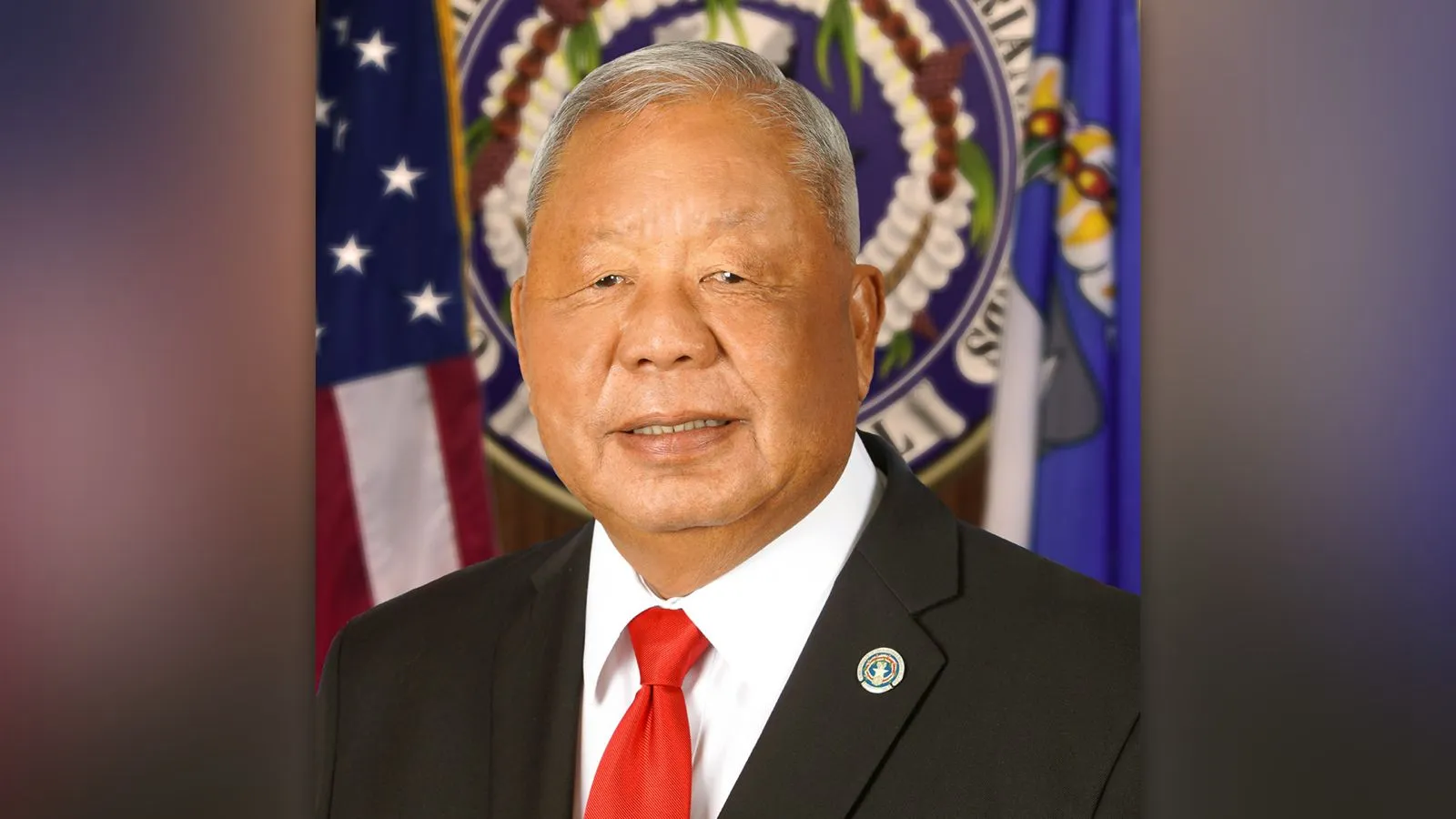


This is now being trumpeted as a “vindication” of sorts for the industry by CNMI officials, the governor among them, who used to work for the island’s biggest garment manufacturers. According to their logic, because attorney Melvyn Weiss is unethical, the allegations against Saipan’s factories cannot be true.
But even before the class action lawsuit was filed, national publications, among them the New York Times, the Washington Post and the Reader’s Digest, were already reporting about the sweatshop conditions of the factories. In 1991, the U.S. Labor Department sued six companies of the governor’s then-employer for paying over 1,000 guest workers less than the $2.15 minimum wage and forcing them to work up to 90 hours a week without overtime pay. OSHA “levied more than $240,000 in fines against these companies the next year for violations, including locking and blocking fire doors and other unsanitary and hazardous conditions in the factories and dormitories such as lack of ventilation, filthy toilets and overcrowding. Though regulations required 100 square feet of living space per worker, inspectors found six people sharing a 190-square-foot room.”
The governor’s former employer eventually settled the overtime suit without admitting wrongdoing by agreeing to pay the workers $9 million — still a U.S. Department of Labor record. The companies also settled the health and safety charges by pledging $1.3 million in renovations and paying a $76,000 penalty.
Weiss did not pull out the class action against the factories from a hat. It was, moreover, the garment industry, not the lawsuit against it, that “ruined” the CNMI’s reputation. It was the garment industry, not Weiss, that blocked the gradual minimum wage hike for the people of the CNMI. It was the industry and its cronies in the government, not Weiss, that brought in Jack Abramoff and paid him over $10 million of CNMI taxpayers’ money. It was the industry, not Weiss, that messed up the island’s environment, damaged its infrastructure and required the further enlargement of a government bureaucracy so it could better serve the needs of the factories. It was the industry, not Weiss, that cannot compete with manufacturers in the Third World. And it was the sordid consequences of hosting this industry — not Weiss — that set in motion the chain of events that led to the federalization of local immigration.
Not a lot of people in the CNMI have long memories, but they’re certainly not stupid.
THERE has been a break in the impasse over fees charged by American Memorial Park for the Flame Tree Arts Festival which should mean that, next year, there is a distinct possibility that both the Taste of the Marianas and the festival can be held simultaneously.
Building on the features of these combined events — art, crafts, food, music and entertainment — within the magnificent park grounds, they can, over time, become a great festival. If organizers can stick with this location and concern themselves with improving the attractions offered to the public, the combined events can translate into a popular fiesta-like celebration. Even now, and after only a handful of years, one can see the booths at Taste of the Marianas offering a wider variety of food, and increasingly appealing seating areas. It is getting better.
HIGH school graduates are gearing up for the next phase of their education, either looking to college abroad or continuing their education opportunities at NMC. For those seeking employment, jobs are scarce. But this is changing. People who would have previously shunned manual labor are now opting for entry-level positions as cashiers, stockpersons, waiters and gas station attendants. Government jobs, to be sure, are the most sought-after positions but there aren’t any to be had — unless you’re really well-connected.
Employment and labor remain the most confounding issues in the commonwealth, and it will take many, many years to resolve the current problems. But in the meantime, CNMI leaders, businesses, families, educators and others should emphasize the importance and value of work — real work, which is the foundation of a real economy and a stable community.
Keep the kids active
SUMMER has begun for many kids and there is a fairly good mix of private and public programs available to keep them happily and productively occupied in the next few months. For the older teens, part-time jobs are a good option. For the younger ones, private instruction is available for music, art, swimming, dance, and other hobbies. Organized sports is always a good way to keep the kids healthy and active not only over the summer months but throughout the year. It also provides a framework for children to work cooperatively.
The public library is still an exciting and completely free entertainment and education center. For their part, some of the public and private schools are setting up limited activities as are some of the community centers. The Boy Scouts and Girl Scouts of America have units and are always on the lookout for new contributing and active members. And thanks to the changes made by Wallace Theatres, movies will still be available on the big screen even if the number of films showing has been cut back. Families still have this option. Not bad for an island in crisis.
