




Outrage is easy — recovery is not
WHILE we stew in our frustration and disappointment over the government’s “slow” or “inadequate” response to Sinlaku’s devastation, as well as the perceived “lack of preparedness,” it may help ease our irritation if we recall the aftermath of two other super typhoons that beat the living daylights out of Saipan in the past decade.
In the case of Soudelor, which made landfall in Aug. 2015, it took nearly four months to fully restore power on Saipan. The typhoon, which destroyed over 400 poles, knocked out power and water to all residents. Restoration was carried out in stages, with priority given to the hospital, airport, and other critical infrastructure. With assistance from the Guam Power Authority and the Federal Emergency Management Agency, CUC replaced hundreds of power poles and damaged equipment. It was a massive recovery effort that involved bringing in materials and supplies from Guam.
How bad was it for the survivors?
At one point, the American Red Cross had to shut down after being overrun by typhoon victims seeking relief assistance. Fights broke out among a crowd of about 2,000 people waiting in long lines for aid.
Yutu, which plowed through the island in Oct. 2018, was even more catastrophic, causing extensive destruction and requiring the replacement of nearly 1,000 power poles. Power restoration again prioritized critical infrastructure — hospitals, airports, and shelters — before reaching residential areas. It was a gradual, months-long process, reaching 50% capacity by early Dec. 2018 and over 82% by mid-Jan. 2019. Because Saipan’s water system relied on electricity, prolonged outages led to significant water shortages, with repairs continuing more than a month after Yutu.
Compared to Sinlaku, which downed about 662 power poles, Yutu was stronger at the moment of impact. However, Sinlaku was more intense at its absolute peak. After stalling just 30 miles off the coast, it pummeled Saipan with typhoon-force winds for over 30 hours, weakening structures that might have survived a faster-moving storm like Yutu. Its slow movement also brought far more relentless rainfall. There was severe flooding — even in the hospital — and entire neighborhoods were left “unrecognizable” by the combined assault of wind and water.
We also have to remember that Sinlaku struck an island community still recovering economically from the Covid-19 pandemic and previous storms, and whose power and water infrastructure is aging, if not rickety — requiring major and costly improvements, if not complete overhauls.
This is in no way meant to diminish the valid concerns and understandable anguish many feel. But then, as now, there is no shortcut to recovery following a natural disaster like a super typhoon.
In other words
IT should no longer surprise us that recovery will take time. But much-needed assistance from charitable organizations and the federal government — even though most of us do not pay federal taxes — is already here, with more on the way.
As for the need to “prepare adequately,” we’ve had this same discussion in the past every time a typhoon threatened, including those that didn’t make landfall. But there has never been a serious conversation about the immense price tag of such preparations, which include underground power lines and the hardening of the water system with large standby generators that must be maintained regularly and diligently. There is also little discussion of who will pick up the tab — or where the funding will come from.
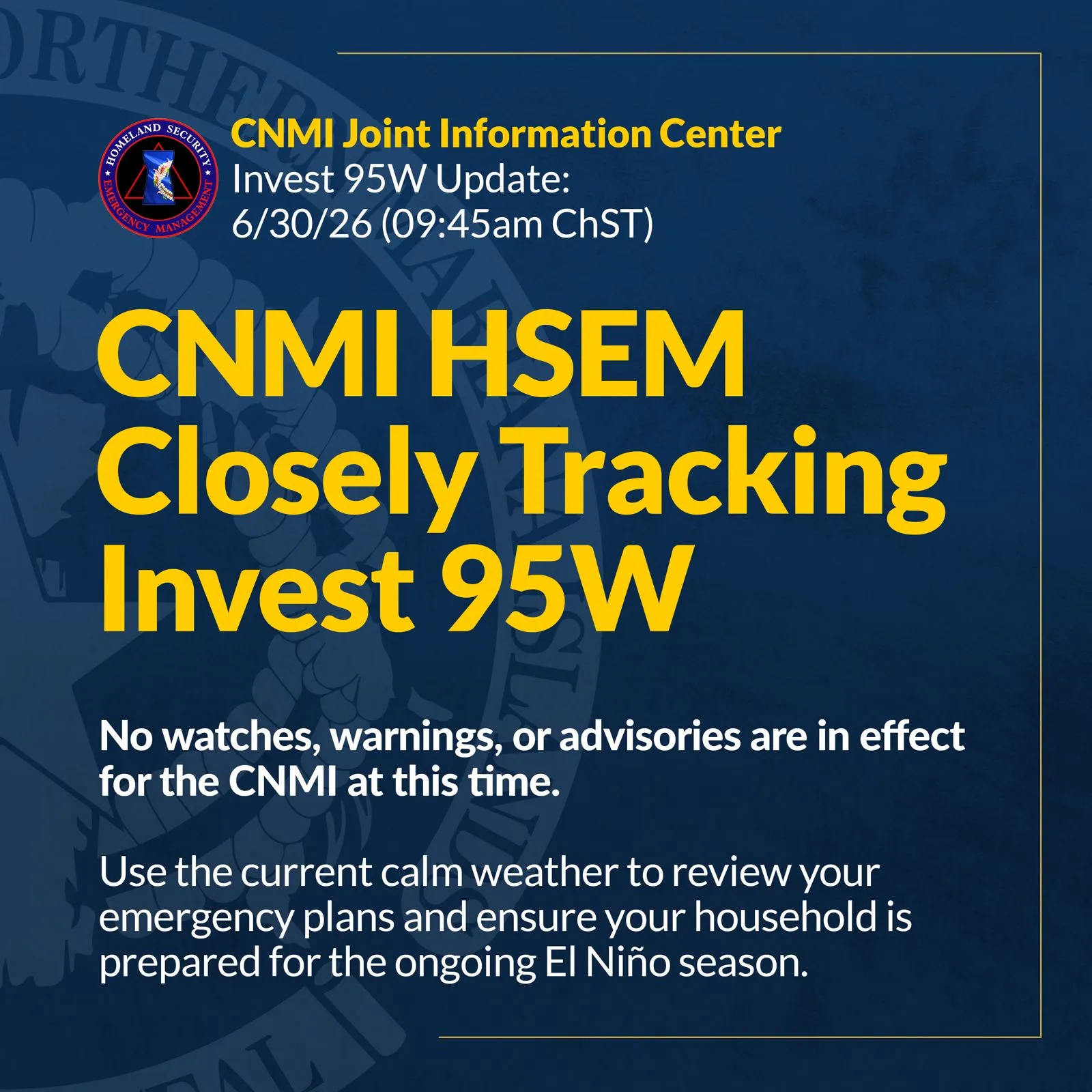
As we ponder these and similar questions, we must also consider what we, as individual households, can do now to better prepare for the next typhoon. We are in typhoon alley, after all — and it’s not even typhoon season yet.
To be sure, we can choose to vent and complain. But we can also do our part now to better protect our homes and property before the next disaster unfolds.
Zaldy Dandan is the recipient of the NMI Society of Professional Journalists’ Best in Editorial Writing Award and the NMI Humanities Award for Outstanding Contributions to Journalism. His four books are available on amazon.com/.
