





During the rainy season, the waters run high. The area is rich with wildlife. Many still remember great flood sometime in the 1970s when it rained like you would need Noah’s Ark. Folks had to use boats to get to the homes in the village. The tilapia were all over the place. You the homes were damaged from the flooding. At that time there were serious health concerns because outside toilets were still common. One of the drawbacks of living near this marshy area were the mosquitoes during the rainy season. Unless you had a box of senko you would be slapping yourself so much you might be doing the Samoan Mosquito Slap dance without even realizing it.
During the hot summer months we’d pass the lazy days trying to beat the heat. The roads weren’t paved and potholes were an adventure. Imagine the Cross-Island Road dust bowl on a daily basis in the village. Wash your car in the morning and you’d get it caked with dust within a few hours. And so you’d hope to see the Mayor’s grader and rollers coming through. The village commissioner seemed to know that when the potholes would cause scrapes to the bottom of our cars that it was time for some help. You’d admire the predictability of this process. After the rollers, you’d expect oil trucks would come around and spray oil on the road. That tar like substance would cut down on the “island snow.” For a while, we wouldn’t have to yell at Ben “Katu” Ada as he passed by in his jeep kicking up the dusk to slow down on his way to the next beach gathering with the boys. It certainly was not environmentally friendly with all that oily substance being poured, but it helped. Then we complained that the oil dirtied our cars and then everyone sped up as they drove by!
In the dry season, we all knew that when you lived near the karisu that you’d try and plant as many banana trees between the karisu and the houses. They held a lot of water and would be a natural buffer in case of fire, plus you’d get some good bananas until the next typhoon. At some point, however, you would hear the crackle and snap of the reeds as they burned. The summer fires were a sight to watch as the fire trucks would try to battle the blaze with their little hoses. The nights were an interesting glow with the fire. The greatest mystery was why the fire hydrant across the road always seemed to have absolutely no water when they needed it the most. Some things never change.
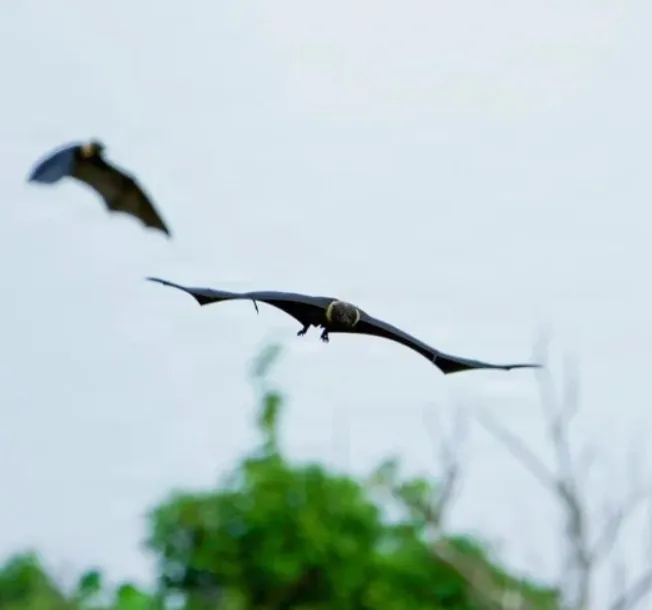
Today you can’t mess with the karisu for it is wetland. Of course, if you were lucky enough to own this karisu you could try and get an exchange or compensation for not being able to use it. But don’t try and clear it because it is likely one of the home areas for the Nightingale Reed Warbler. The bird is “federalized,” not you. You can’t build your home there because that is where the bird’s home is, all 2,000 square meters of it. Unless you wish an invitation into the Horiguchi Building, you are advised to keep clear of the area. Of course you have no problem going there to harvest the sakati for the goats and deer on a daily basis though.
Yet the karisu or wetlands are part of a great ecosystem we have here on the island. The karisu acts as a natural filter to catch the water run-off from the upper highlands. The marshy area breaks down the waste from the farms before it runs out into the lagoon and harms the fish which we eat. If we destroyed our karisu we would have no marshlands for our birds and to filter the water run-off. Do we have a something like karisu in government to filter the waste? Today scientists and experts from DEQ and CRM get paid big bucks to teach us about “non-point source pollution.” I always thought that was what we heard coming down from Capital Hill.
For the karisu, what appears to be useless is a system on which we depend. What appears to be a hazard with flooding and fires is a natural process. We don’t know what we have and its importance until we lose it. Sort of like our guest workers. Sort of like guest workers needing employers to work. Joined at the hip. Today the karisu fields are black and brown from the fires and dry season. Soon enough the rain gods will come and the cycle will begin anew.
//
