



THE government of Japan, through its consul to Saipan, Kazuhiko Ono, has expressed disappointment with CNMI House Joint Resolution 22-11, which “condemns” Japan’s decision to release treated water from the Fukushima nuclear power plant that was destroyed in a 2011 earthquake and tsunami.
Ono told the local media on Friday that H.J.R. 22-11 leaves out important scientific information behind Japan’s decision.
It is a misunderstanding that Japan is disposing of “nuclear waste,” he added.
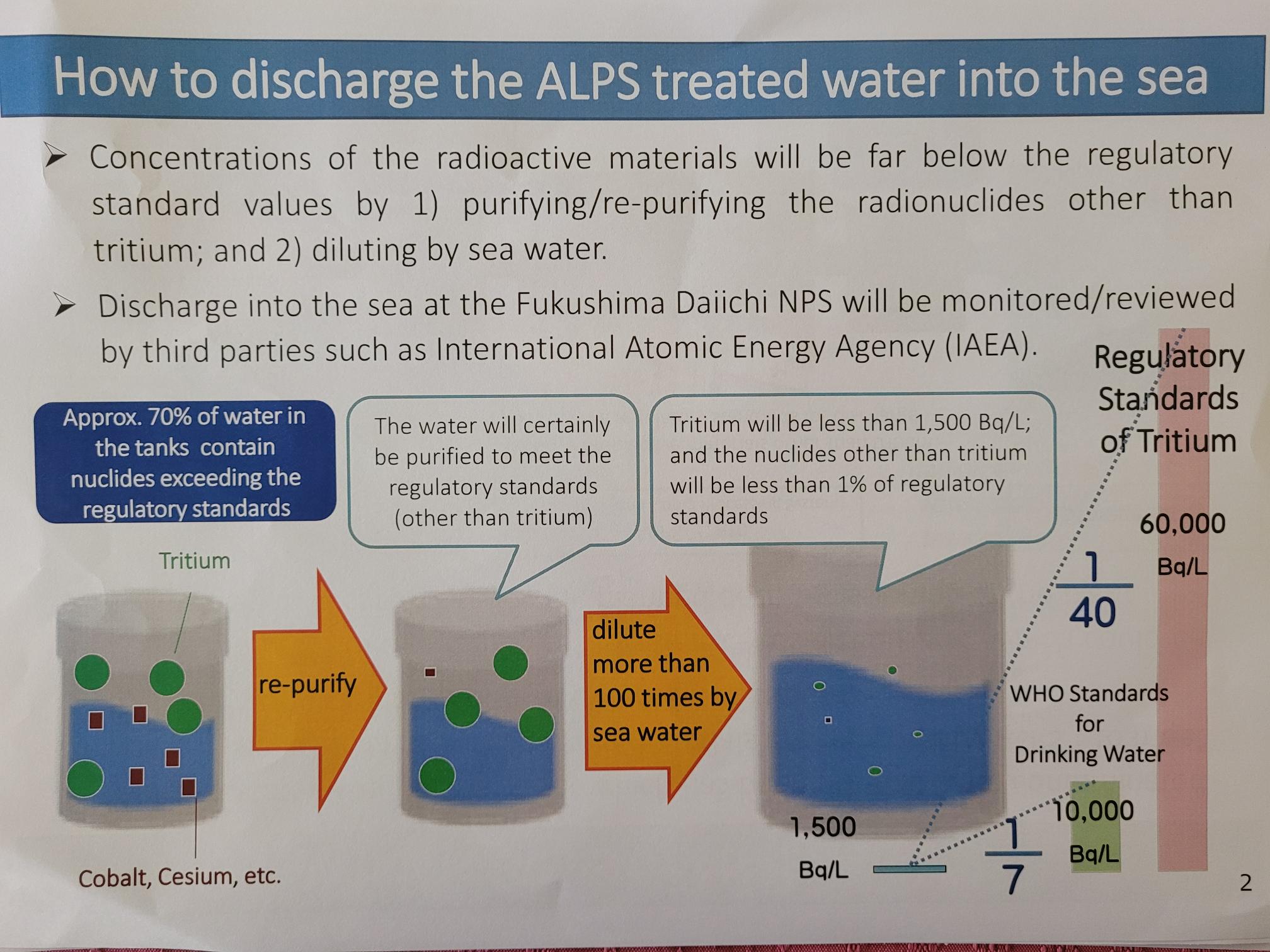
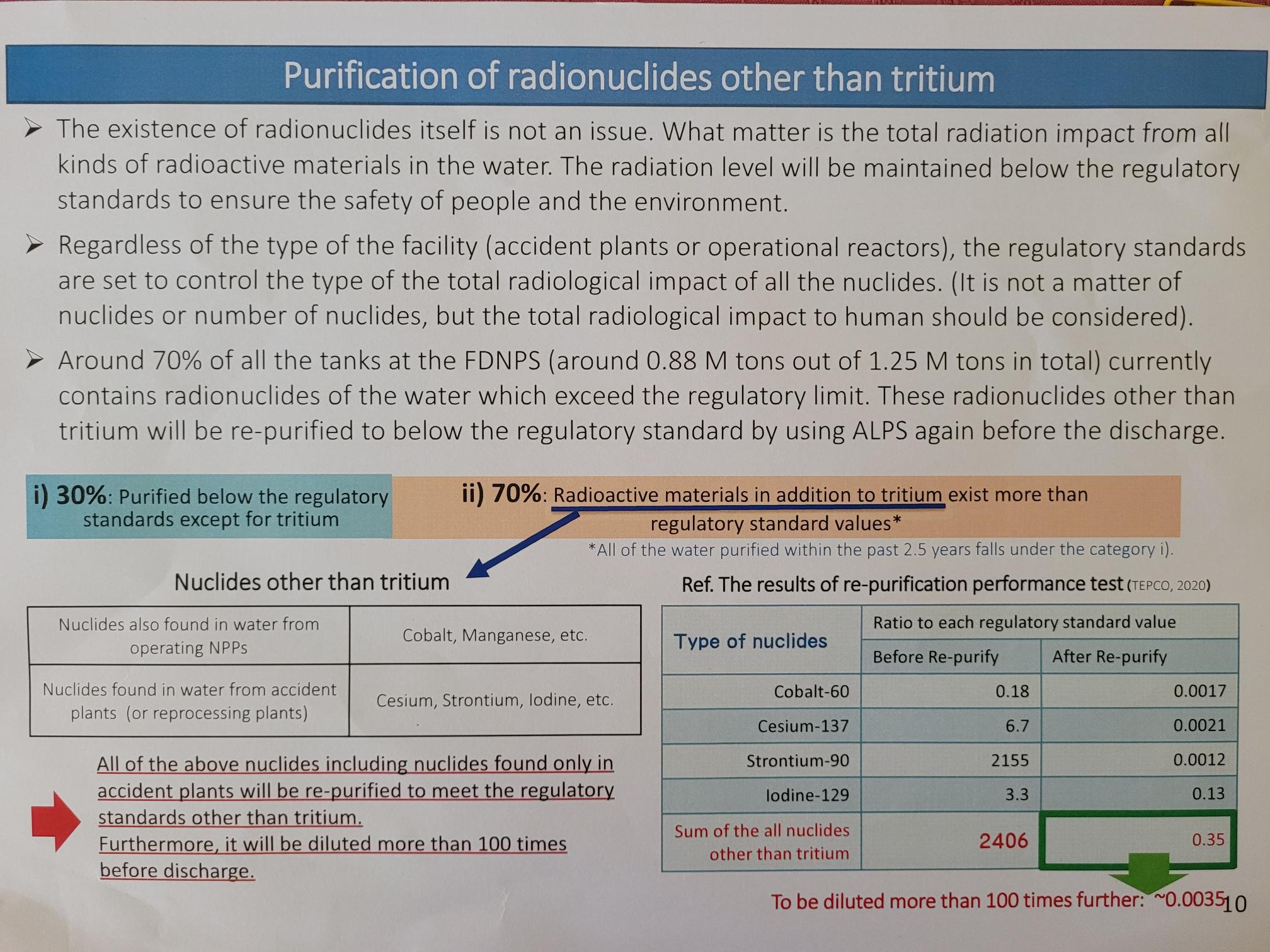
“Japan is not going to discharge any ‘contaminated wastewater’ into the ocean — in fact the contaminated wastewater will be going through an Advanced Liquid Processing System or ALPS to be converted to ALPS-treated water.”
He said ALPS-treated water is the water which has been purified from contaminated water and in which the radioactive materials are removed to meet the regulatory standards.
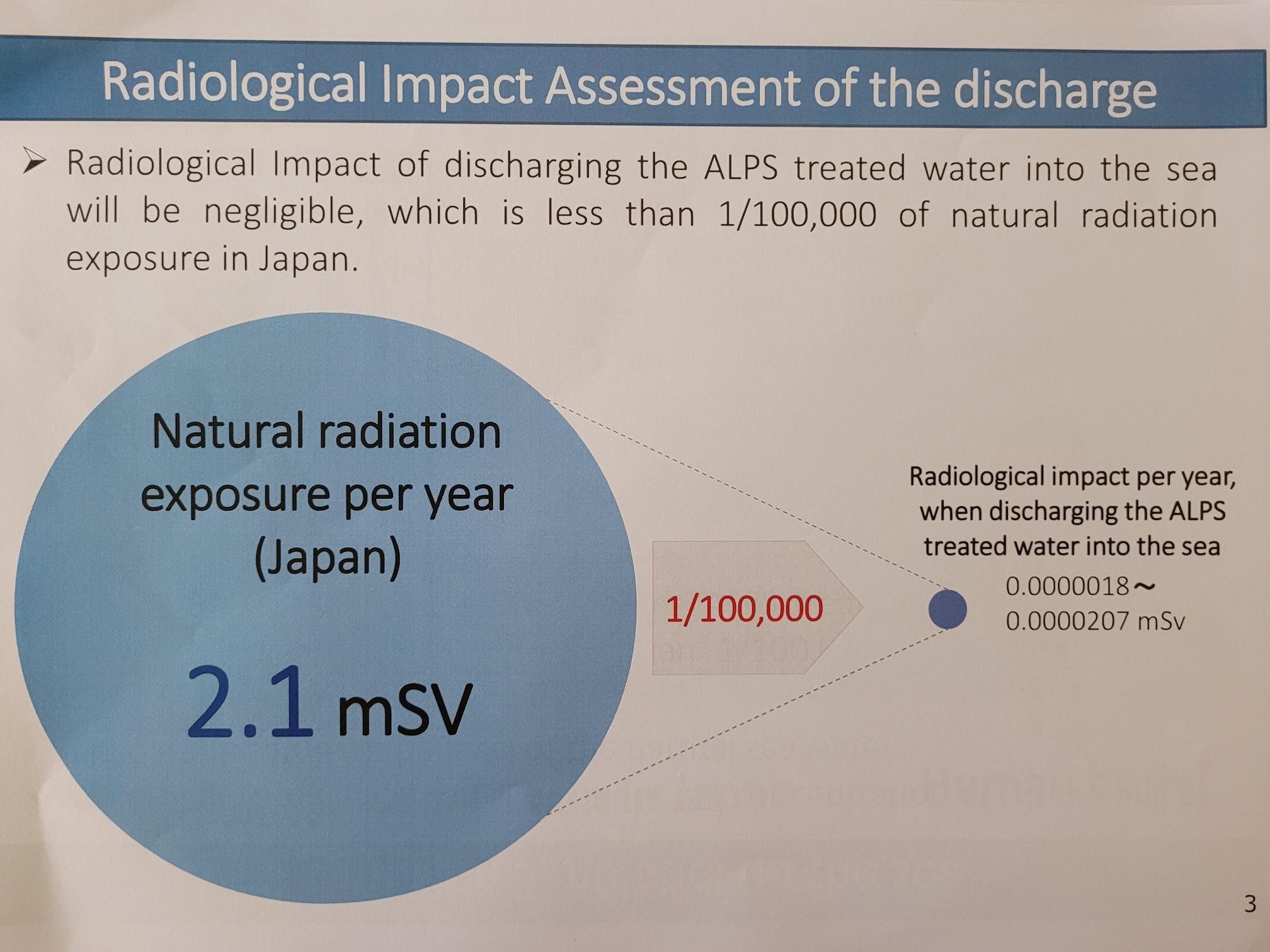
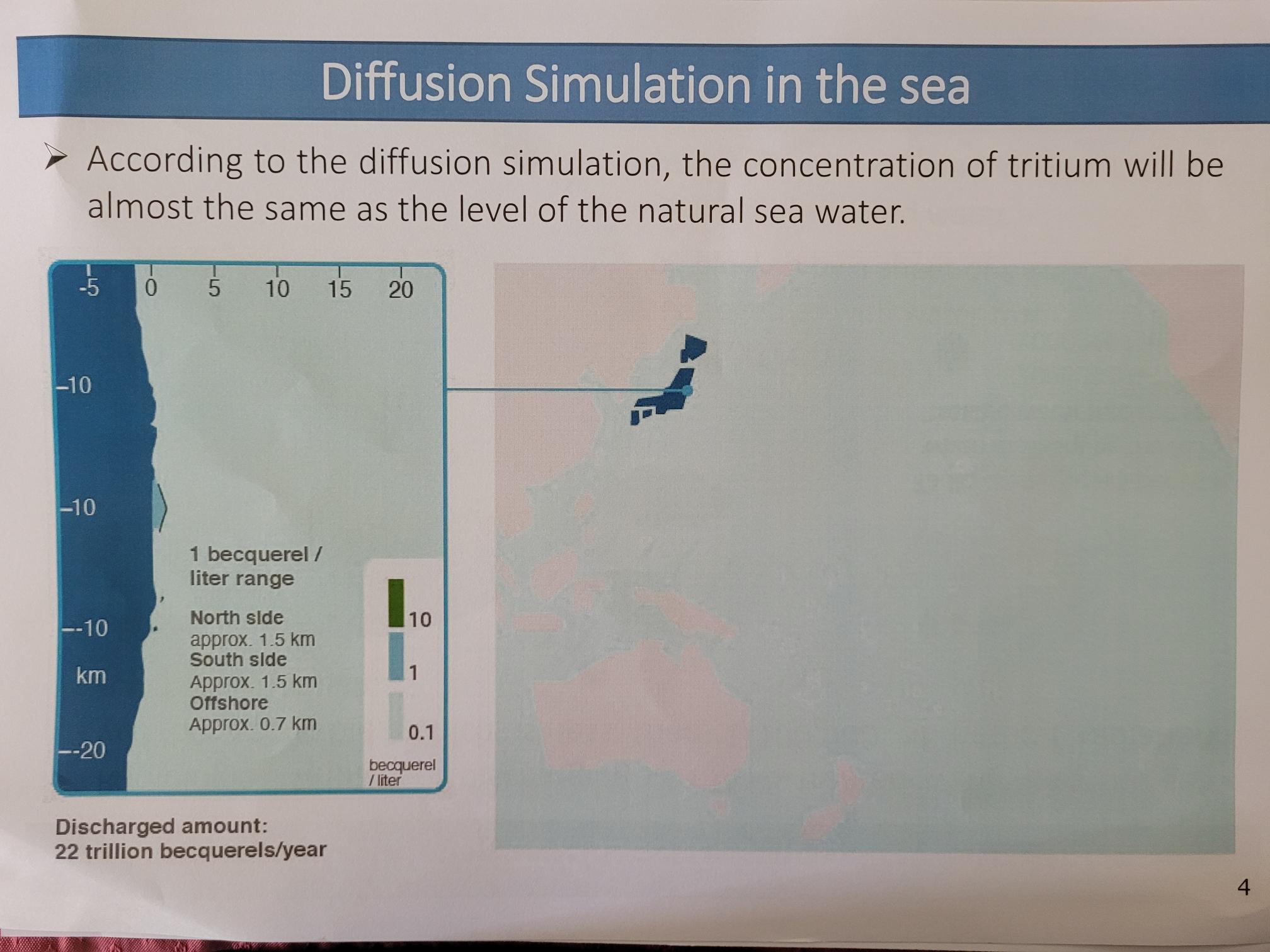
He added that concentration of the radioactive materials will be far below the regulatory standard values by purifying and re-purifying the radionuclides other than tritium, and by diluting by sea water.
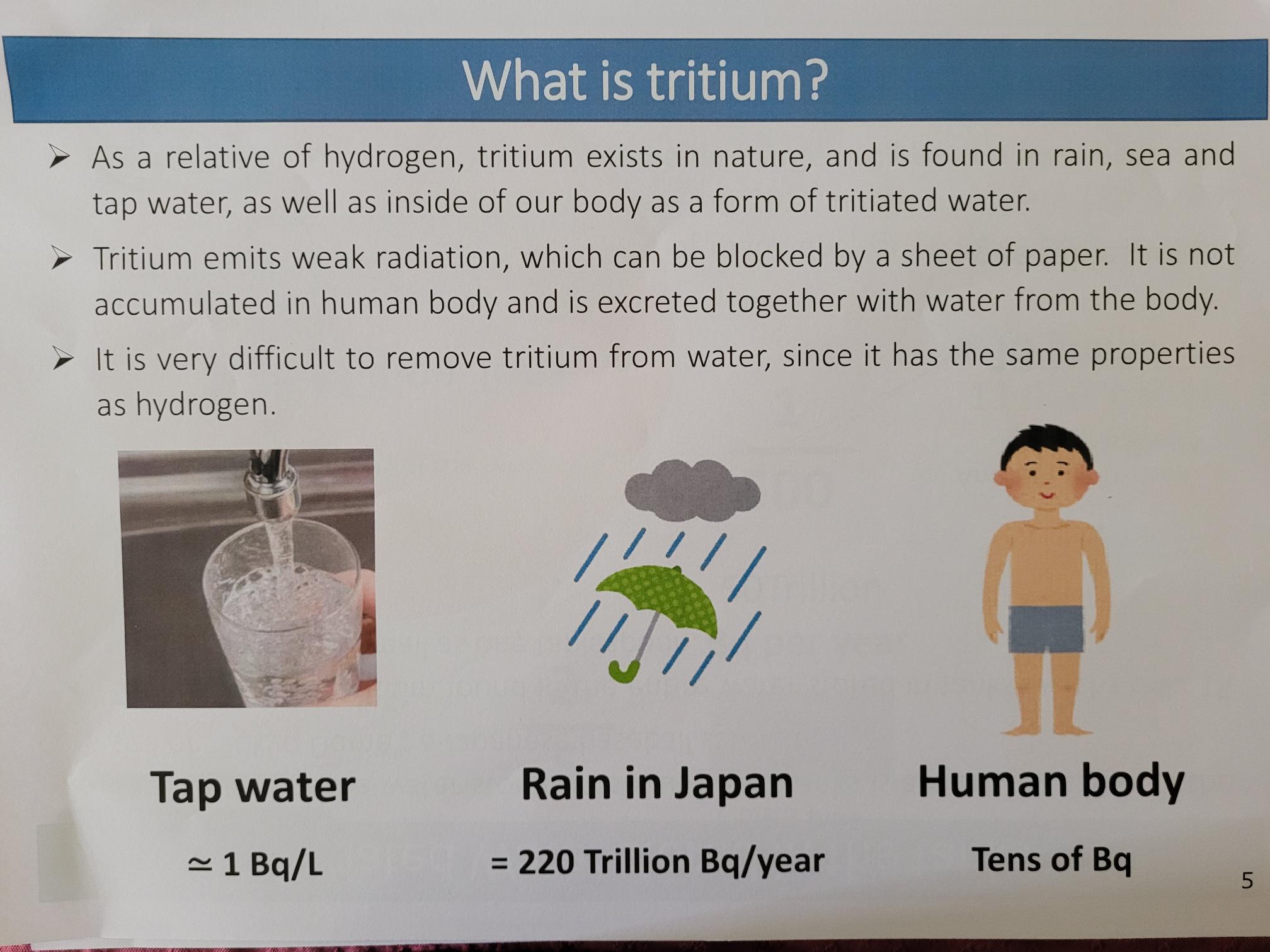
Tritium exists in nature, said Ono, and is found in rain, sea and tap water as well as inside our body in the form of tritiated water.
“It is very difficult to remove tritium from water, since it has the same properties as hydrogen,” Ono added.
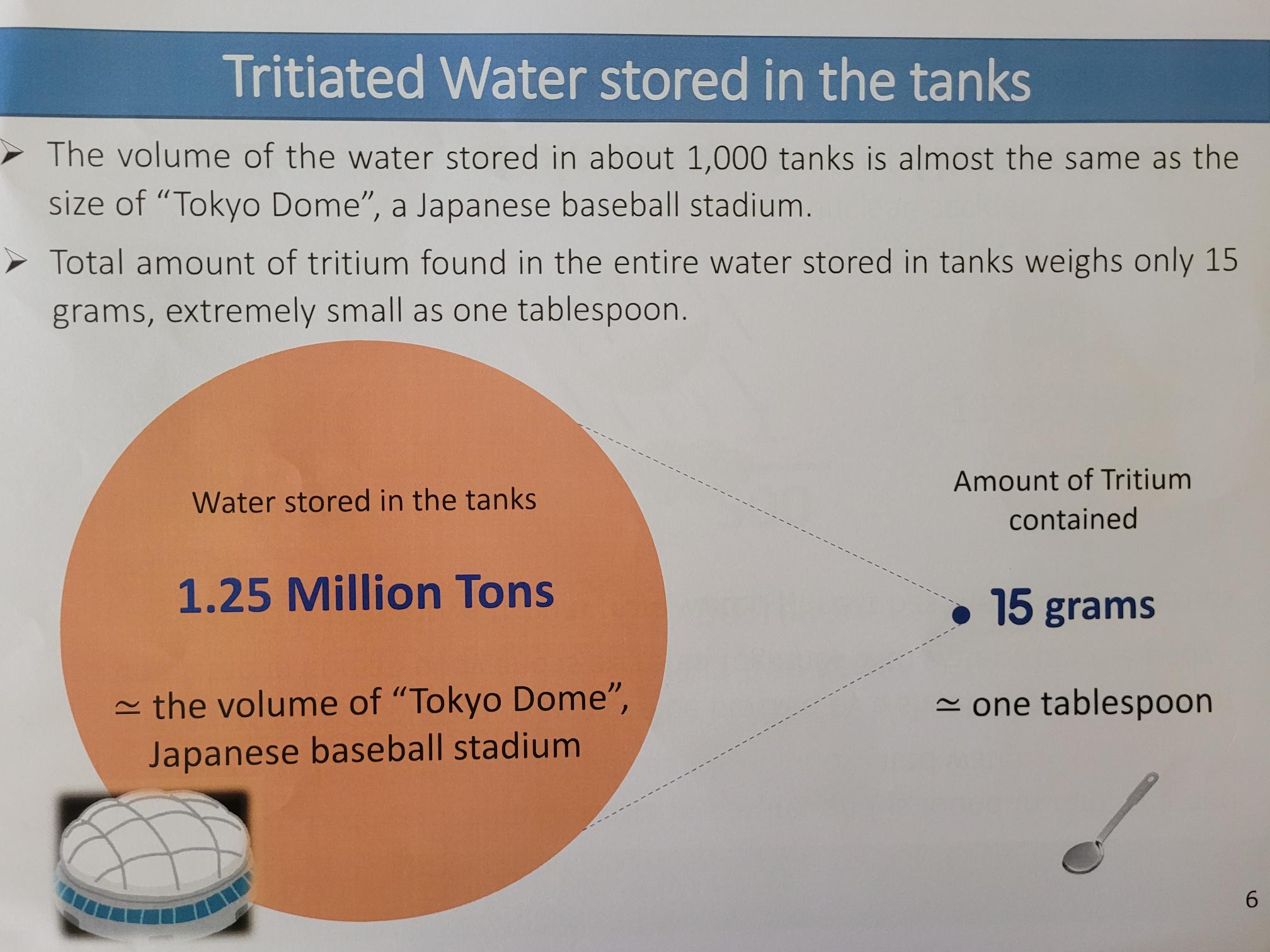
Ono said the treated water that is currently stored is about 1.25 million tons — a volume size equivalent to the size of the Tokyo dome. “But the amount of tritium contained is only 15 grams, which is equivalent to one tablespoon,” he added.
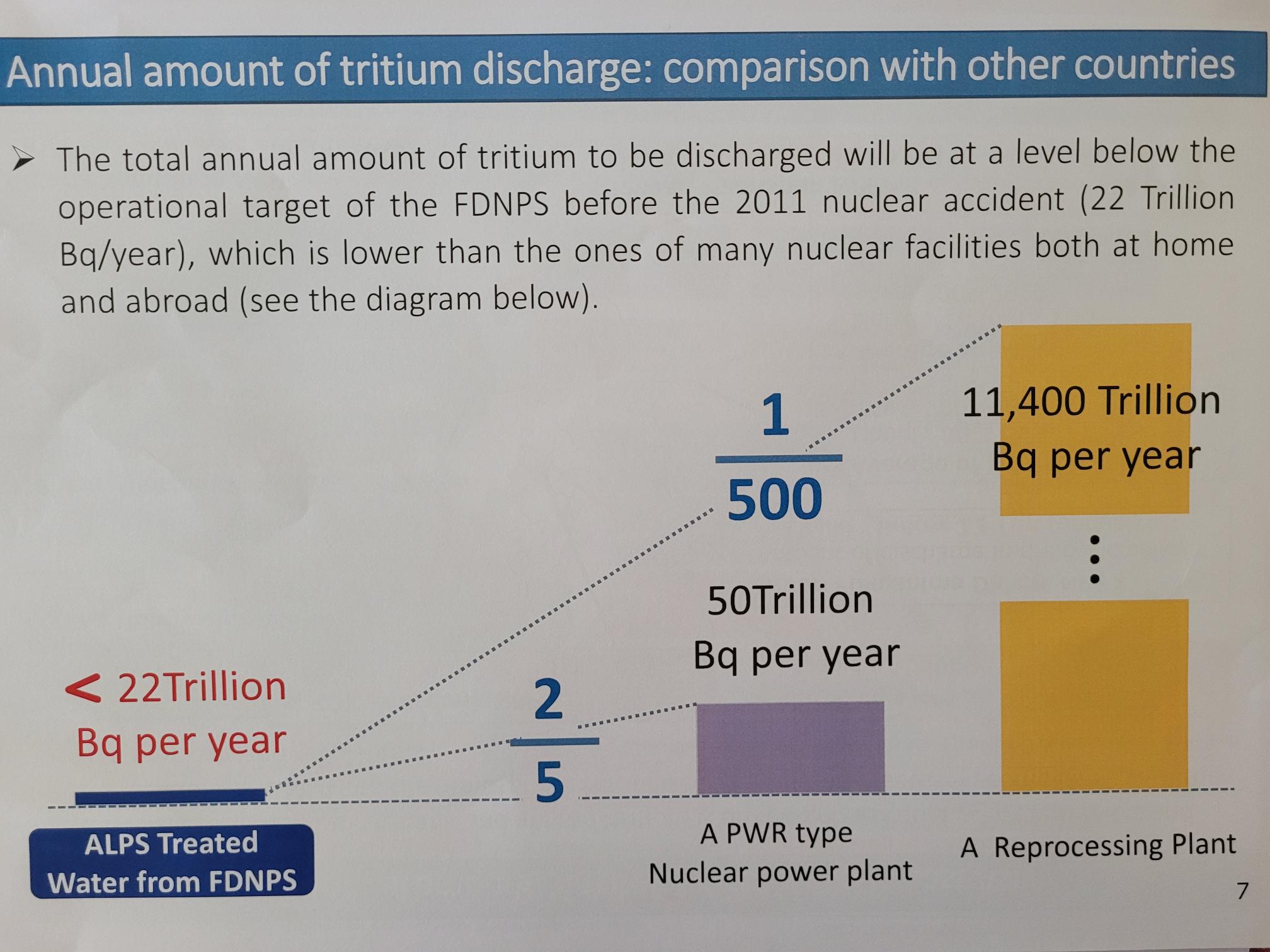
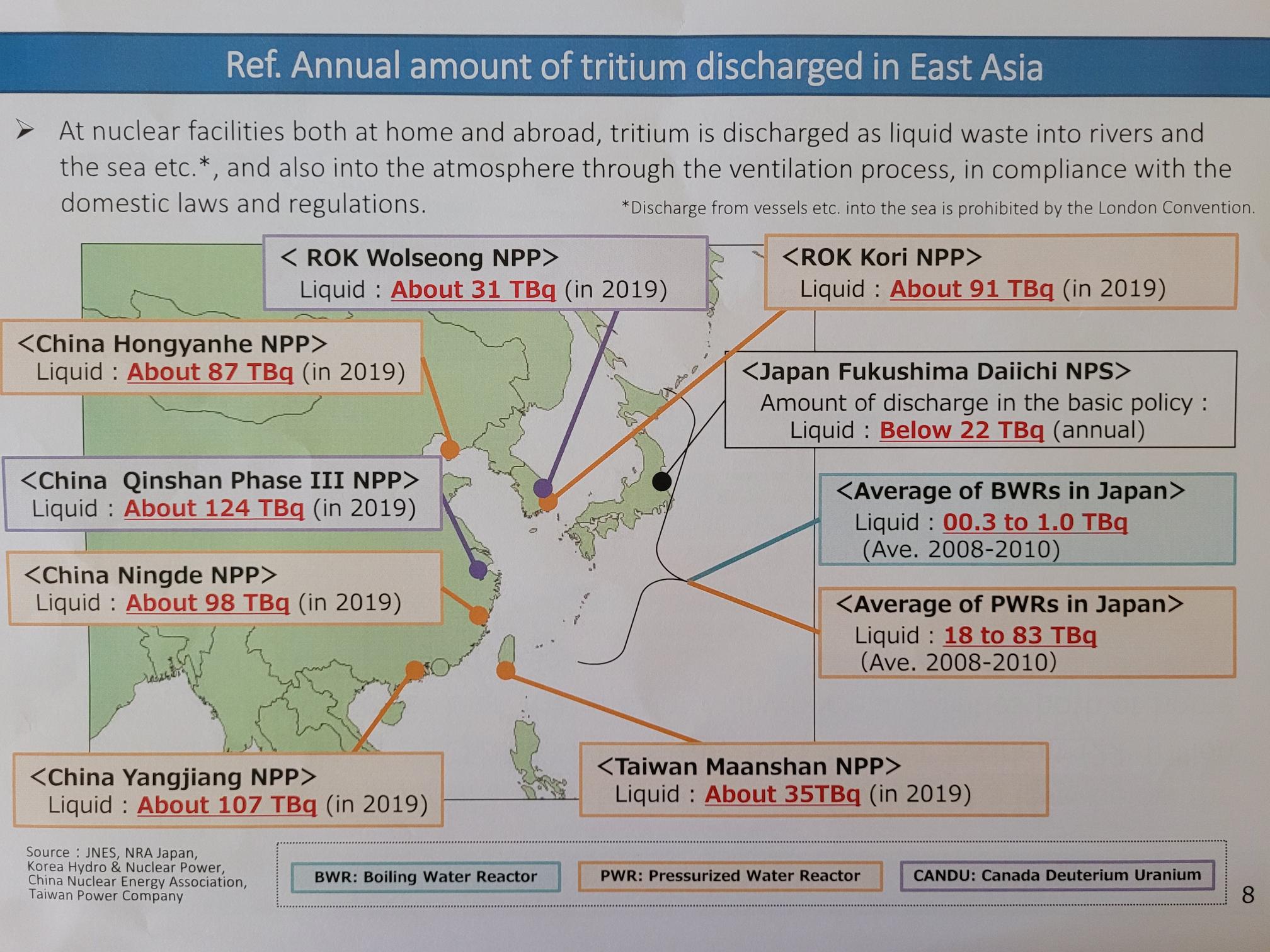
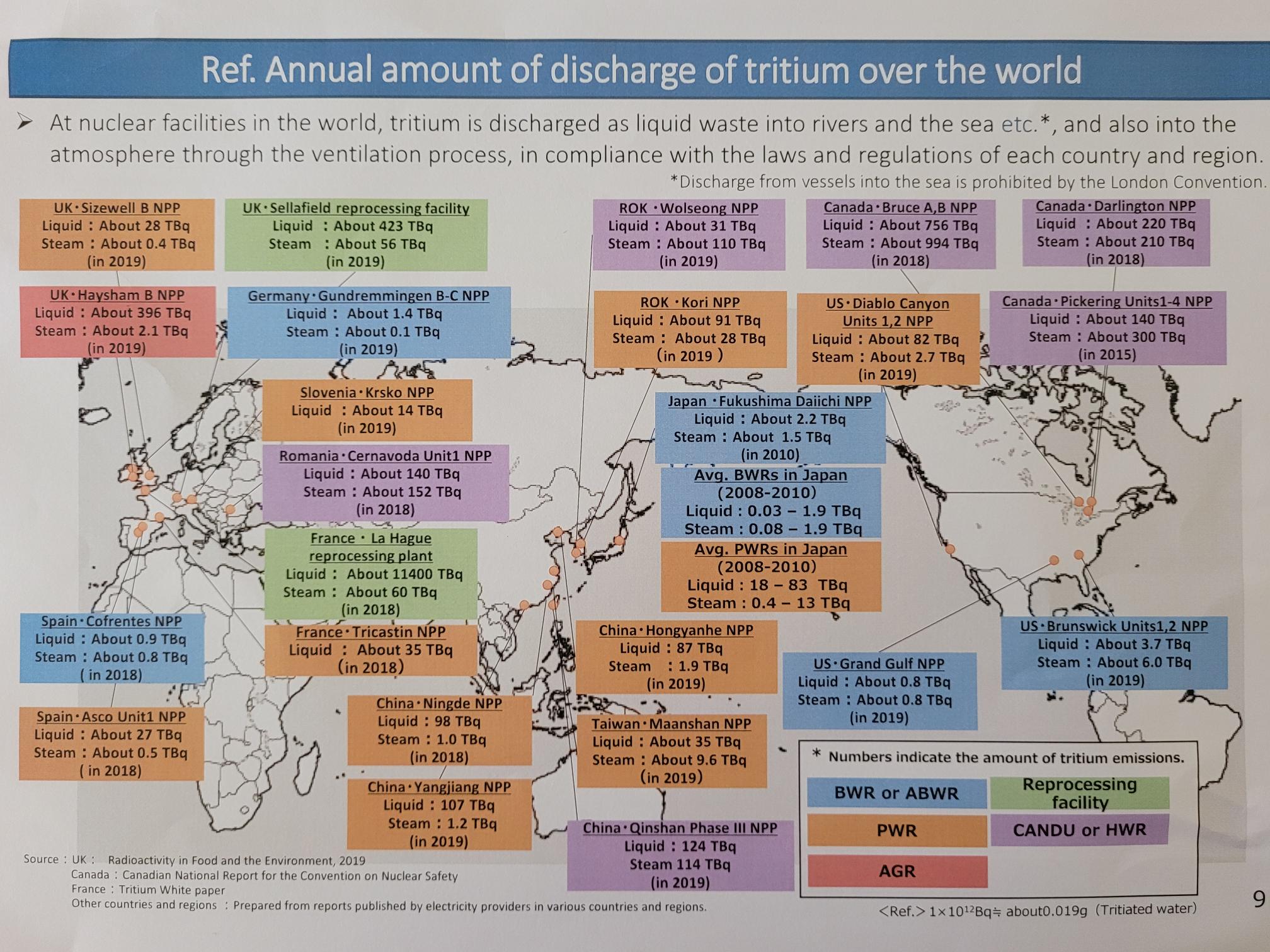
He noted that countries with nuclear facilities discharge tritium liquid to rivers and seas.
“Japan is one of the countries that discharge the lowest amount of tritium. Neighboring countries discharge much more tritium into rivers and seas,” he added.
The U.S. government has expressed support for Japan’s decision to discharge treated water, Ono said.
“But the government of the CNMI, a U.S. territory, condemns it. Why does the CNMI House bring this up now? The decision of the Japanese government to discharge treated water was announced in April…. Also, the scheduled…discharge of the treated water [will happen] a year and a half from now. Why does the CNMI House only target and condemn Japan, which is one of the countries that discharge the least amount of tritium treated water?”
Ono said the International Atomic Energy Agency is also supporting Japan’s plan to gradually release treated water in a safe and transparent way in line with international safety standards to protect people and the environment.
Ono quoted IAEA Director General Rafael Mariano Grossi as saying that “IAEA experts will be able to verify that the water discharge is conducted safely.”
Ono said this is of “paramount importance to reassure the people in Japan and elsewhere in the world, especially in neighboring countries, that the water poses no threat to them.”
H.J.R. 22-11 was introduced by Rep. Sheila J. Babauta and co-sponsored by other House members.

Kazuhiko Ono