

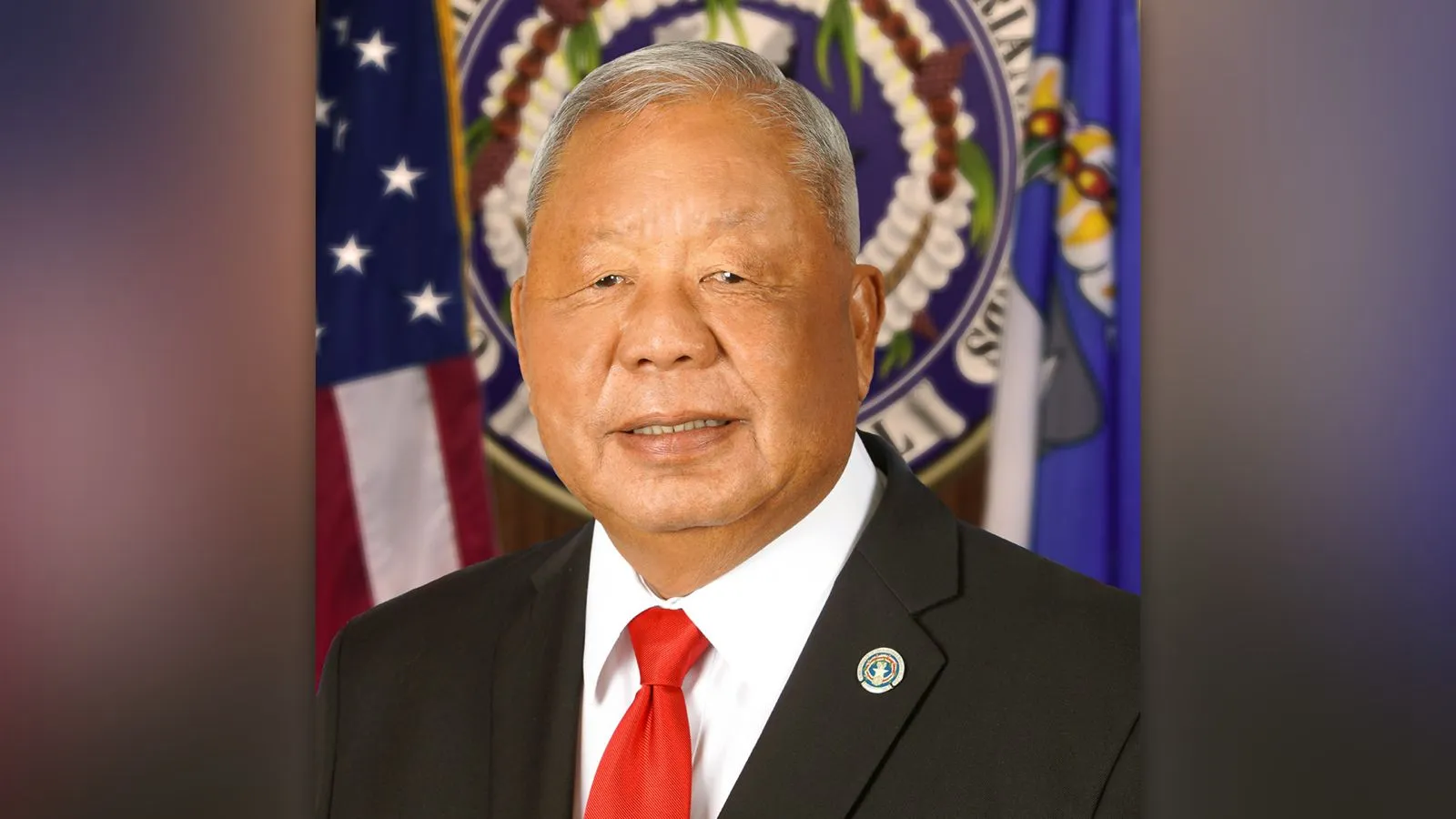


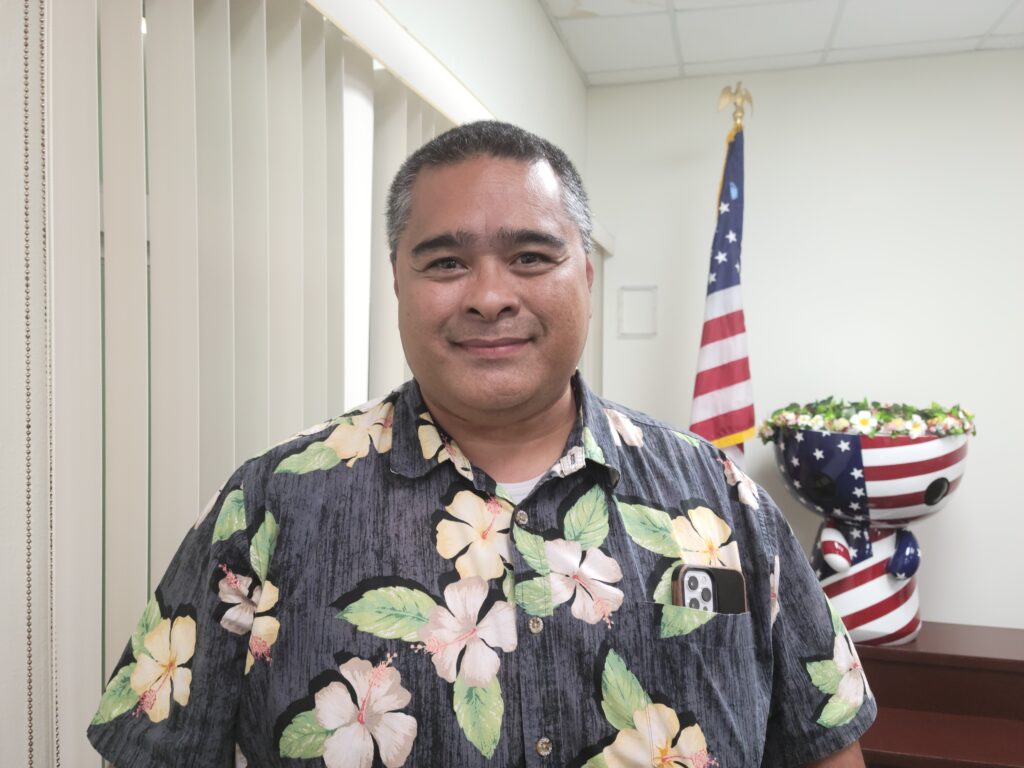
FINANCE Secretary David DLG Atalig doesn’t believe that House Bill 22-25, which would grant a tax amnesty to those affected by natural disasters, would help the CNMI but will end up penalizing non-delinquent taxpayers.
Authored by House Minority Leader Ivan Blanco, the bill allows relief from penalties and interest on unpaid taxes.
In his written comment regarding the bill, the Finance secretary said he understands the current circumstances that create the need for such relief. He also commended the Legislature for its intent to help those affected by disasters.
However, Atalig said the relief may affect the government’s ability to fund essential government services and recover from revenue losses resulting from disaster-related events.
He said in times of natural disasters, the government is forced to spend a vast sum of money in order to save lives and restore its ability to provide basic needs.
Atalig said the series of natural disasters that hit the CNMI has created a large budget deficit. The Commonwealth government’s ability to recover from this unsustainable deficit relies primarily on its ability to collect past due and current taxes, he added.
In order to avoid deficit spending, the Finance secretary said revenue would have to be generated within the fiscal year in which the expenses were incurred.
“At the current rate of collections, it will take years to recoup funds,” Atalig said.
He said, when considering legislation like H.B. 22-25, “It is important to think of the outcomes of a tax amnesty objectively, without consideration of who it may or may not impact.”
He added, “In an objective sense, the creation of tax amnesty in a given year creates precedent for the government’s willingness to intercede in the individual’s obligation to pay for penalties that have occurred due to the delayed payment of taxes.”
Atalig said the data showed that even during natural disasters, many individuals and businesses have made timely payments to the government despite the economic conditions caused by natural disasters.
He said compliance with the law “is crucial toward the CNMI obtaining the resources it needs to adequately support increased costs of responding to disasters.”
Atalig said, “If we were to assess this legislation objectively, an argument can be made that the CNMI government is incentivizing the delay in payments during a natural disaster, and penalizing taxpayers who comply with the law.”
He said providing tax amnesty has noble intentions but when weighed against the significant costs to the government’s limited resources, it does not provide a sustainable solution.
In fairness to the taxpayers who comply with the law, he added, other solutions may be more beneficial and equitable.
Atalig recommended that the Legislature push for programs to support the financial recovery of businesses affected by disasters, either through low-interest financing or other means of assistance.

David DLG Atalig
