




The first subject is administrative law, which is the area of law governing the organization and operation of the executive branch of government.
Administrative law is frequently tested in the CNMI. The bar exam is administered by the CNMI Supreme Court. The exam measures an applicant’s basic competence to practice law.
The outline can be found on Avvo, a popular electronic attorney directory and ranking service. Members with profiles can post legal guides and answer questions posted by consumers.
The guide can be found on the web at http://www.avvo.com/pages/show?category_id=6&permalink=administrative-adjudication-in-the-cnmi.
It can also be found by searching for Farrell’s profile and linking onto the guide from the profile.
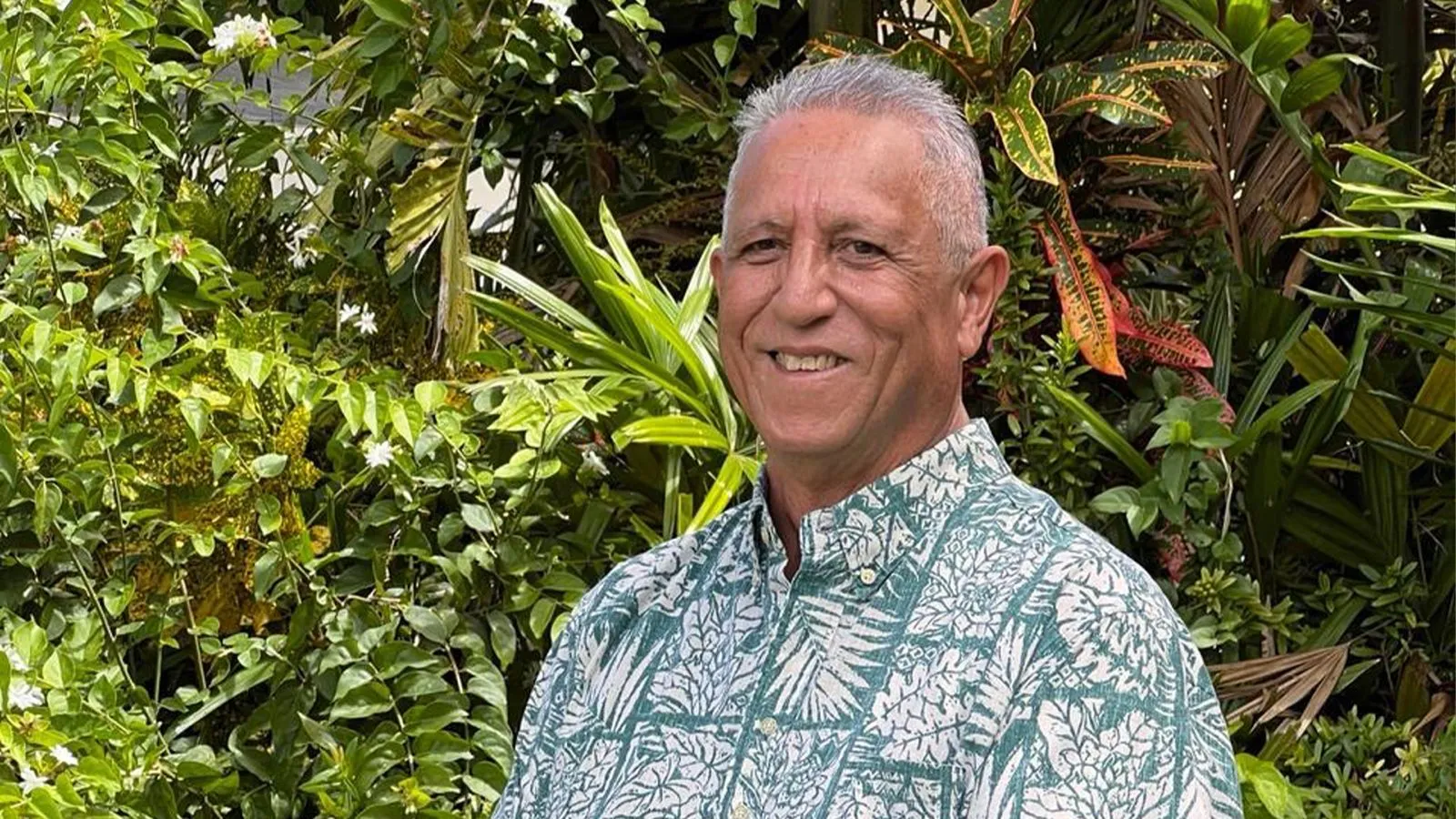
According to Avvo, Farrell is ranked “superb,” with high marks for experience, industry recognition, and professional conduct. He lived on Saipan and Guam for 10 years, originally working for Judge David Wiseman before the judge was appointed to the bench.
Farrell has been called a leader in his field and knowledgeable in the law. He was the first to try a civil case to a jury on the island of Rota and the first to appeal a case from the CNMI Supreme Court directly to the U.S. Supreme Court.
After returning to the mainland, he moved to Washington, D.C. and worked on passing the Cruise Ship Safety Act, the most significant change to maritime law since the sinking of the Titanic. That law was signed by the president last summer.
For the past year he has been living in the windsurfing capital of the world, Hood River, Oregon. Last month he met the state governor for the first time when the governor signed three of his state bills into law.
When not windsurfing in the scenic Columbia River Gorge, Farrell consults with attorneys from around the country on various lobbying and litigation projects.
His next addition to the Avvo website is a digest of the CNMI law. The digest is over 50 pages and covers all areas of law typically reviewed by legal directories such as Martindale Hubbell.
