



By Bryan Manabat
[email protected]
Variety News Staff
THE American Red Cross said citizenship status will not determine eligibility for its upcoming financial assistance program for Super Typhoon Sinlaku survivors as the organization prepares to assist residents whose homes sustained qualifying damage.
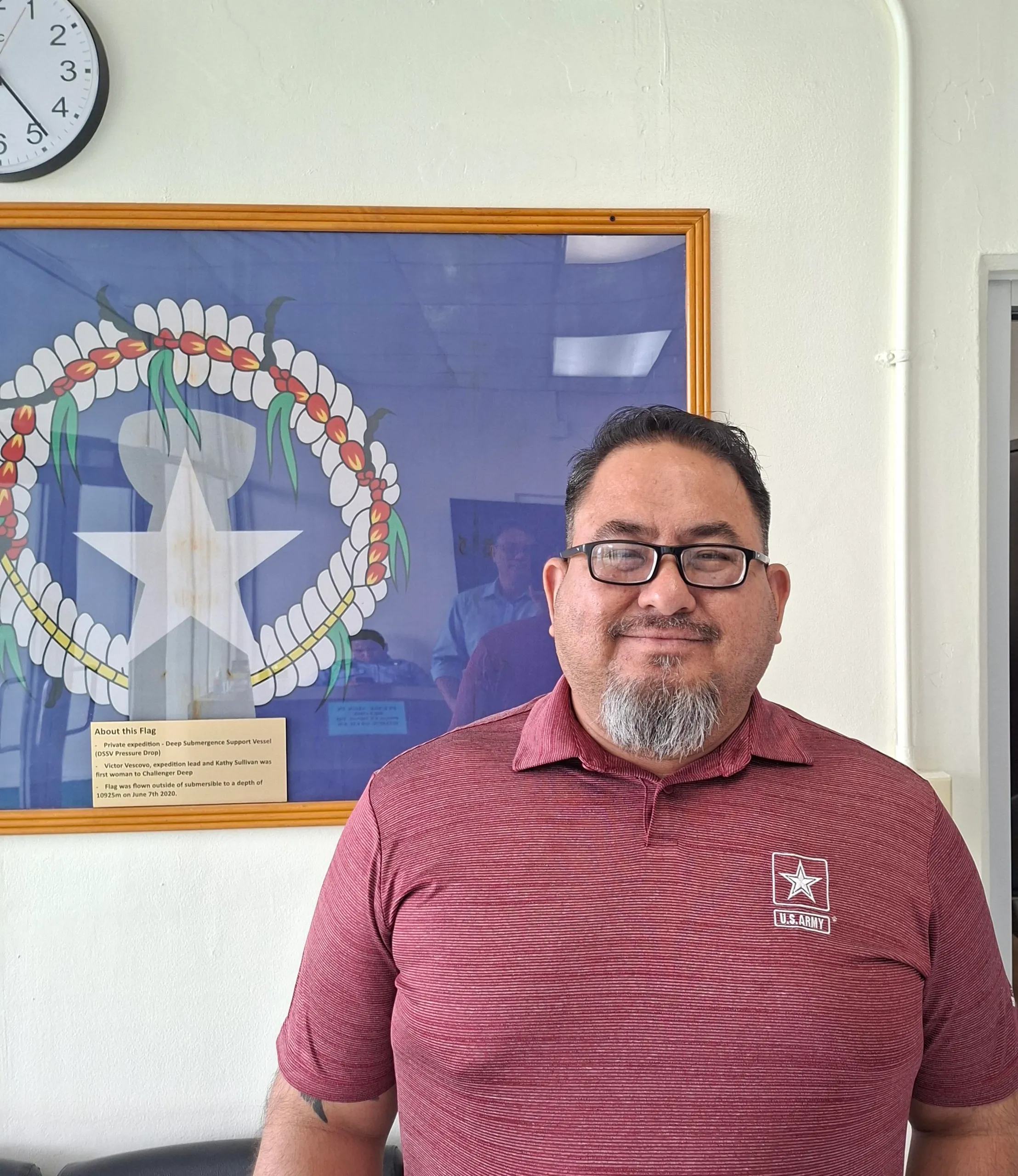
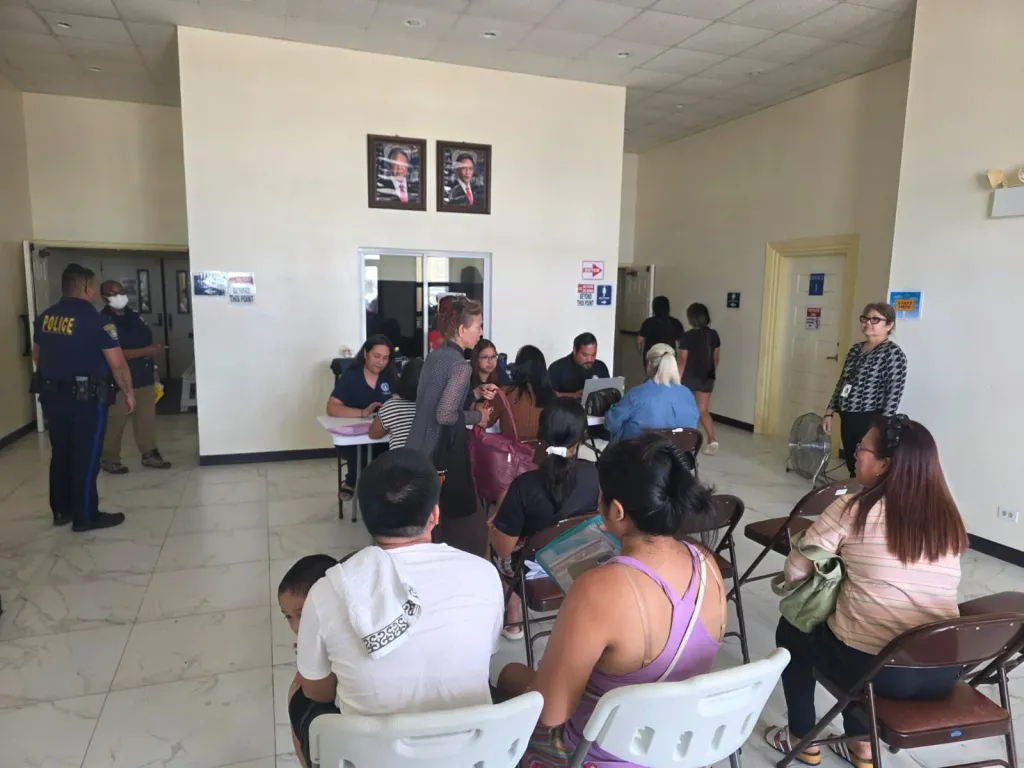
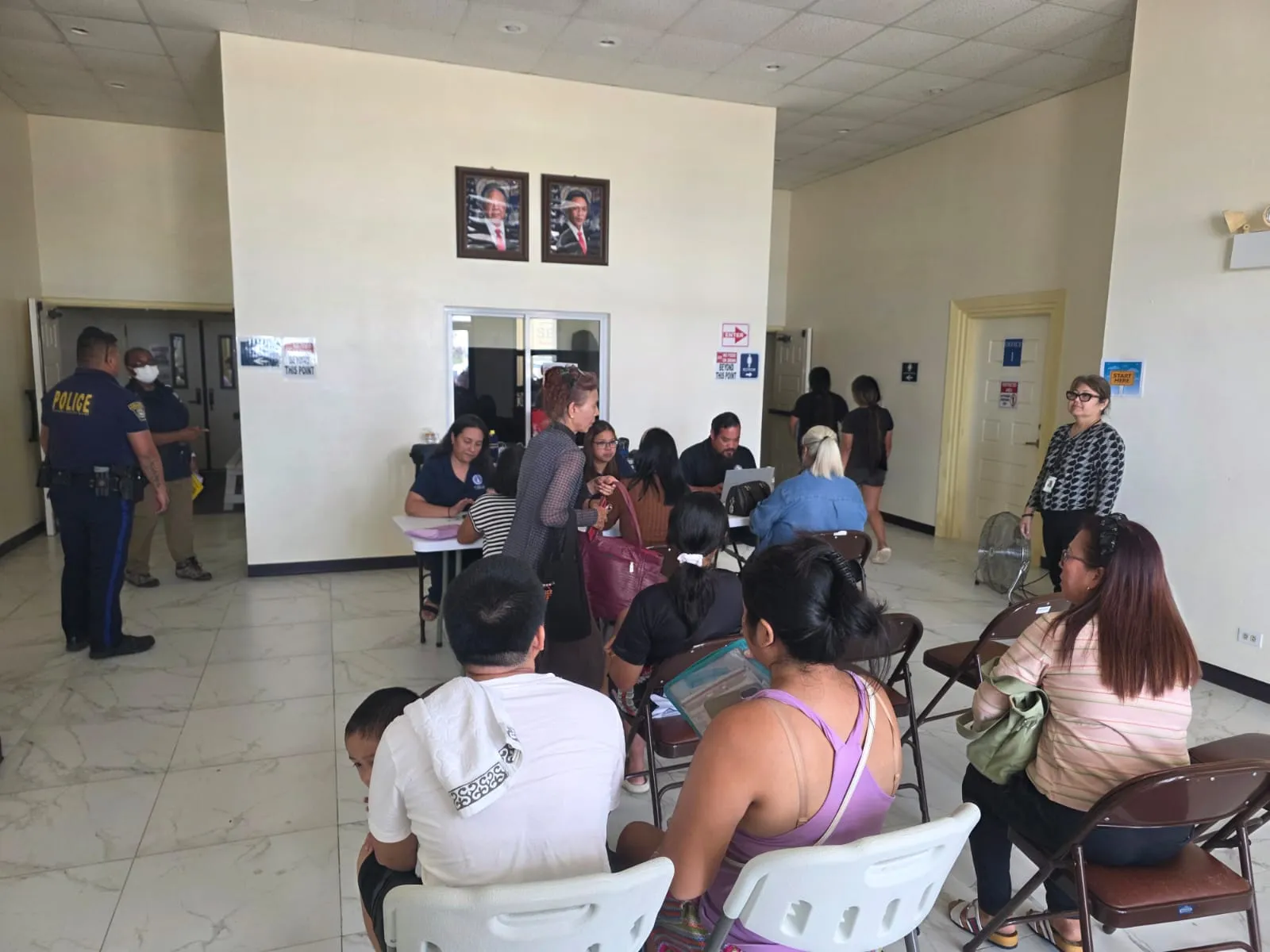
ARC executive liaison Chris Georges said the organization is meeting directly with families at the Survivor Recovery Center in Susupe to explain available services, assess residents’ needs, and prepare families for the next phase of recovery.
“We are co-located with our partners here at the Survivor Recovery Center in Susupe, and what we’re doing is talking to community members about the services we have provided, what’s forthcoming, and listening to families about what their specific needs are now,” Georges said.
Shelters, supplies, and ongoing support
Georges said the Red Cross continues to operate multiple shelters across the islands and is helping families understand what to expect if relocation becomes necessary. ARC teams are also distributing cleaning kits, tarps, mosquito nets, and other emergency supplies.
“If families need cleaning supplies, tarps, or mosquito nets, we’re helping them access those items,” he said, adding that staff are also briefing residents on additional services expected to roll out in the coming weeks.
Financial assistance tied to home damage
Georges said the Red Cross is preparing to launch a financial assistance program tied to verified structural damage.
“We are hoping to launch our financial assistance program here soon,” Georges said. “That program is contingent on qualifying damage to homes. What we are doing here in the center is informing families about those qualifications, what documentation they may need to bring to service centers, and where those locations will be in the coming weeks.”
Damage indicators include missing walls, partial roof loss, or other conditions that render a home unsafe or uninhabitable. ARC teams are continuing assessments across Saipan, Tinian, and Rota to determine the number of affected homes.
“The typhoon brought a vast amount of destruction throughout the Northern Mariana Islands, and we’re still reviewing that data,” Georges said.
No citizenship requirement
Georges emphasized that, unlike FEMA or U.S. Small Business Administration programs, ARC assistance is not tied to immigration or citizenship status.
“That’s correct. We are an unbiased organization,” he said. “Regardless of citizenship status, all are welcome to receive those services, and we provide them freely and without strings attached.”
Eligibility will instead be based on proof of residency — whether as a renter, lessee, or homeowner — and the level of damage sustained.
Working with partners to reduce barriers
With many families losing documents during the storm, ARC is coordinating with government agencies and nonprofit partners, including mayor’s offices, to verify identities and streamline the application process.
“We’re trying to remove as many barriers as we can so families who lost critical documentation can receive those funds in the most streamlined way possible,” Georges said.
Local volunteers supporting the mission
Georges said the response effort includes both deployed ARC personnel and local volunteers from the organization’s event-based volunteer network.
“It’s been very empowering to see the community welcome us as we deploy to support Saipan, Tinian, and Rota, and also to see local residents become part of the mission,” he said.
ARC officials said they will remain on the ground as damage assessments continue and additional recovery services become available.
Bryan Manabat was a liberal arts student of Northern Marianas College where he also studied criminal justice. He is the recipient of the NMI Humanities Award as an Outstanding Teacher (Non-Classroom) in 2013, and has worked for the CNMI Motheread/Fatheread Literacy Program as lead facilitator.
