







By Emmanuel T. Erediano
[email protected]
Variety News Staff
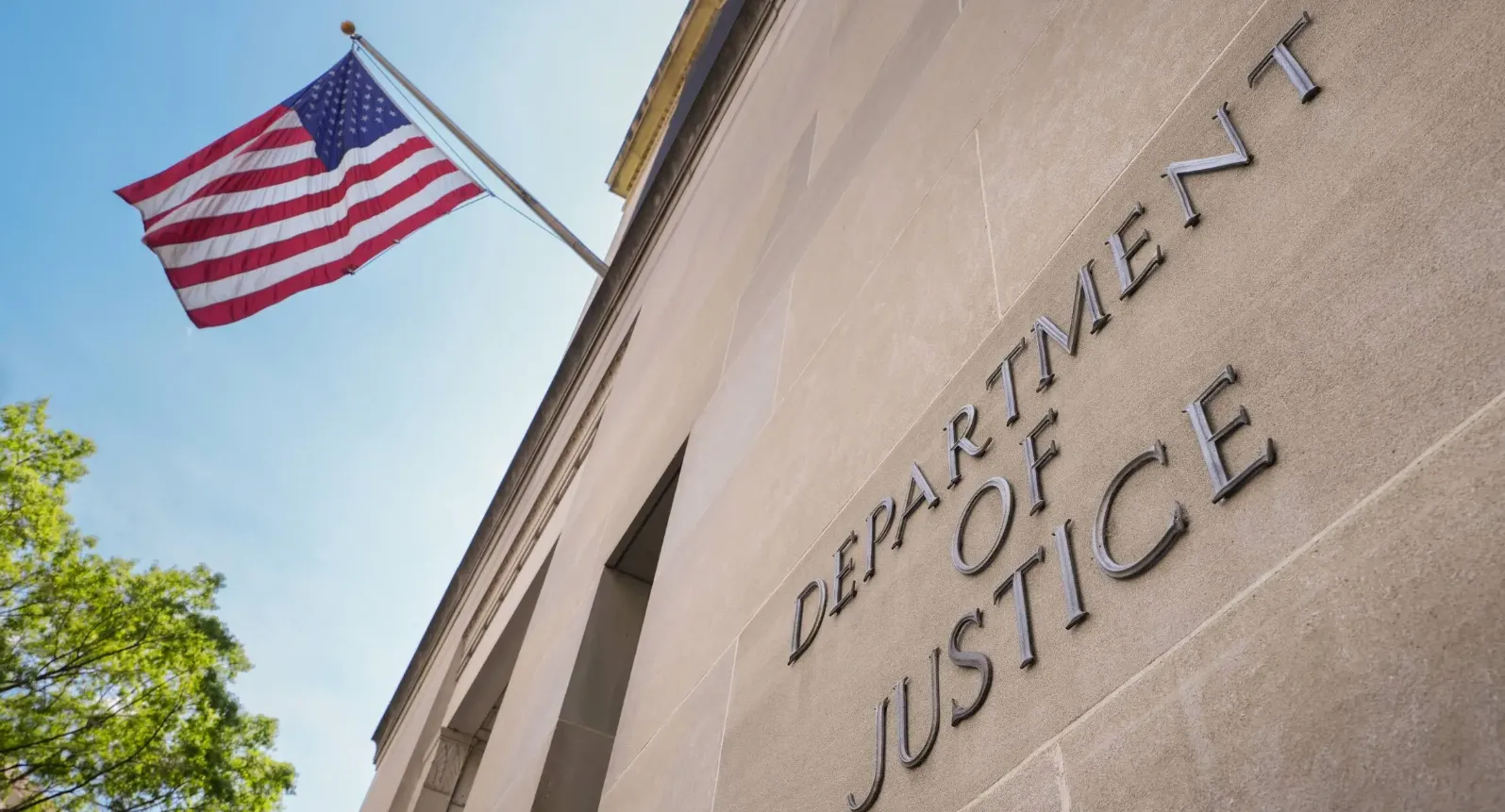
DELEGATE Kimberlyn King-Hinds on Friday requested immediate written guidance from the U.S. Department of Justice on how foreign workers with CNMI long-term resident status may continue working despite having expired employment authorization documents.
In a letter to DOJ Assistant Attorney General for the Civil Rights Division Harmeet K. Dhillon, the NMI delegate asked the department to:
• Recognize that CNMI long-term residents remain authorized to work in the Commonwealth incident to status.
• Identify a temporary combination of documents that employers may rely on in good faith, such as proof of CNMI long-term resident status, including Form I-955 approval or other government-issued evidence of status; an expired C37 EAD; proof that the individual filed, attempted to file, or is refiling a Form I-765 renewal application; and a sworn attestation that the individual continues to reside in the CNMI and has not adjusted to lawful permanent resident status or otherwise lost CNMI long-term resident status.
• Account for individuals whose renewal applications were returned or rejected because of processing problems, including alleged incorrect fee amounts or payment issues.
• Provide written assurance that employers who rely in good faith on DOJ guidance will not be subject to employer sanctions solely because an employee’s C37 EAD expired while a renewal application remains pending, delayed, returned, or rejected.
King-Hinds announced last month that U.S. Citizenship and Immigration Services Director Joseph Edlow had responded to her multiple letters, stating that CNMI long-term residents remain “employment authorized incident to status” and that renewing an EAD is not required for an individual to remain employment-authorized in the CNMI.
However, in her letter to Dhillon on Friday, the delegate said USCIS has also stated that an expired EAD is no longer valid evidence of employment authorization and that automatic extensions are not available under current regulations.
King-Hinds told Dhillon that the situation has created a serious and immediate problem for both workers and employers. She said that while an individual may remain legally authorized to work, employers lack clear documentation on which they may rely to verify that authorization.
“As a result, the worker may be employment-authorized in theory, while the employer may still face legal exposure for hiring or continuing to employ that worker,” she wrote.
King-Hinds stressed that the uncertainty stems from a gap between the status Congress created, the evidence USCIS has issued, and the absence of clear federal guidance during the first renewal cycle.
She noted that the issue falls within DOJ’s institutional role and that the department has previously issued CNMI-specific guidance through the Executive Office for Immigration Review recognizing the work authorization attached to CNMI status.
Additionally, she said, EOIR’s Office of the Chief Administrative Hearing Officer adjudicates cases involving employer sanctions, employment eligibility verification violations, immigration-related unfair employment practices, and document fraud. The Civil Rights Division also plays an important role in preventing unfair documentary practices and immigration-related employment discrimination.
Without clear DOJ guidance, King-Hinds said, employers in the CNMI may either continue employing workers without knowing what documentation they may lawfully rely upon or terminate workers who remain employment-authorized under federal law.
“This uncertainty has immediate consequences for both workers and employers,” she said. “Clear guidance would allow employers to make employment eligibility decisions based on a defined good-faith standard while allowing CNMI long-term residents who remain authorized to work to demonstrate that authorization during the renewal process.”
Emmanuel “Arnold” Erediano has a bachelor of science degree in Journalism. He started his career as police beat reporter. Loves to cook. Eats death threats for breakfast.
