





THE Commonwealth Utilities Corporation board of directors is concerned about the potential impact of the federally funded “Solar for All” program on the local power grid.
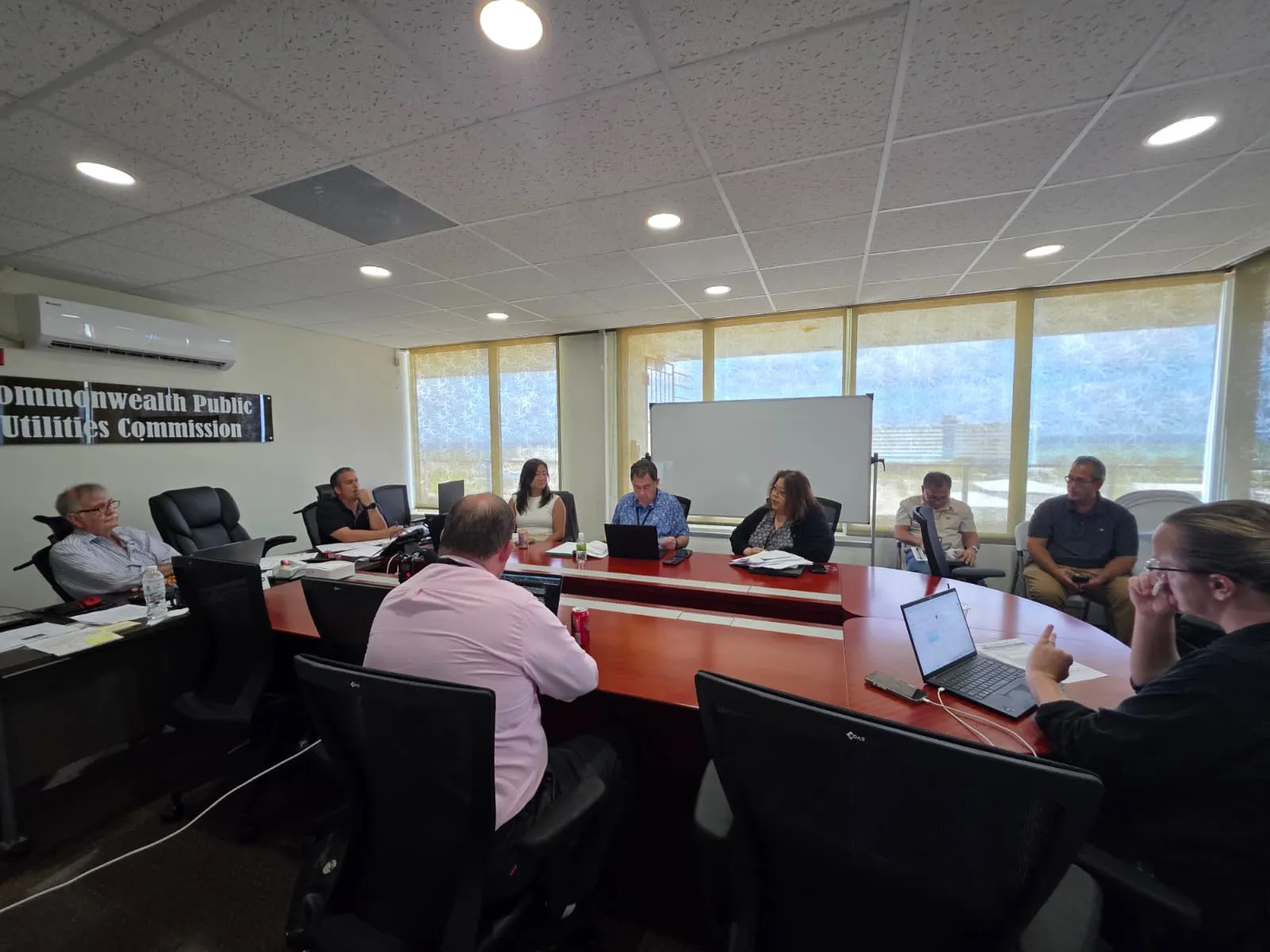
The topic was discussed during the CUC board meeting on Wednesday, March 27.
CUC board chair Janice Tenorio, members Don Browne, Frank Rabauliman, Simon Sanchez, Rebecca White and Valerie Atalig directed legal counsel Hunter Hunt to write a letter to the governor and the Legislature detailing their concerns.
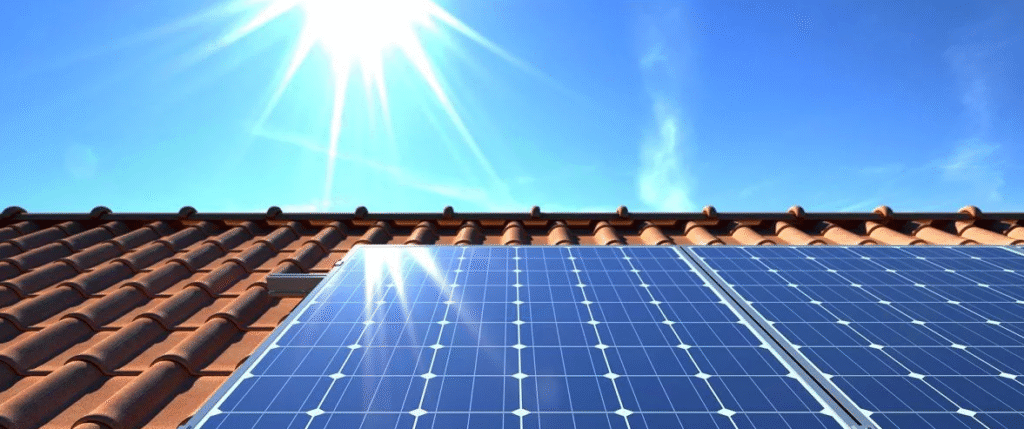
According to Sanchez, a federally funded renewable energy program is being developed by the administration. “We support the use of renewable energy both at an individual or at a utility scale, which is what we would like to do at the CUC level,” he added.
However, he said, “the concern we have for the ‘Solar for All’ program is how it will work with the CUC grid. People can put a solar panel on their roof — are they going to be connected to the grid or not? There are risks and if you’re not connected to the grid, particularly if you have a sustained period of cloudiness where your solar panels and batteries are not able to recharge your system how does that individual get power? The other concern is if you put too much solar on a particular circuit within the grid you create impacts on the circuit which could affect non-solar customers. And usually if you create an impact on a circuit, you’re responsible for mitigating that impact and paying for it. That will work very easily with utility-scale solar but can we expect an individual to deal with that impact?” Sanchez asked.
He said CUC is pursuing a utility-scale solar power system that “benefits all rate payers not just those who have solar [panels] on their roof.”
He said, “Utility-scale solar would lower the cost of power for all rate payers, and that’s what CUC is focused on. If you want to do your own that’s fine. But if you want to be connected to the grid you need to talk to CUC. If you don’t want to be connected to the grid that’s possible, but you do run the risk that if your system fails for whatever reason and you’re not connected to CUC then how are you going to make power?”
A member of the Guam Consolidated Commission on Utilities, Sanchez said, “It’s a good decision for the CNMI to move into renewable energy. It’s what Guam is doing as well, but you want to do it in a well-thought-out basis and you want to make sure you don’t create unintended impacts particularly on the grid especially if you remain connected to the grid.”
He said the CUC will “send a letter to the governor stating our concerns. From what I understand there are no exact details on how this ‘Solar for All’ program will work. Who’s going to qualify? How much capacity are you allowed to put on your roof? In most places you’re not allowed to … oversupply more than your usage. You can’t build a solar system more than you use and there’s a value for individual solar being used on the system and we can pay for that value and work out something through the net metering law already on the books. I think there’s a better way to think about bringing renewable energy into the CNMI than just let a program run off without any consideration to what that program might do to the rest of the rate payers who rely on the grid,” Sanchez added.
In July 2023, the state clearinghouse administrator for the Office of Grants Management, Epiphanio E. Cabrera Jr., said 2,500 homes could benefit from a $25 million grant for residential rooftop solar power from the U.S. Environmental Protection Agency.
Cabrera said the grant would be awarded in July 2024.
