







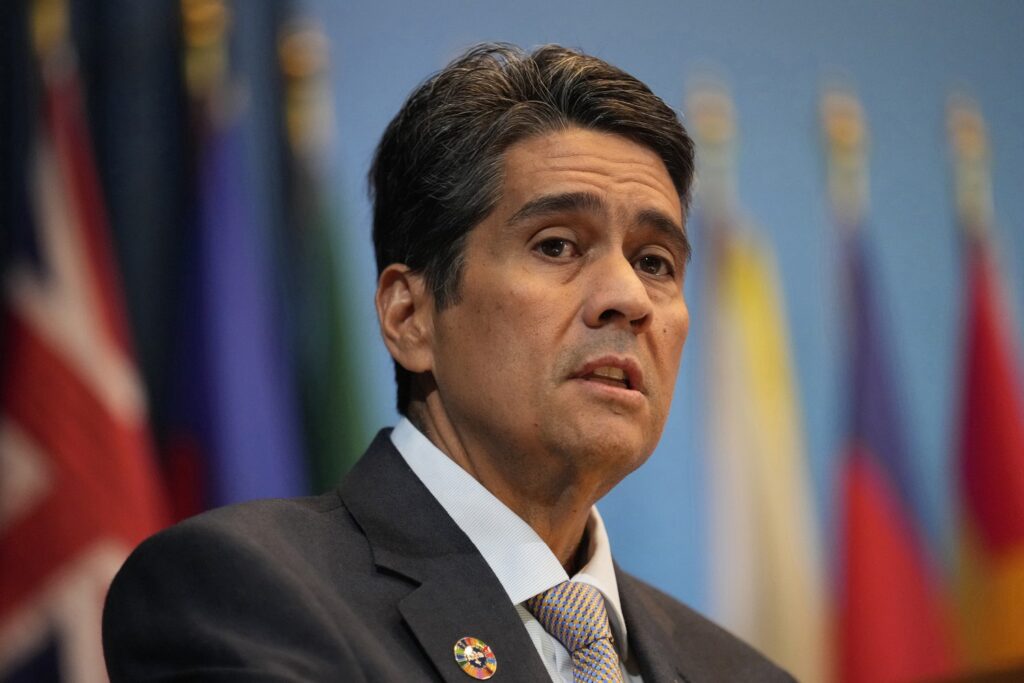
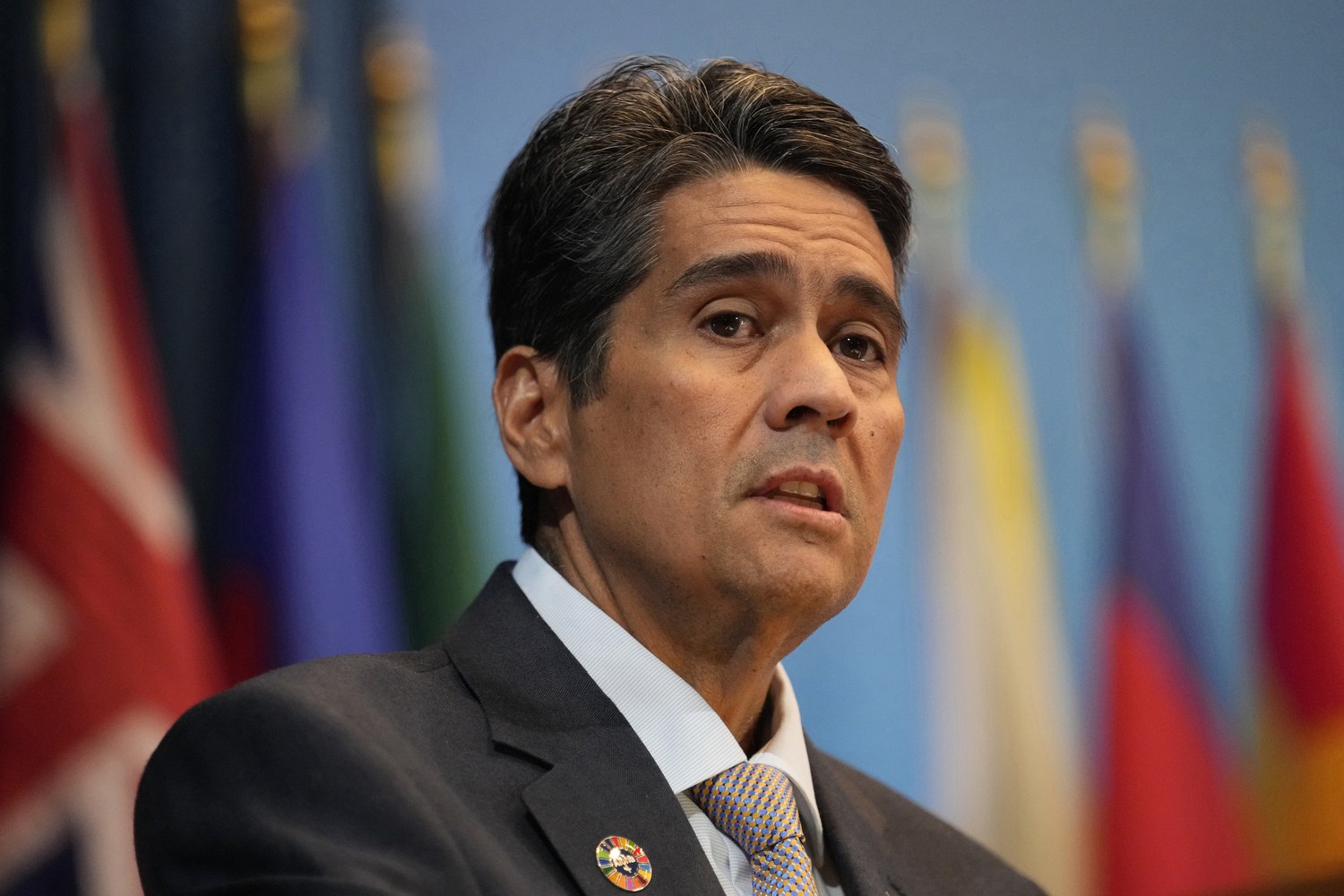
Surangel Whipps Jr.
BEIJING/KOROR (Radio Free Asia/Pacnews) — China has promised Palau economic benefits in exchange for the latter severing diplomatic ties with Taiwan, President Surangel Whipps Jr. said in a letter to an unnamed U.S. senator.
Whipps told the senator that China had offered “to ‘fill every hotel room’ in our tourism-based private sector — ‘and more if more are built,’ ” and pay $20 million a year for a call center.
Whipp is seeking the U.S. Congress’ approval for funds for the economic assistance packages pledged to Palau, which alongside the Federated States of Micronesia and the Marshall Islands, have Compacts of Free Association with the U.S.
COFA gives the U.S military access to these island nations’ vast maritime territory in the Pacific. They provide the U.S strategic control of the sea and air between Hawaii and Asia, an area wider than continental United States, Whipps wrote.
The longer the delay to approving the amendment to the national security supplemental appropriations bill, Whipps warned, the more it “plays into the hands of the Chinese Communist Party” and business leaders in Palau who want to accept the economic benefits, “at the cost of shifting alliances, beginning with sacrificing Taiwan.”
Whipps’ letter was uploaded in a post on X Thursday by Cleo Paskal, a researcher at the Foundation for Defense of Democracies, an American think tank. The letter ended by calling the legislation “critical for both of our democracies and a free and open Indo-Pacific.”
Experts pointed out that China’s monetary diplomacy strategy focuses on poaching Taiwan’s allies, while its diplomatic offensive against Palau aims to break the U.S containment of China’s defense lines, allowing its fleet to cross the second island chain and reach the U.S rear at any time.
In her response to the press on Friday, Rosalia Wu, secretary-general of the Taiwan Democratic Progressive Party’s Legislative Yuan Caucus, said Palau and Taiwan have a firm friendship and China’s “money diplomacy” may not be effective.
“Of course this is commonplace, and it is nothing new. China can’t come up with any more attractive new tricks. But within China’s internal affairs and domestic economy, we see many Chinese people are suffering, while China continues to spend huge sums of money to buy diplomacy.”
Wu added that China may have offered favorable incentives to win diplomatic ties, but there are many cases of Beijing being unable to realize these promises. Honduras, which shifted toward establishing ties with China, is a case in point, Wu said.
“Honduras has lost more than 10,000 job opportunities and nearly $15 million in foreign exchange. China has bragged about procuring their white shrimp in bulk but that was a check that didn’t cash out.”
Chen Li-fu, president of the Taiwan Association of University Professors, said in an interview with Radio Free Asia that China’s short-term goal is to break Taiwan’s ties with Palau. In the long term, it is to use these Pacific island countries as a springboard to break through the U.S. blockade against Beijing.
“Because the first island chain of the U.S is Japan, Taiwan and the Philippines; the second island chain is in Guam, and the third island chain is in Hawaii,” Chen said.
“If [China] goes to the South Pacific countries, it will directly cross Guam, which is equivalent to reaching the rear of the U.S. If the U.S wants to encircle China on the first island chain, and the second island chain is the rear, the Chinese fleet can move to the rear of Guam in a legal way, through reconciliation or visit, which is effective.”
Taiwan’s Ministry of Foreign Affairs spokesman Jeff Liu said Taiwan empathizes with Palau’s plight of China’s economic coercion, and the island will continue to provide assistance.
