




OVERFISHING and non-point source pollution have negatively affected the CNMI’s coral reefs—a problem also shared by other insular areas in the Pacific.
In a three-day meeting of the Global Coral Reef Monitoring Network regional node coordinators last week, at least 25 environmental experts called for more educational awareness campaigns to protect coral reefs in the region.
The Coastal Resources Management hosted the event, held from March 25 to 27 at Joeten-Kiyu Public Library in Susupe.
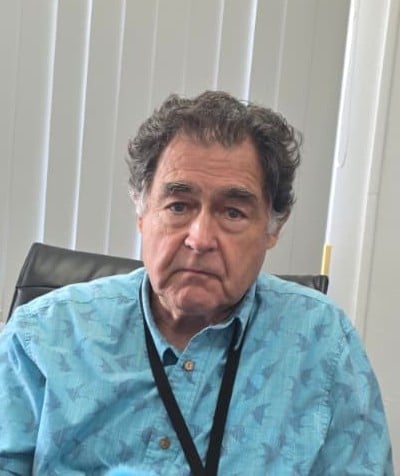
John Starmer, CRM marine biologist, said the improper disposal of waste and the use of harmful chemicals are some of the human practices that harm coral reefs.
“Addressing non-point source pollution is not an easy thing to do, but regulatory agencies have started working on these issues. Simple things like not throwing garbage into the sea or not using Clorox for fishing will help us prevent further harm on the coral reefs,” Starmer told the Variety.
Starmer, who is also the national node coordinator, said more studies on the status of fisheries in the CNMI are needed.
A report on the state of CNMI coral reefs is expected to be released in the next few months, Starmer said.
Environmental experts from Guam, American Samoa, the Federated States of Micronesia, Palau and the Marshall Islands also raised similar concerns.
Some of the issues discussed by CRM during the event included the use of the global positioning system, the long-term marine monitoring program, marine survey methods and water quality monitoring system.
The event is part of the U.S. Coral Reef Initiative activities, which were also discussed by the participants.
The Global Coral Reef Monitoring Network is a coordinating organization that compiles global state of the reef reports.
