




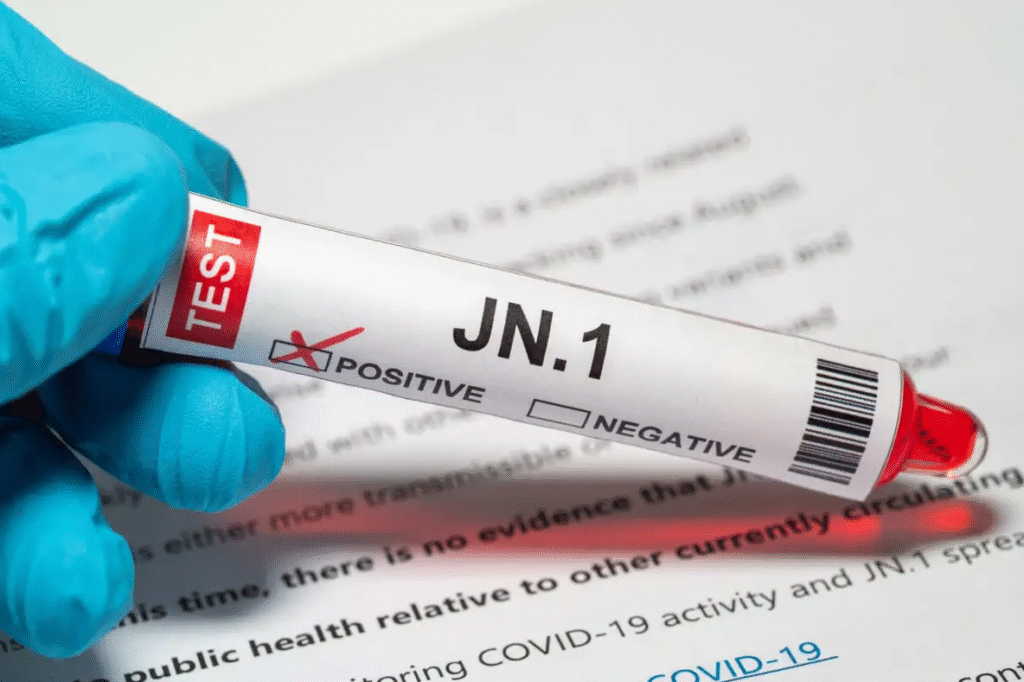
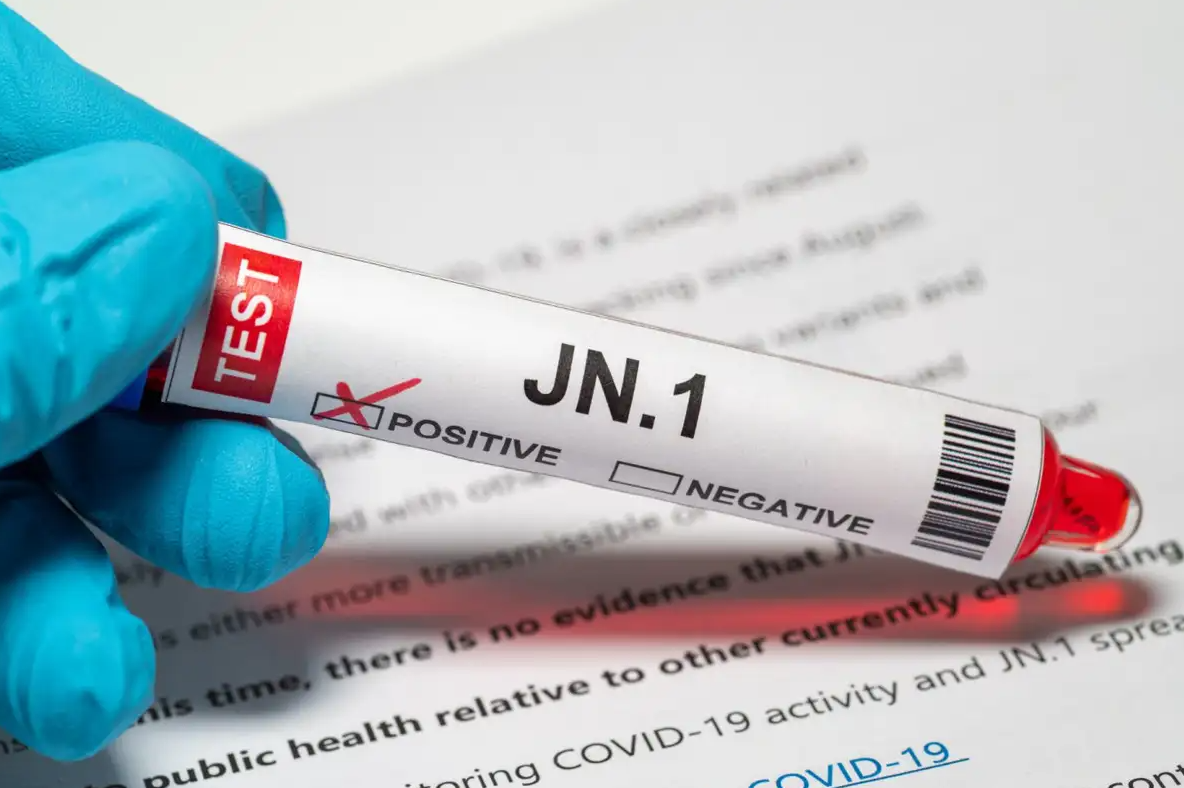
(CHCC) — The Commonwealth Healthcare Corporation confirmed one case of JN. 1 Covid-19 variant in the CNMI as of Thursday, Feb. 1, 2024. The specimen was collected and sent to Guam Public Health Laboratory for testing and confirmation.
JN.1 is a subvariant of Omicron that was first detected in late August 2023 by the World Health Organization. JN.1 cases have steadily increased but spiked on the U.S. mainland during the winter months and now makes up approximately 86% of the current circulating strains. “We expect the numbers to increase in the CNMI as more people continue to travel throughout the region,” CHCC said.
The symptoms of JN.1 are sore throat, congestion, dry cough, runny nose, headache, fatigue, muscle aches, diarrhea and changes in taste or smell. These symptoms are said to be similar and no more severe than the other strains.
Although the most recent Covid-19 vaccines were developed against another Omicron strain, studies have shown that the vaccines are expected to lower chances of serious illness or hospitalization from the variants that are currently circulating. The most updated Covid-19 vaccines were released late September to early October 2023. If you received a Covid-19 vaccine before October 2023, you might need a vaccine update. These vaccines are available for people ages 6 months and older.
If you think you’ve been exposed to Covid-19 or feeling symptoms, get tested, stay home and do not attend gatherings until you know your results. People who test positive should stay home, even if they do not have symptoms. Always look for emergency warning signs, such as trouble breathing, persistent pain or pressure in the chest, new confusion, inability to wake or stay awake, or bluish lips or face. Please call your healthcare provider for any other symptoms that are severe or concerning to you. Call 911 if an emergency is occurring and notify the operator that you are seeking care for someone who has or may have Covid-19.
If you are not experiencing symptoms and have not tested positive, consider getting vaccinated with the most updated Covid-19 vaccine. Vaccination is especially important for people living with chronic conditions, pregnant mothers, young children, and manamko’
Community based testing & travel testing
Covid-19 testing is available Monday to Friday, 8 a.m.-11 a.m. and 12:30 p.m.-3:30 p.m. Saturday hours are 8:30 a.m.-11 a.m. Register at https://covidtesting.chcc.health/ online and bring a valid ID. Check-in area is at the CHCC ER registration window. Initial testing is still free, any additional testing fees may be covered by insurance. Self-testing kits are also available for purchase at most pharmacies.
Additionally, consider self-testing at home using rapid tests available for purchase nearby pharmacies.
Vaccination
Getting vaccinated with the most updated 2023-2024 Covid-19 vaccines remains one of our best prevention measures in protecting people from getting severely sick. Covid-19 vaccination is available at the following CHCC clinics or locations:
• CHCC Immunization Clinic
• Family Care Clinic
• Children’s Clinic
• Women’s Clinic
• Tinian Health Center
• Rota Health Center
• CHCC Mobile Clinic
• Outreach events
The Covid-19 and other vaccines are available to individuals who are uninsured, underinsured, or Medicaid-eligible at no-cost eligible under the Vaccines for Children and Section 317 program. For individuals who are insured, Covid-19 vaccines are available as well. CHCC recommends you bring your insurance card for verification.
Alternatively, Covid-19 vaccines will also be available through CHCC partner clinics (Medical Associates of the Pacific, Marianas Medical Center, Kagman Isla Community Health, Southern Isla Community Health, and Tinian Isla Community Health) and Brabu Pharmacy. Please contact your respective clinics for more information on flu vaccine availability and eligibility. For more information about Covid-19 vaccines please call the CHCC Immunization Clinic at (670) 236-8745.
Follow the 3 W’s
• Wear a mask when around other people, if you prefer to. People can wear a mask based on personal preference, informed by personal level of risk. People with symptoms, a positive test, or exposure to someone with Covid-19 should wear a well-fitting mask.
• Wash your hands often with soap and water for at least 20 seconds, especially after you have been in a public place, or after blowing your nose, coughing, or sneezing. If soap and water are not readily available, use a hand sanitizer that contains at least 60% alcohol. Cover all surfaces of your hands and rub them together until they feel dry. Avoid touching your eyes, nose, and mouth with unwashed hands.
• Watch your distance. Stay 6 feet away from others. Inside your home, avoid close contact with people who are sick, and if possible, maintain 6 feet between the person who is sick and other household members. Outside your home, stay at least 6 feet (about 2 arm’s length) from other people, especially if you are at higher risk of getting sick.
“We thank you for doing your part to protect yourself, your family and friends, and the community.”
Follow @cnmichcc on Facebook, Instagram, and Twitter; visit www.chcc.health for updated information and outreach clinic schedules.
