




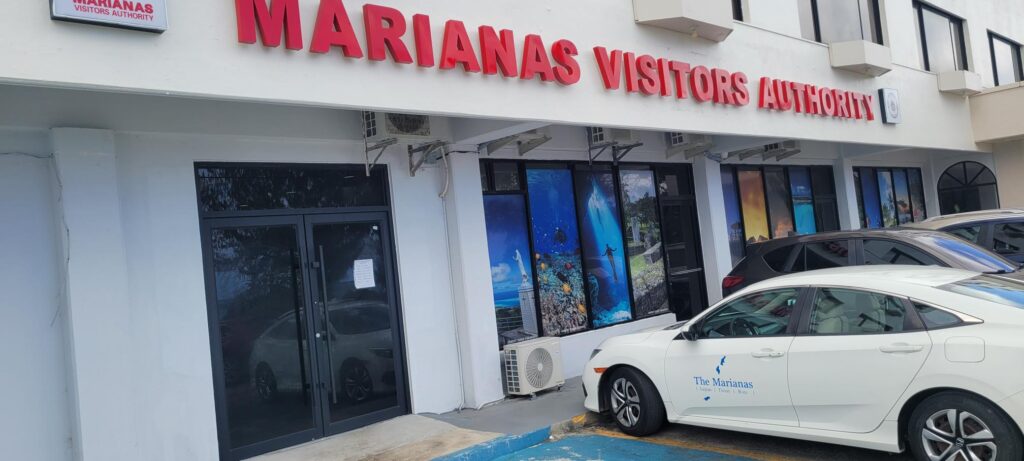
THE Marianas Visitors Authority’s Tourism Resumption Investment Plan or TRIP committee was disbanded after a board meeting Tuesday.
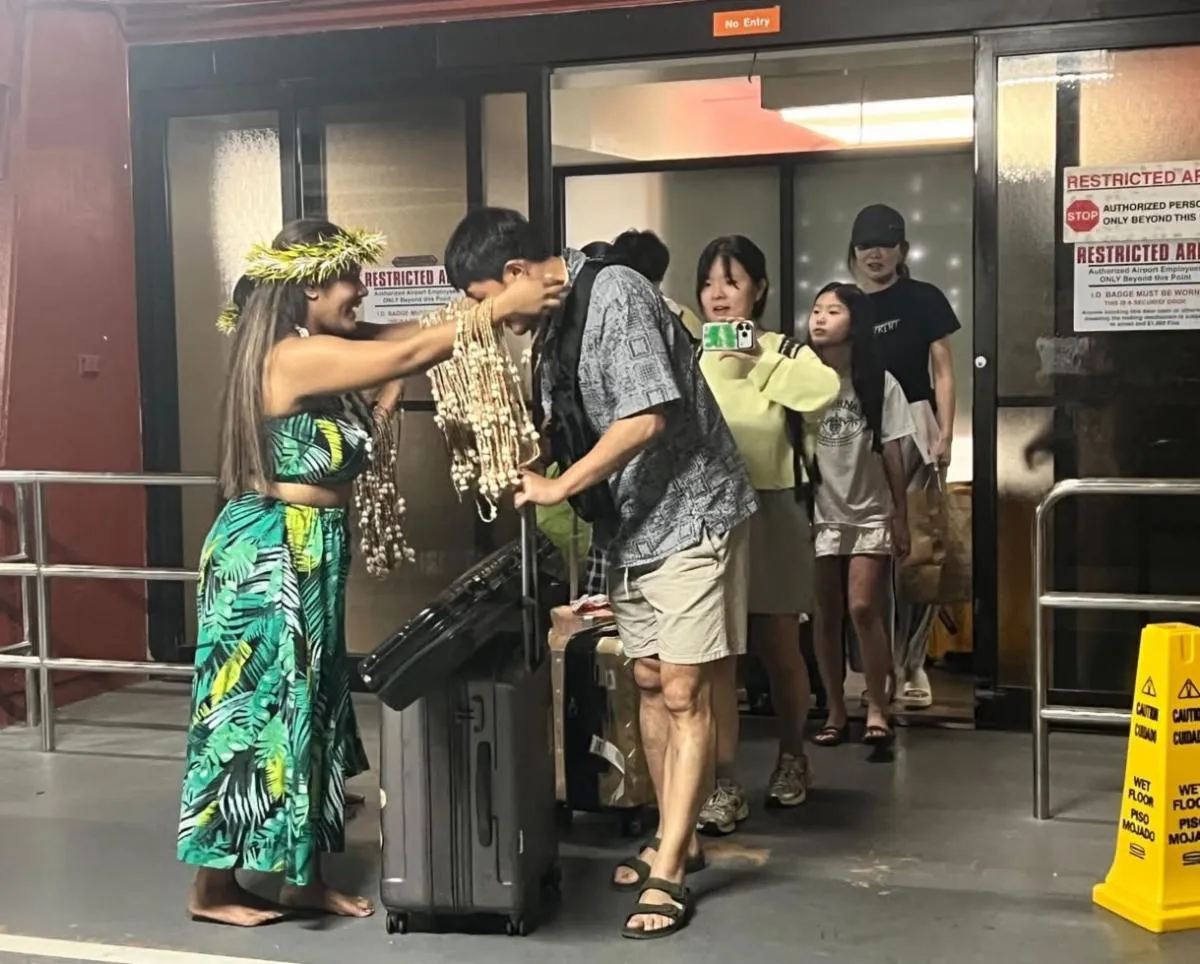
Under the previous administration, the TRIP program was funded by American Rescue Plan Act or ARPA funds and provided subsidies to airlines, hotels, travel agencies, and related businesses to assist in jumpstarting tourism in the CNMI after the Covid-19 pandemic tanked the tourism-based local economy. The TRIP program was launched in June 2021 and targeted two main CNMI tourism markets: South Korea and Japan.
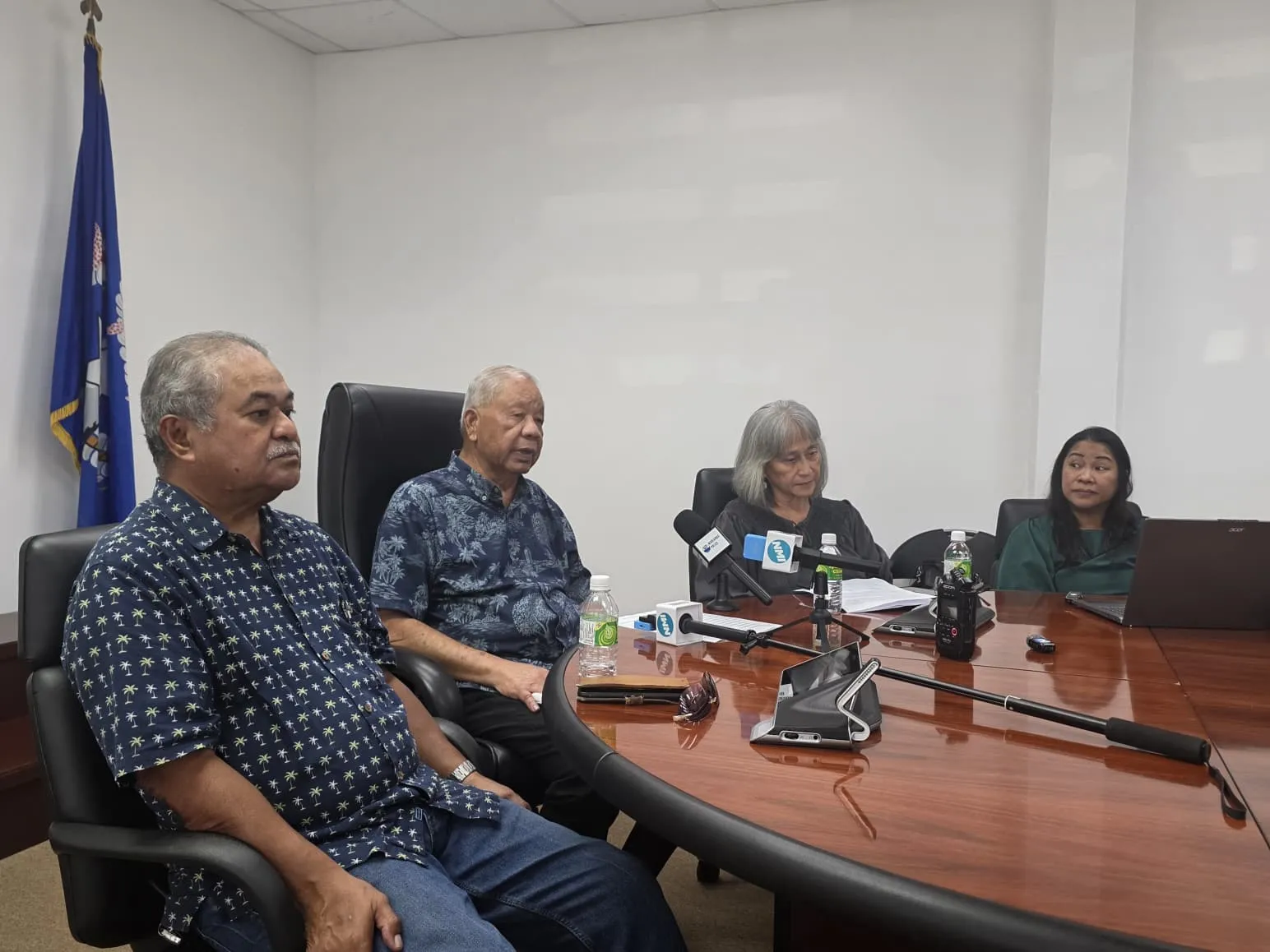
“ARPA funding is no longer available,” said MVA acting board chair Gloria Cavanagh in an interview.
MVA has $6.2 million in reserve, she said, adding that about $7 million in ARPA funding was provided to MVA in the previous fiscal year.
“MVA now has to use the funds we have in reserve, so all expenses have to be approved by the board and not by the TRIP program committee,” Cavanagh said.
“We are very lucky…that we saved quite a bit of money over the years…but [we have to spend it on] destination enhancement,” she added.
Cavanagh said there are, for example, repairs and safety issues at the tourist sites.
She said most of the available MVA funds in reserve will be used for destination enhancement, and the rest will go toward the previous commitments of the TRIP program.
MVA’s finance committee will meet “to find out how much we actually need in order to try to do as much with the limited funds that we have,” she added.
In its fiscal year 2022 citizen-centric report, MVA stated that pursuant to Public Law 18-1, the Hotel Occupancy Tax or HOT “normally constitutes a majority” of its budget.
“From the tax collected, 80% is given to…MVA and 20% to the NMI Retirement Fund. However, due to low visitor arrivals, the CNMI Budget Appropriations Act in FY 2022 suspended MVA’s entitlement to the HOT and Alcohol Container Tax. Major funding sources in FY 2022 were the American Rescue Plan Act, Community Development Block Grant-Disaster Recovery, Office of Insular Affairs Technical Assistance Program, and local appropriation.”

