




By Emmanuel T. Erediano
[email protected]
Variety News Staff
GOVERNOR David M. Apatang on Thursday signed into law Senate Bill 24-31, which aims to help struggling small businesses survive by allowing them to sell Non-Time/Temperature Control for Safety or on-TCS food prepared in residential kitchens. Authored by Senate Floor Leader Donald M. Manglona, S.B. 24-31 is now Public Law 24-22.
TCS foods are perishable items that require specific time and temperature controls to ensure they are safe to eat. P.L. 24-22 also allows cottage food operations or CFOs in the CNMI. CFOs are home-based non-TCS food businesses that produce and sell non-perishable, low-risk foods such as baked goods, jams, and dry snacks.
The law requires CFO owners to apply for a sanitary permit, complete a food safety training course, obtain a food handler’s certificate, and properly label their products with the business name and address, a list of ingredients, allergen warnings (if applicable), a statement that the product was made in a home kitchen, and the date of production.
P.L. 24-22 also allows entrepreneurs to operate Micro-Enterprise Home Kitchens or MEHKs, which involve preparing and selling freshly cooked meals from home at temporary events not exceeding 30 days. Operations are limited to breakfast, lunch, or dinner, with no pre-packaged or mass-produced foods and no wholesale or third-party sales.
The law exempts CFOs and MEHK operators from commercial rates for electricity, water, and wastewater usage. The exemption remains in effect as long as businesses maintain the necessary qualifications and comply with requirements set forth by the law, which mandates periodic inspections by the Commonwealth Healthcare Corp.’s Environmental Health Disease Prevention unit.
“This depressed economic state adversely impacts the well-being and sustainability of all citizens and many business owners throughout the islands, making it difficult to remain afloat,” P.L. 24-22 states. “Many small businesses within the Commonwealth can generate revenue using culinary talents performed within their homes; however, it is difficult absent the necessary regulations.”
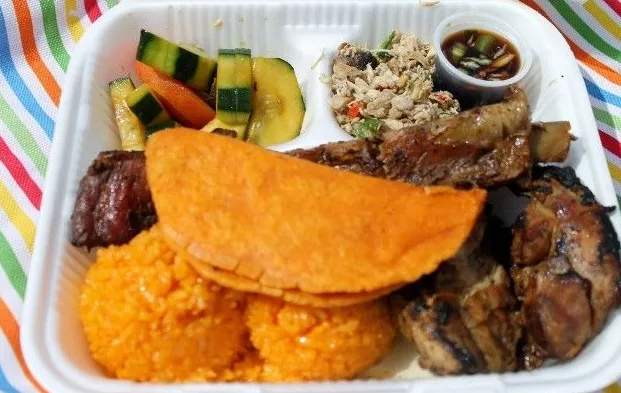
The operations of food vendors at Sabalu Market in front of the Nauru Building fall under a category defined by this law. Manglona said in an interview that Sabalu Market vendors no longer have to maintain a separate commercial kitchen for their products. “This will encourage other residents to start their own small food businesses and become contributors to the local economy,” he said.
Emmanuel “Arnold” Erediano has a bachelor of science degree in Journalism. He started his career as police beat reporter. Loves to cook. Eats death threats for breakfast.
