





LIKE other Tinian leaders, Commonwealth Ports Authority Board Chairwoman Kimberlyn King-Hinds informed a visiting U.S. congressional delegation about the lack of funds to improve the condition of the island’s seaport.
In her letter to U.S. Congresswoman Debbie Wasserman Schultz, D-Florida, the chairwoman of House Appropriation Committee’s Subcommittee on Military Construction, Veterans Affairs and Related Agencies, King-Hinds emphasized the importance of CNMI infrastructure to national security.
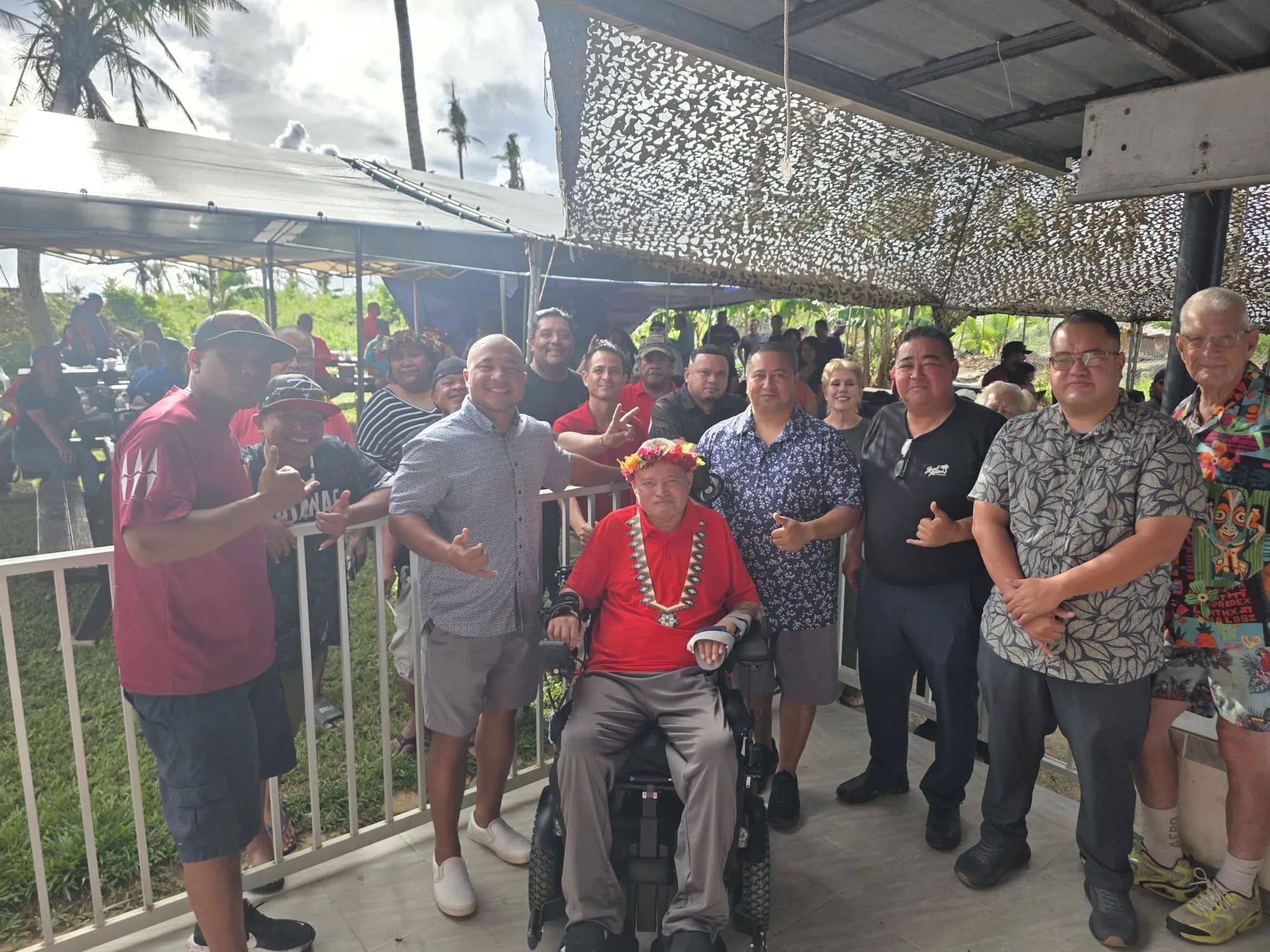
Joining Wasserman Schultz on Tinian last week were U.S. Congressman Ed Case, D-Hawaii, U.S. Congressman Randy Feenstra, R-Iowa, and U.S. Congressman Gregorio Kilili Camacho Sablan of the CNMI.
“We as a nation are most secure when our islands are economically self-sustainable,” King-Hinds said in a letter to Wasserman Schultz. “As we look across the Pacific, island nations are most vulnerable to China’s ‘checkbook’ diplomacy when their economies are struggling to support basic government services.”
If the goal is to ensure a free and secure Indo-Pacific region, King-Hinds said, “we must act like we mean what we say and make the necessary investments in infrastructure critical to both the CNMI’s economy and our national security. We must reassess one size fits all policies that chokehold the ability of the CNMI to become economically self-sustainable.”
She said infrastructure development is critical to the long-term economic self-sustainability of the islands. Because the CNMI does not have the ability to generate revenue to build infrastructure, the Commonwealth government is considering public-private partnerships to fund major airport and seaport projects.
“As the chairwoman of the ports, I can tell you that Chinese investors are knocking at the door and have shown interest in developing this partnership. This scenario is far from ideal and should be concerning to all of us,” King-Hinds said.
She asked Wasserman Schultz to consider direct appropriation of funds for critical infrastructure repairs at CNMI ports.
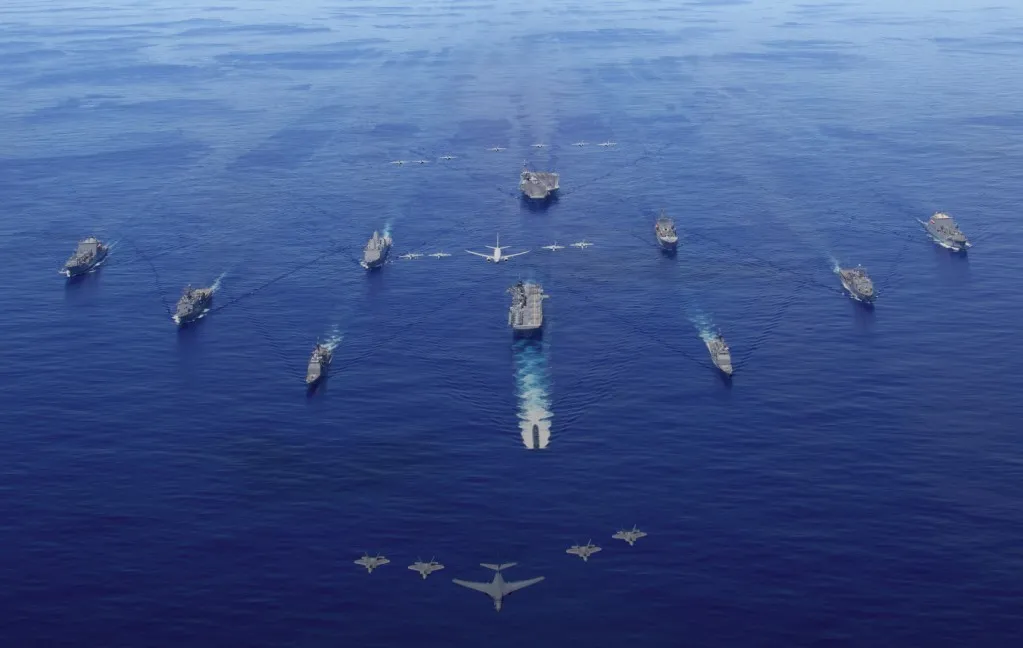
“We are cognizant of the role that our islands play in America’s efforts to counter China’s influence in the Pacific,” King-Hinds said. “The Commonwealth Ports Authority recognizes that our ports, both air and sea, are a vital resource to our national security. Your visit to Tinian signals to us that you too recognize the importance of our islands to our nation’s national security. It is my hope that after your visit, you too can be a champion for Americans who call the Marianas home.”
King-Hinds added, “As you will now have seen for yourself, the Tinian Harbor which was built in the mid-1940’s is one super typhoon away from being washed out. Over the course of the past several years, we have been working with our partners at the Department of Defense to address immediate repair needs. We are all in agreement that the improvements at the harbor are temporary fixes and those investments stand to be washed away if the sea wall that protects the harbor is not replaced.”
She said significant investment has been made to build the Divert Airfield project which will serve as a training and an alternative operating facility for the U.S. military in the event of a crisis in the Pacific. But this future training and operating facility will require a steady supply of fuel which is brought in through the Tinian Harbor, she added.
Because Tinian’s is just a small port, generating revenue to fund the project is a significant challenge, King-Hinds said.
CPA has also applied for various grants, but it must overcome the hurdle of making the argument that the benefit of this project outweighs its cost, which was estimated to be anywhere from $122 million to $188 million in 2018 by the U.S. Army Corps of Engineers, she added.
“This is a challenge we face with funding any repairs at the ports across the CNMI,” she said. “I share this challenge because current ‘one size fits all’ federal policies and regulations which may work on the continental United States do not work in the CNMI. I hope your visit to the CNMI and dialogue with our local leadership and DOD partners highlights some of those unique challenges.”
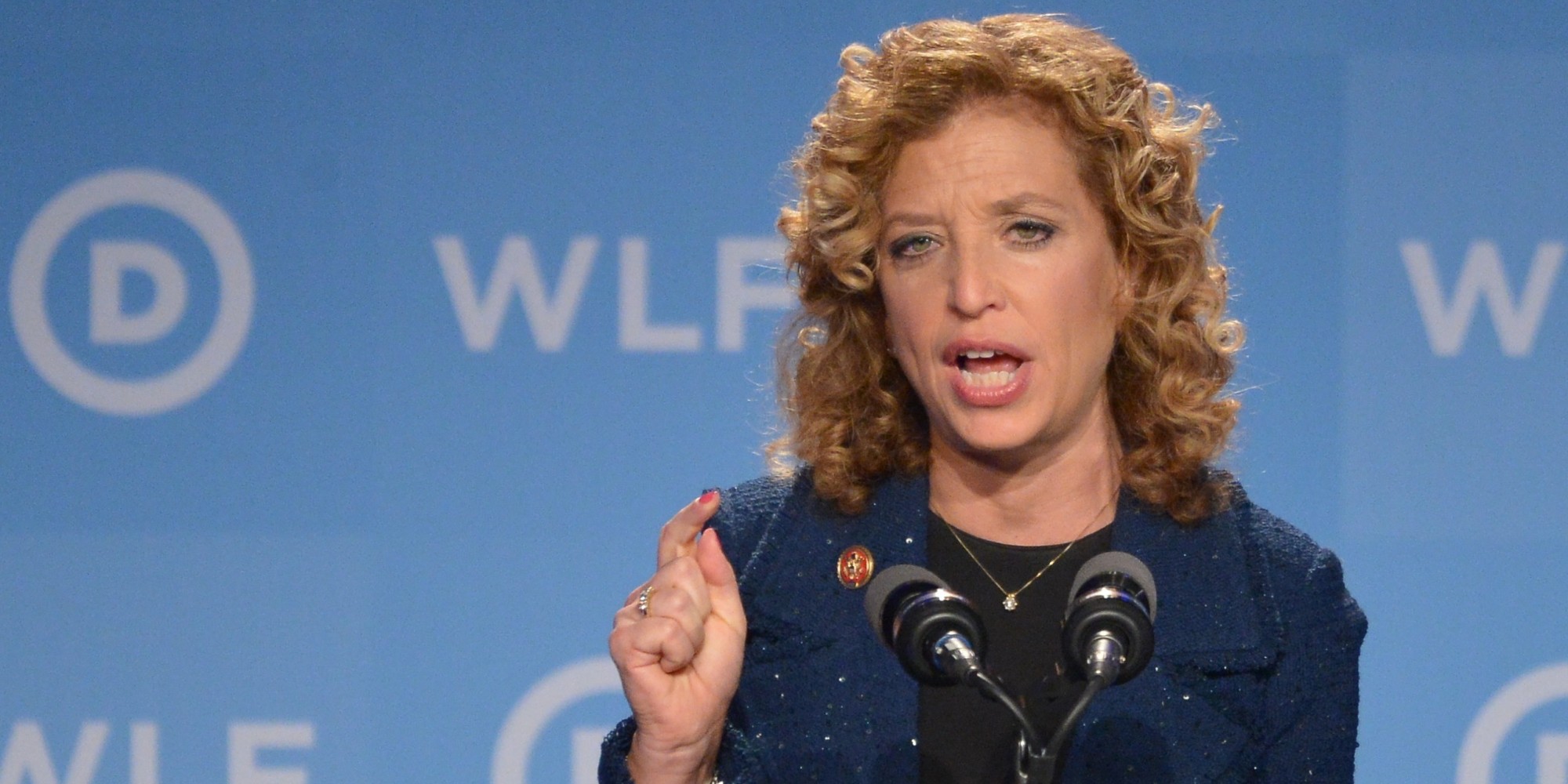
Debbie Wasserman Schultz
