


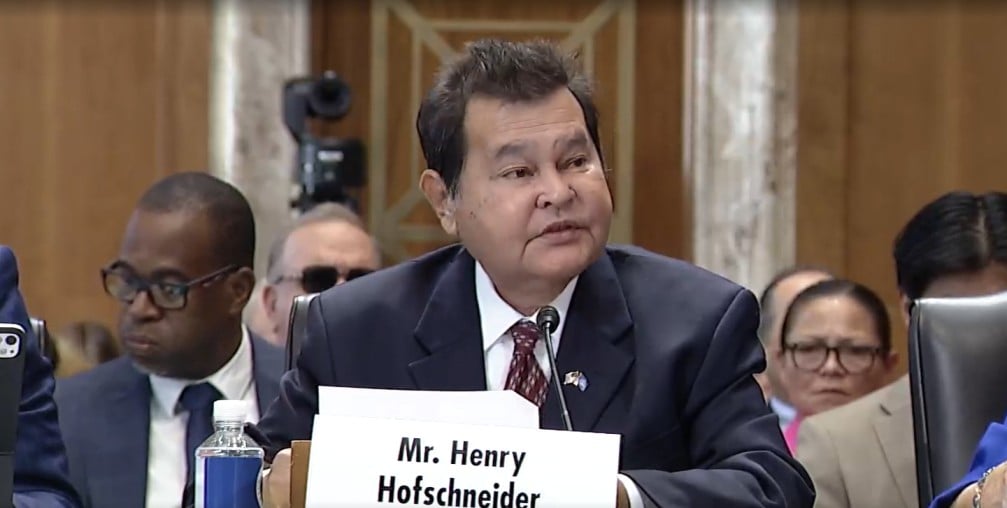
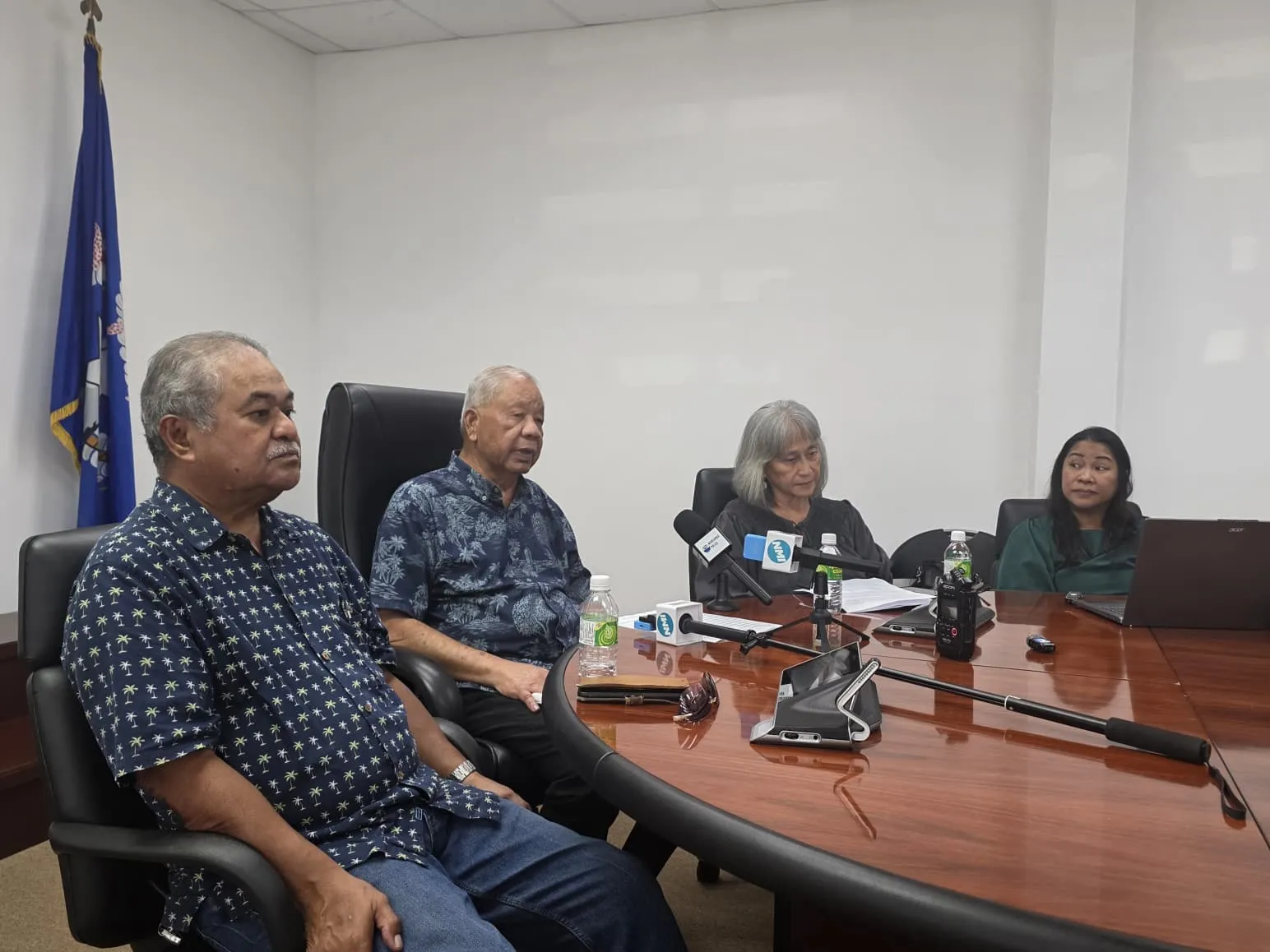




During a meeting on Friday, the Scientific and Statistical Committee (SSC) recommended that the U.S. Department of Defense and the National Marine Fisheries Service (NMFS) address the impact of increased military activities on fishing communities in Guam and the CNMI.
SSC said the Department of Defense and NMFS should investigate the impact of the military buildup to local fishing communities.
The council added that NMFS should develop a mitigation and compensation plan to assist those affected.
The plan, SSC noted, should include fish aggregation device and fishery development programs.
The council also recommended that the Defense Department reconsider its proposed extension of the current fishing area closure from 0 to 3 miles offshore around FDM to 0 to 10 miles offshore.
The Farallon de Medinilla Target Range is the Pacific Fleet’s only U.S.-controlled range available for live-fire training for forward deployed naval forces.
Located 45 miles from Saipan, the FDM is an important bottomfish ground for local fishermen.
The island is also an important nesting site for more than a dozen species of migratory birds, including some that are already endangered.
FDM hosts colonies of great frigate birds; masked, red-footed, and brown boobys; red- and white-tailed tropicbirds; white and sooty terns; brown and black noddys; and other species of migratory seabirds.
The air and sea space in FDM provides sufficient room for the many different attack profiles necessary to replicate training opportunities in CNMI.
The Defense Department, SSC said should open their waters around FDM to seasonal fishing which is during March to June and should provide additional notifications of area closures for live fire training through additional media outlets in both GUAM and CNMI.
About 8,000 U.S. marines and 9,000 dependents are scheduled to be relocated to Guam by 2014.
