






By Emmanuel T. Erediano
[email protected]
Variety News Staff
THE U.S. Senate Committee on Energy and Natural Resources on Wednesday heard testimony from CNMI Gov. David M. Apatang, who made several requests, including increased federal cost share for disaster recovery assistance and the restoration of air service to help rebuild the Commonwealth’s struggling tourism industry.
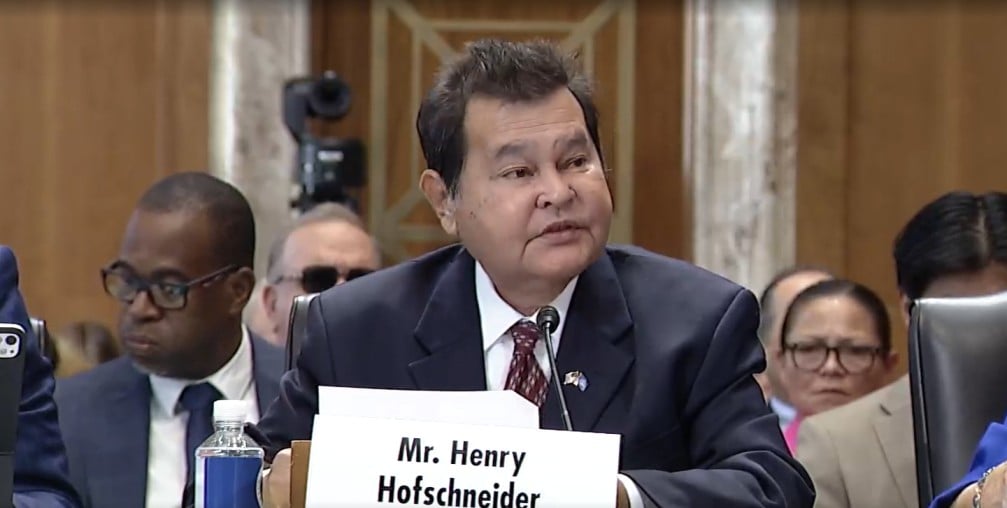
The committee chairman, Sen. Mike Lee, R-Utah, noted that ongoing recovery efforts in the aftermath of Super Typhoon Sinlaku required Gov. Apatang’s presence in the CNMI. As a result, the governor’s Chief of Staff Henry S. Hofschneider delivered his testimony during the hearing examining the state of U.S. territories.
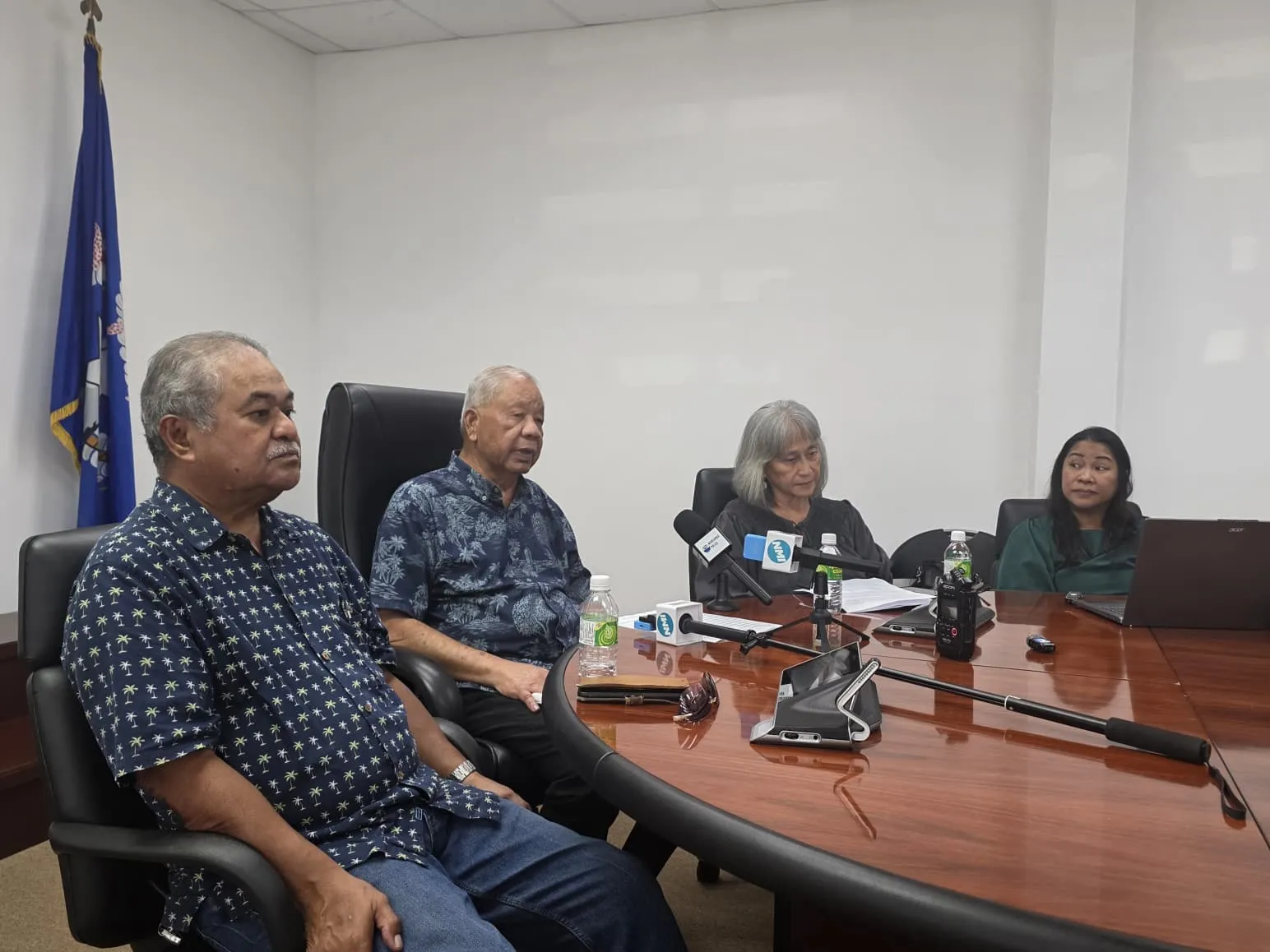
Also in attendance from the Commonwealth were Delegate Kimberlyn King-Hinds and Governor’s Council of Economic Advisers Executive Director Clement “CJ” Bermudes Jr.
Lee said the CNMI continues to recover from the devastation of Super Typhoon Sinlaku, which caused significant damage across the islands, and that this “necessitated Gov. David M. Apatang’s continued presence” in the Commonwealth.
Hofschneider briefed the committee on the CNMI’s current economic situation, particularly its tourism sector, saying the EVS-TAP program is important to the Commonwealth’s recovery, and must include strong screening, vetting and accountability. He said removing it without a replacement would harm the CNMI economy at a time when it is still recovering from a natural disaster and years of economic decline.
He asked Congress and the Trump administration to also support an increased federal cost share for FEMA Public Assistance, saying the CNMI must repair roads, public buildings, utilities, water systems and other infrastructure but cannot fully recover if the local cost share forces deeper cuts to essential services.
Hofschneider said an increased federal share would allow the Commonwealth to rebuild while preserving basic government functions. He added that the storm also disrupted the tourism economy, halting commercial air travel, diverting hotel rooms for emergency response operations and reducing visitor arrivals. The timing of the storm, he said, further strained an already weak tourism sector.
The governor’s chief of staff also raised concerns about labor impacts but was asked to conclude his testimony.
The written testimony submitted by the governor included the following requests to the federal government:
• Continued support for FEMA, SBA and other federal recovery efforts for Super Typhoon Sinlaku, including timely reimbursement, technical assistance and federal rules that account for the limited capacity of a small island government.
• Restoration of air service and rebuilding of tourism through a federally led partnership involving the CNMI, Guam, federal agencies, airlines, airports and private industry. The CNMI also urged Congress and the administration to consider cabotage relief and secure travel pathways from the Philippines and other key markets.
• Continued support for EVS-TAP, including strengthening screening, vetting and accountability measures where necessary. The CNMI warned against removing the program without a viable replacement, citing its importance to economic recovery.
• Support for a modern and reliable energy system, including baseload power generation, upgraded grid infrastructure, energy efficiency improvements and continued assistance for the Commonwealth Utilities Corporation.
• Labor flexibility to support recovery and rebuilding while protecting workers and complying with the law, including extensions and reforms to the CNMI’s immigration transition program. The governor said labor policy should balance worker protections with the workforce needs of a small island economy.
• Support for supplemental and programmatic assistance, including Medicaid, Disaster Unemployment Assistance, Disaster Nutrition Assistance and other programs that help families recover. The governor said these programs are essential for stabilizing households during recovery.
• Support for a moratorium on seabed mining around the Marianas until full consultation, environmental review and community input are completed.
The governor emphasized that the CNMI “is not asking for special treatment.”
“We are asking for fair treatment. We are asking that federal policy recognize who we are, where we are, and what responsibilities we carry for the United States,” he said.
“Our people are strong. We have survived typhoons, economic hardship, the pandemic and many other challenges. We always get back up. But strength does not mean we should have to stand alone. The CNMI is a proud part of the American family. We are also proud Pacific people. We believe in peace. We believe in security. We believe in partnership. And we believe that with the right support, the CNMI can recover stronger, build a better future for our children and continue to serve an important role for the United States in the Indo-Pacific,” he added.
Emmanuel “Arnold” Erediano has a bachelor of science degree in Journalism. He started his career as police beat reporter. Loves to cook. Eats death threats for breakfast.
