




AT 10:35 a.m. on Wednesday, Aug. 24, 2022, there was an islandwide power outage due to the emergency shut down of Engine No. 1. CUC said its power plant electricians “assessed the problem and made the necessary repairs to re-energize the feeder circuits.”
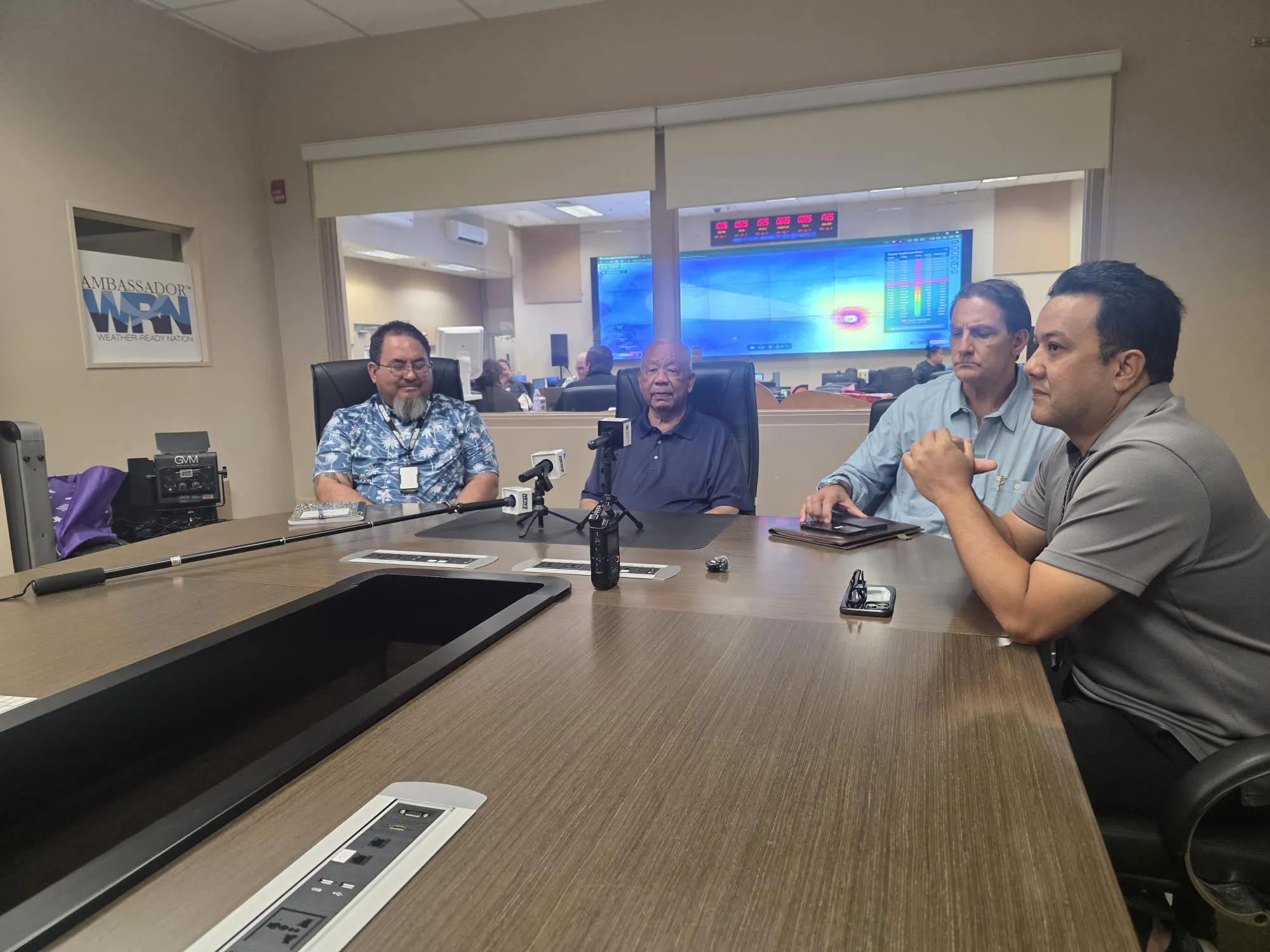
Close to two months ago, the House Committee on Public Utilities, Transportation & Communications met with CUC officials to discuss the “ever rising” power rate and what could be done about it. The meeting was livestreamed and the video is on YouTube. Listening to some of the lawmakers’ questions, I got the impression that they were exploring ways to blame the administration or CUC instead of asking CUC what they, as lawmakers, could do to “address the problem.”
CUC told them anyway: Delinquent government agencies must pay their utility bills which will allow CUC to invest in better equipment and better technology. This will reduce fuel consumption, and the savings can be passed on to CUC’s customers.
“Our power plant engines are very obsolete,” a CUC power plant official told lawmakers; “they require a lot of maintenance, and are very inefficient….”
One of the lawmakers asked (believe it or not): “Isn’t it time for change at power plants? Those engines are what? 1970s, 1980s?”
“ Yes!” CUC’s articulate deputy executive director said. “Yes sir absolutely,” he added. “Actually we’re beyond time… I would like to give a shout out to our maintenance staff…the power plants have exceeded their useful life. These engines should have died long time ago, but it’s really from the efforts of the staff…that they’re still running well beyond their useful life. Now that means they’re not as efficient as the engines that are available today, and CUC has plans, has been developing plans for years for these replacements. Our issue right now is funding. We have a number of outstanding accounts that have not been paid…they add up to millions, tens of millions of dollars…. Those funds would go to replacing equipment at our power plants that will make us more efficient, they will make us use less fuel to generate the same amount of electricity…. That’s really the holdup right now for proceeding with installing those new energy efficient engines and pursuing other alternatives.”
Let me point it out again. CUC made this statement to the branch of government that can appropriate utility payments owed by the government.
When the discussion veered off into “cost-efficient ways,” another lawmaker asked, “How come we haven’t done that yet?”
So CUC had to say it again.
“We don’t have the funding…. My understanding is that our outstanding payments due…is in excess of $75 million….” About 71% of the amount was owed by the government. CHCC had the largest unpaid utility bill.
“If we were to receive payments,” CUC’s deputy executive director said, “[they] would [be] direct investments in our operations and maintenance expenses [allowing us to] replac[e] equipment…so any assistance that we can have in catching up on some of these arrears… we’d appreciate that.”
Amazingly, this was one of the follow up questions to CUC:
“How do we know that CUC is doing everything they can to keep costs down?”
This was coming from an official of a bloated government that has consistently overspent if not wasted public funds year after year regardless of whether or not it has enough funding.
Once again, CUC had to say what it had been saying every time we complain about our power bills:
“The rate structure is flat, so regardless of the expenses of CUC, the customer pays the same rate and has been since 2014.”
As for the monthly Fuel Adjustment Charge or FAC! (exclamation point optional), CUC said “it’s not even a full-cost recovery; CUC is actually losing on that. The amount of money that we are charged for fuel exceeds the amount of money we collect for FAC. There are additional charges on top of the FAC that CUC has to come up with.” And these include additional fees “for docking, insurance,…freight charges, other sub-charges.”
CUC, again, reminded lawmakers that there is a need for “more efficient equipment that reduce our operating and maintenance expenses…because right now we’re operating engines that are far beyond their useful life. As a matter of fact, the engine manufacturer has recently notified us that they will no longer be able to provide us [with] repair parts so when the engines break there will be no parts available at some point. We…need to replace this equipment…it is that old.”
CUC said it is “paying Aggreko monthly because that’s what we can afford right now. If we have the money to invest in our infrastructure, in our electric grid we would be able to proactively replace these units.”
A supplier of temporary power generation equipment, Aggreko, for the past three years, has been paid by CUC $300,000 a month plus fuel. CUC said it has ordered a new engine, but Aggreko “will remain in place until we have the ability to produce the power they’re supplying right now.”
One lawmaker said, “All the money we’ve spent renting Aggreko we could have owned…things, but we have no choice because without Aggreko we would have rolling blackouts….”
“We’re paying Aggreko monthly,” CUC said, “because that’s what we can afford right now. If we have the money to invest in our infrastructure, in our electric grid we would be able to proactively replace these units.”
Meantime, CUC said it has “to figure out a way to survive, and part of that survival is not reinvesting in the infrastructure that we need desperately to be more efficient….”
CUC then reiterated that “if we can receive those arrears payments we can reinvest in our infrastructure, we can put in more efficient and renewable and reliable equipment that then will result in a cost savings for our customers — it won’t be an immediate change. We will need the income to come in, we need to invest in the infrastructure, and then we’ll start realizing savings.”
According to CUC’s deputy executive director, “Our power plant, the building itself, the engines, the generators they are old; they are long beyond their useful life and it’s the miracle workers that operate these facilities that have kept these engines running long beyond where they really should be, so I’m thankful for them for the work that they do, day in and day out, but at some point those engines and generators and the building itself needs to be replaced not only because we can’t get parts anymore…but because it’s the right thing to do for our customers so we can reduce the amount of fuel that we need to generate electricity….”
By far the best quote from a lawmaker in that meeting:
“I yield.”
Send feedback to [email protected]