




ON April 15, 1944, the 313th Bombardment Wing (Very Heavy) was constituted within the 20th Air Force under the direct command of General Henry H. “Hap” Arnold, U.S. Army Air Forces. Col. John H. Davies was chosen to command the wing and bring it to North Field, Tinian, after completing unit training at Colorado Springs, Colorado. The 73rd Wing would move to Saipan as soon as it was in American hands. The 58th Wing had moved to Kharagpur, India, and was flying over the Himalayan Mountains to a Chinese-built base at Chengtu, China. From there, they were bombing Japanese industrial targets in eastern China and Korea. America was preparing to take the war to Japan.
In December 1943, the U.S. Joint Chiefs of Staff had tentatively set the date for the invasion of the Mariana Islands for November 15, 1944. However, after Vice Admiral Raymond Spruance, then commander of the Central Pacific Fleet, launched a sneak attack against the Imperial Japanese Navy anchored in Truk (Chuuk) Lagoon (Operation Hailstone) on February 16, the strategic picture changed significantly. With Truk no longer a threat to their southern flank, the door was opened to Admiral Earnest J. King’s proposed second front in the Pacific.
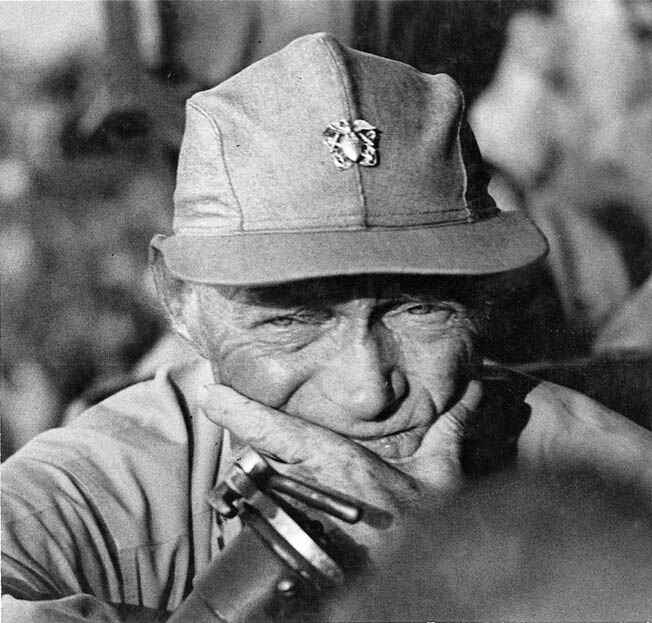
Marshall Admiral Mineichi Koga, Commander of the Imperial Japanese Navy Central Fleet, had retreated from Truk to Palau the day before Spruance arrived. Immediately after Spruance sank all the Japanese ships that had not escaped Truk Lagoon, he ordered Rear Admiral Marc Mitscher to raid the Mariana Islands, do as much damage as possible, and gather photographic intelligence. It would be the first time an American aircraft had flown over the Marianas since the war began in ‘41.
Admiral Nimitz, himself a submariner, had already ordered Vice Admiral Charles A. Lockwood’s submarine forces to establish a blockade of the Marianas. They arrived on station just north of Saipan on January 31. As soon as the imperial Japanese naval air forces at Saipan and Tinian detected the approaching American carrier fleet, Japanese ships in the Marianas attempted to escape to the north, only to run into Lockwood’s experienced wolf packs. Each Japanese ship they detected received a one-way ticket to Davy Jones’s Locker.
Meanwhile, other unit commanders who would participate in the proposed invasion of the Marianas, Operation Forager, began to arrive at Pearl Harbor, Hawaii, on February 15, to initiate combined planning.
As ordered, Mitscher’s flyboys wreaked havoc on Guam, Rota, Tinian, Saipan and Pagan from February 21 to 23, Marianas’s time. Civilian and military personnel alike ran for their lives. Most found nowhere to hide from the intense firepower that spewed from the hundreds of American aircraft that dominated the skies above. The reconnaissance photos revealed that the Japanese were not prepared to defend the Marianas against an invasion. Admiral Nimitz, Commander-in-Chief, Pacific Ocean Areas, subsequently proposed that the invasion of the Marianas be moved up — the objective: attack before the enemy can react.
On March 11, Admirals Leahy, King and Nimitz met with President Roosevelt to discuss the situation. The following day, the Joint Chiefs of Staff confirmed that Nimitz was to occupy the Southern Mariana Islands on June 15, 1944.
On March 28, Admiral Nimitz issued a directive allotting the major forces that would be utilized in the invasion of the Marianas. Admiral Spruance, working with Vice Admiral Richmond Turner, now commander landing troops, would flesh out the plan.
For the civilian populations on Guam, Rota, Tinian, Aguiguan, Saipan, and Pagan, their lives had literally gone to Hell. They had been forced out of their homes, their businesses destroyed, and chased into the jungle by Mitscher’s raid. Naval aviators from fifteen American aircraft carriers had swept through the islands to destroy Japanese aircraft, airfields, ships, harbor installations and communication centers. The sugar and alcohol factories on Saipan and Tinian were destroyed, and with them the livelihoods of thousands of innocent Japanese, Okinawan, Korean, Chamorro and Carolinian civilians. Many died. Rota, which was not included in the invasion plans, would become the most bombed island in the Pacific.
Although the February raid was horrible, it was nothing compared to what would happen to the Mariana Islands on June 15, 1944.
Further details on the planning for Operation Forager are in Chapter 4 of “Seabees and Superforts at War,” available at Pacific History Parks visitors centers on Saipan and Guam, as well as Jeff’s Pirates Cove, UOG Bookstore, Bestseller Books, and Faith Bookstore on Guam, Marianas Creations on Saipan, and the Hanger gift shop at Tinian airport, JC’s Café, and Huang Shun store on Tinian.

Adm. Marc Mitscher
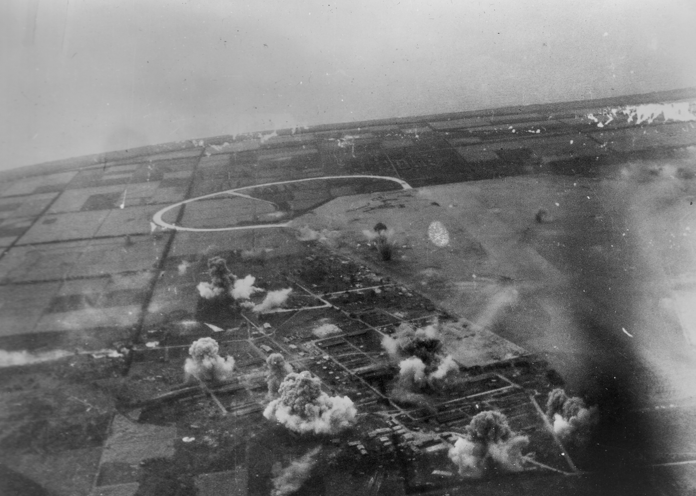
The bombing of Hagoi airfield.
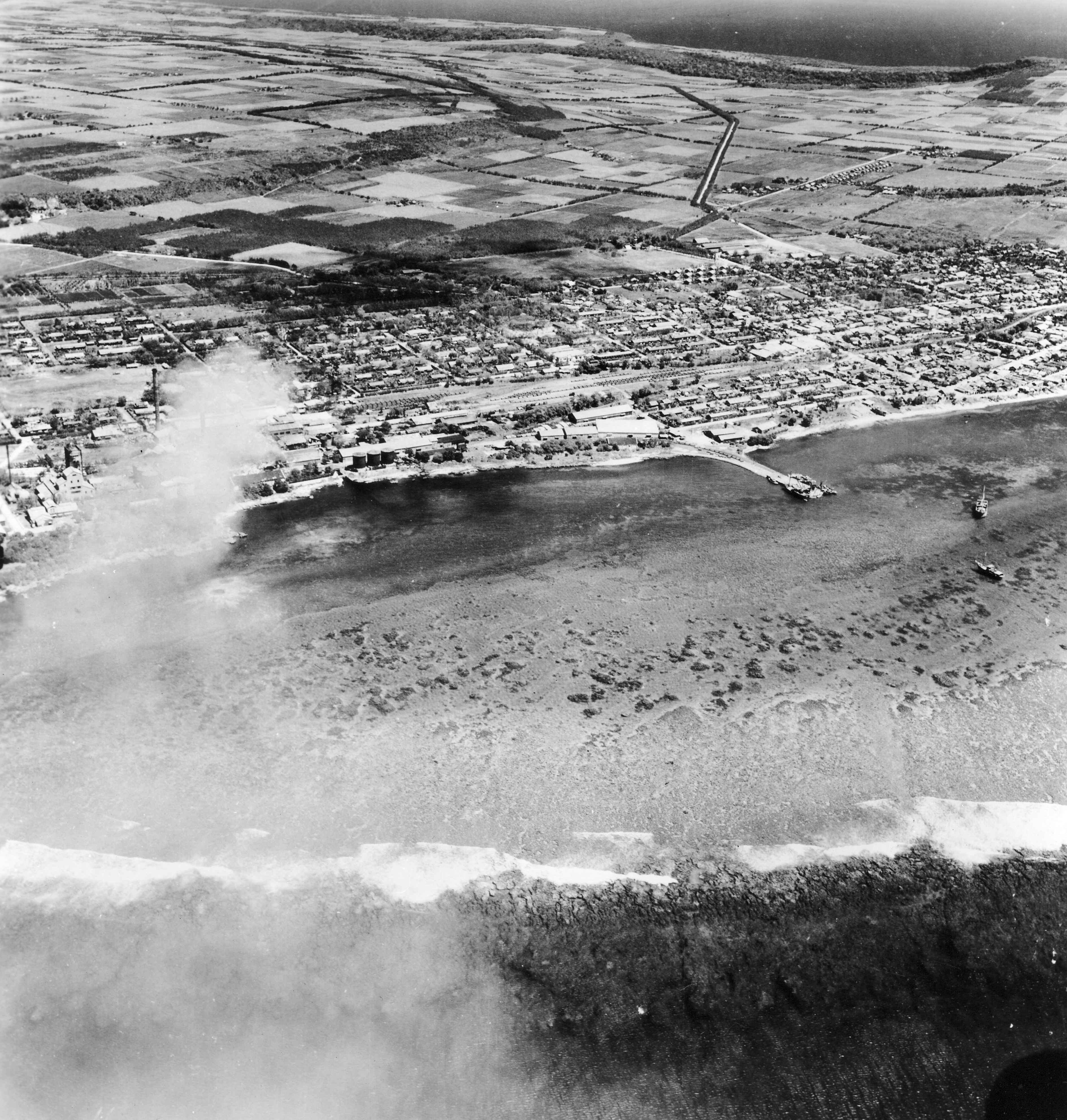
The first bomb hits West Tinian town.
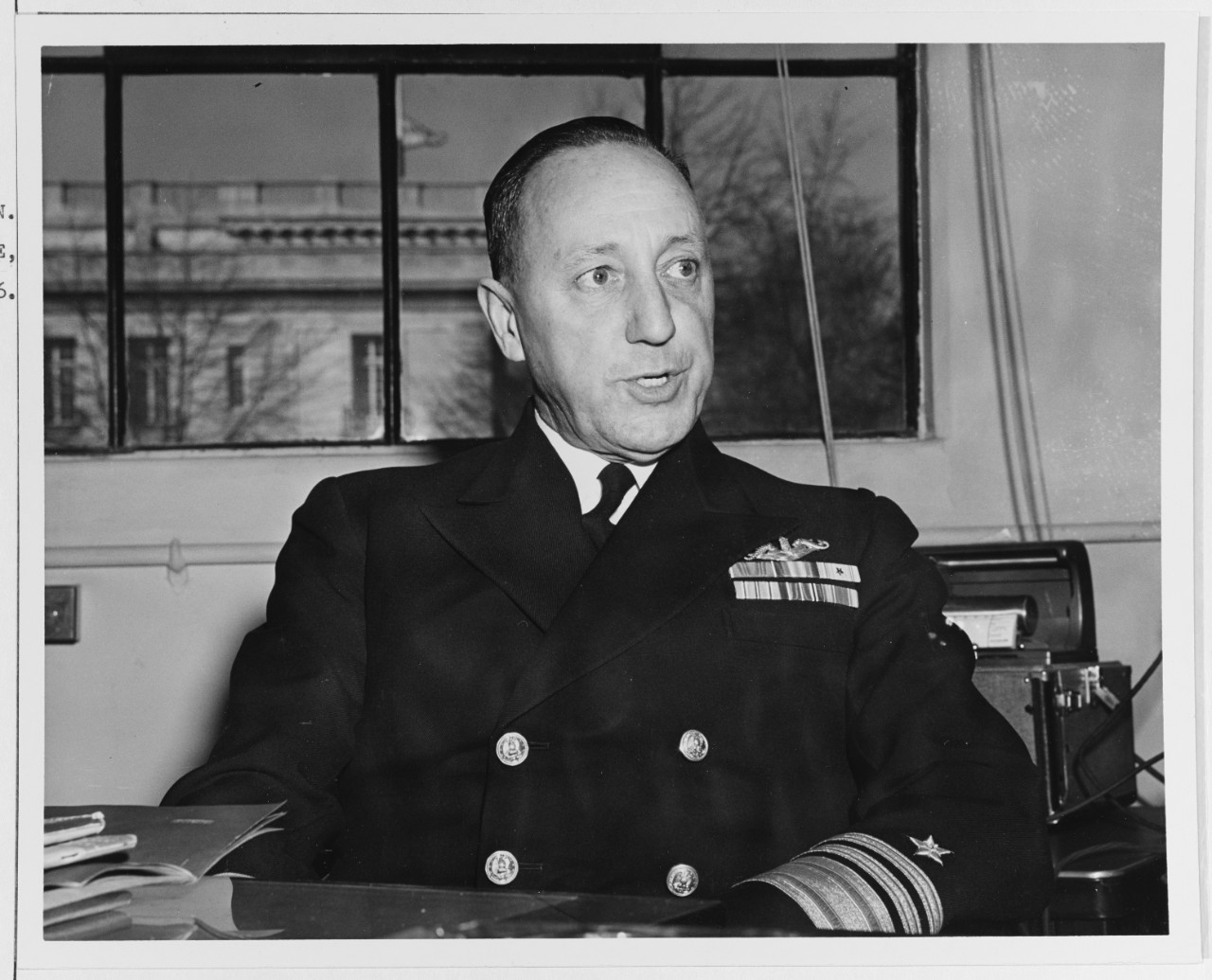
Vice Adm. Charles A. Lockwood
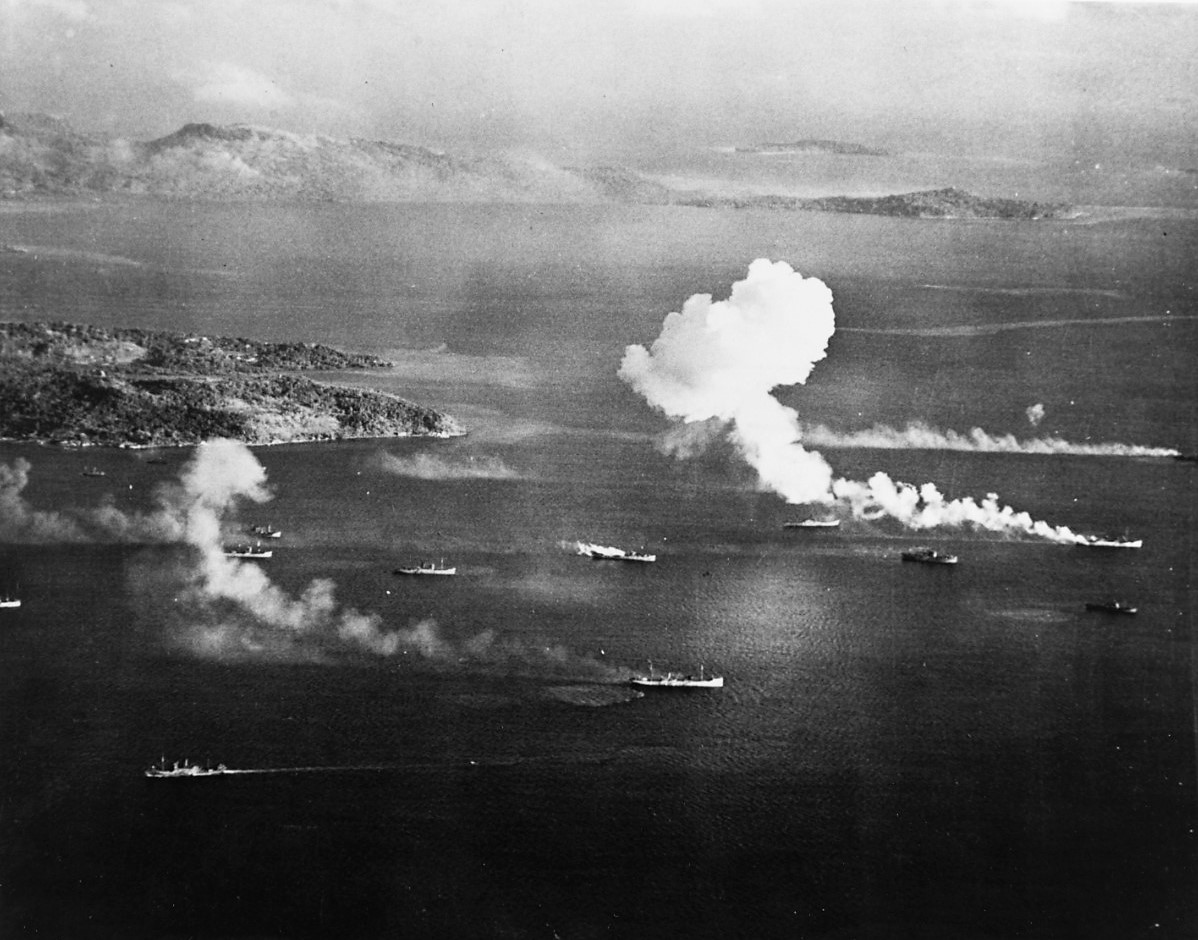
Japanese ships under attack in Truk Lagoon during Operation Hailstone, Feb. 17, 1944.
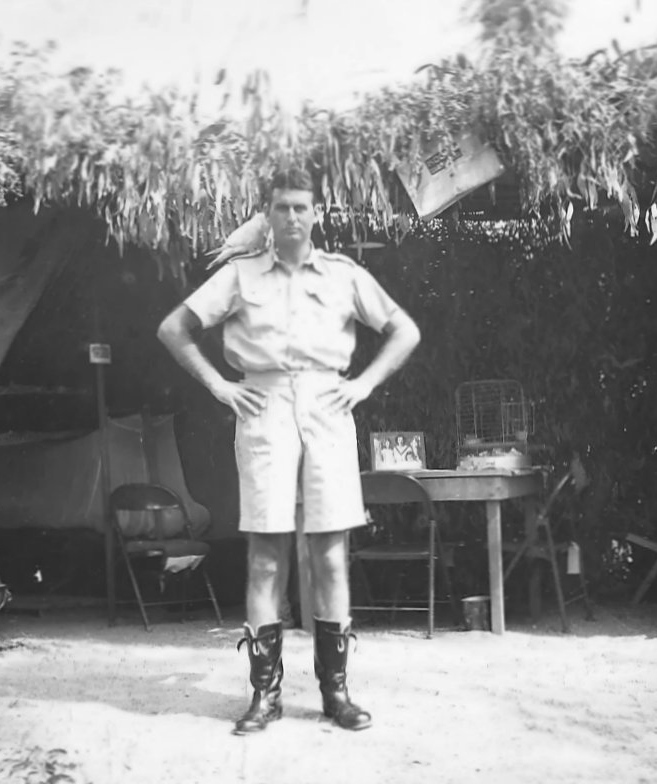
Col. John H. Davies
