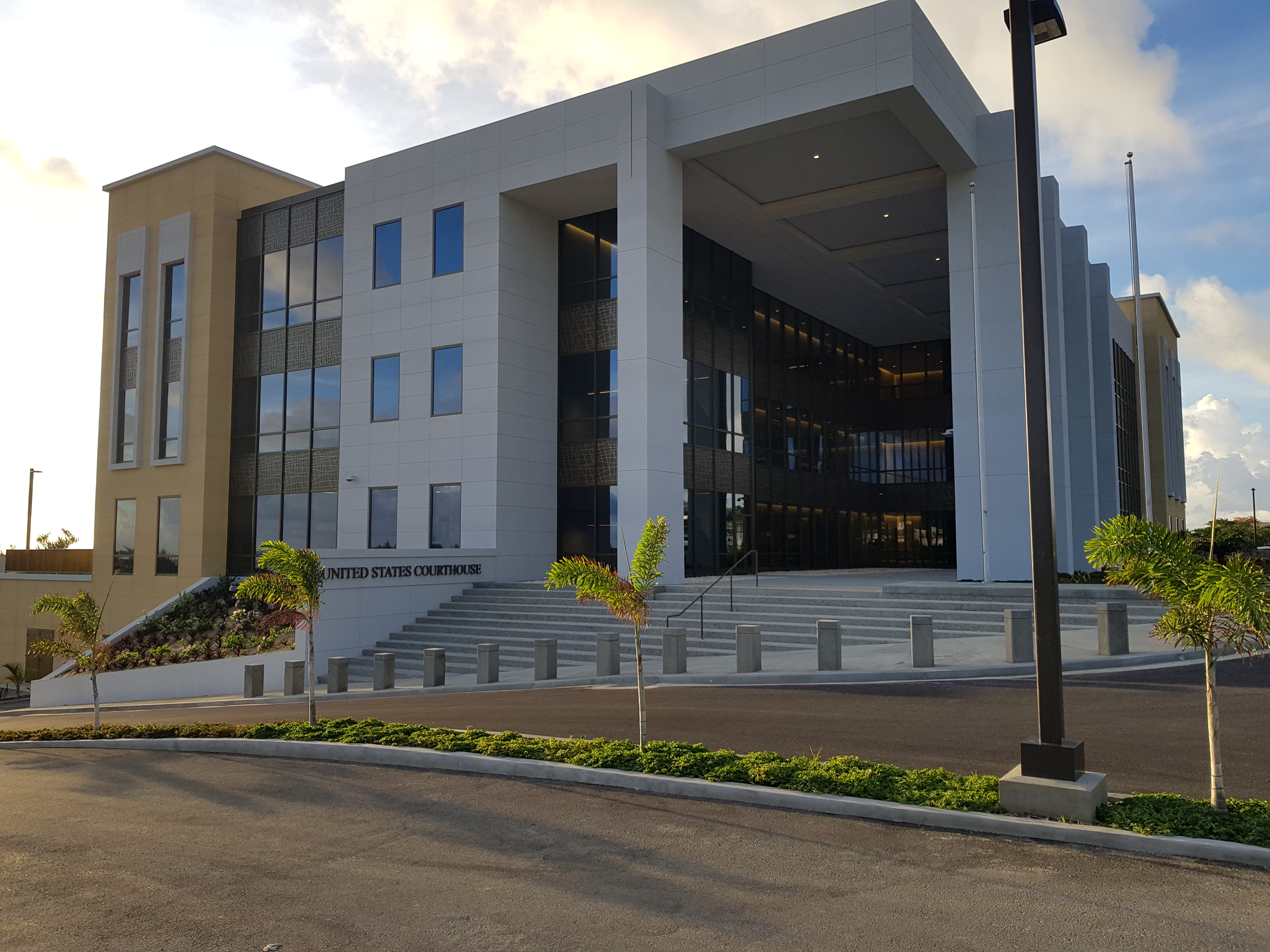



MIR Corporation, doing business as Toha Supermarket, has been sued in the District Court for the NMI by three former employees who are alleging labor violations.
Md. Ashiquzzaman, Mir Fozle Mehedi and Md. Sazedul Islam, through the law firm of Banes Horey Berman & Miller, LLC, asked the court for an order awarding them damages in an amount to be proven at trial.
According to the lawsuit, Mir Corporation is engaged in the business of retail trade, construction and farming, among other things, with its principal place of business in San Antonio.
Ashiquzzaman was employed by the defendant from July 2016 to December 2018, primarily as a butcher at Toha Supermarket.
From September 2016 to June 2017, Mehedi was employed by the defendant, primarily doing maintenance work and farming.
From 2015 to March 2021, Islam was employed by the defendant, primarily doing various jobs in Toha Supermarket.
The lawsuit stated that the plaintiffs were regularly paid for their work less than $6.05 an hour.
It added that the plaintiffs’ regular time and overtime wages paid by the defendant were lower than the amount prescribed for the CNMI at the time by the Fair Labor Standards Act of 1938, and the Fair Minimum Wage Act of 2007.
The lawsuit further alleged that the defendants threatened the plaintiffs with serious harm, and subject them to involuntary servitude and debt bondage.
“Defendants knowingly confiscated and possessed Ashiquzzaman’s and Mehedi’s passports in the course of the aforesaid conduct, to attempt to prevent or restrict without lawful authority, said plaintiffs’ liberty to move or travel, in order to maintain their labor services,” the lawsuit stated.
Moreover, the lawsuit stated, “defendant collected recruitment fees from Ashiquzzaman and Mehedi in the amount of at least $10,000 each, upon the representation that they would work at good jobs on Saipan, earning salaries of up to $2,000 per month, and obtaining permanent U.S. residency. Defendant collected fees in the total amount of $1,200 from Islam upon the representation that he would use the funds to obtain a CW-1 visa for Islam. Defendant’s representations were knowingly false when made, and were made for the purpose of deceiving plaintiffs and enriching defendant at plaintiffs’ expense. Plaintiffs reasonably relied on defendants’ misrepresentations to their detriment.”