


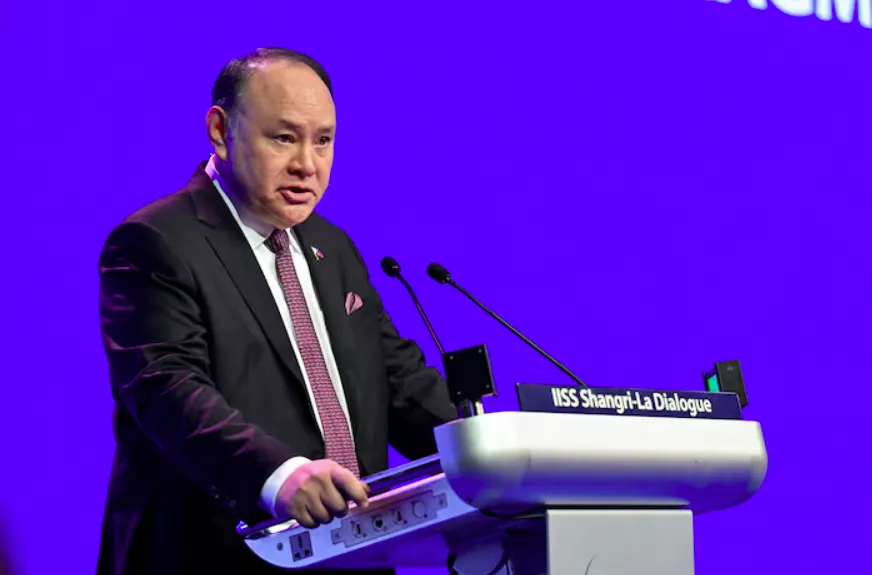





REPRESENTATIVE Richard Lizama on Friday introduced House Bill 22-69 seeking to repeal the law that provides a housing benefit for the governor, the lt. governor and the presiding officers of the Legislature.
Speaker Edmund S. Villagomez referred the measure to the House Judiciary and Governmental Operations Committee chaired by Rep. Celina Babauta.
Lizama’s bill states that “there is no legal basis or public purpose justification for taxpayer-funded payment of utilities at the private residences of elected officials.”
Moreover, amid an “economic downturn” people are also struggling to recover from the super typhoon and the impact of Covid-19 pandemic so the government is compelled to cut unnecessary costs and prioritize limited resources for essential needs, the bill stated.
“As the Commonwealth’s citizens bear the burden of paying their own housing and their own utilities, so should the Commonwealth’s highest-paid government officials, and the government must live within its means,” the bill also stated.
Enacted in December 1980, Title 1, Division 8, Part 2, Chapter 2, Article 1 provides government housing for the governor, the lt. governor, the Senate president and the House Speaker.
H.B. 22-69 noted that today, all government facilities previously used for housing for the governor, the lt. governor and the presiding officers of the Legislature are derelict, abandoned, or converted to government offices. In the absence of these government buildings, the Department of Finance has permitted the use of the housing funds to pay for the utilities of the private residence of the top elected officials.
Financial disclosure bill
Also on Friday, Rep. Edwin Propst introduced H.B. 22-61, which will repeal Public Law 8-11 or the Government Ethics Code Act of 1992 and reenact it as Public Officials Disclosure Act of 2021.
The bill states that a public official’s source of earnings, investments, and properties should not influence what bills she/he introduces or supports. Unfortunately, the bill states, current CNMI laws regarding disclosures of public officials’ financial information are not conducive to transparency.
H.B. 22-61 requires each government official to file with the Office of the Public Auditor, on or before Aug. 1 of the year of enactment, and May 1 every year thereafter, a written report containing the financial information, covering the preceding calendar year (or other year if the individual official files a Commonwealth of the Northern Mariana Islands Income Tax Return covering a period other than the calendar year).
The financial report of the official or candidate shall include a complete account of the official’s or candidate’s gross income and that of the spouse and dependent children.
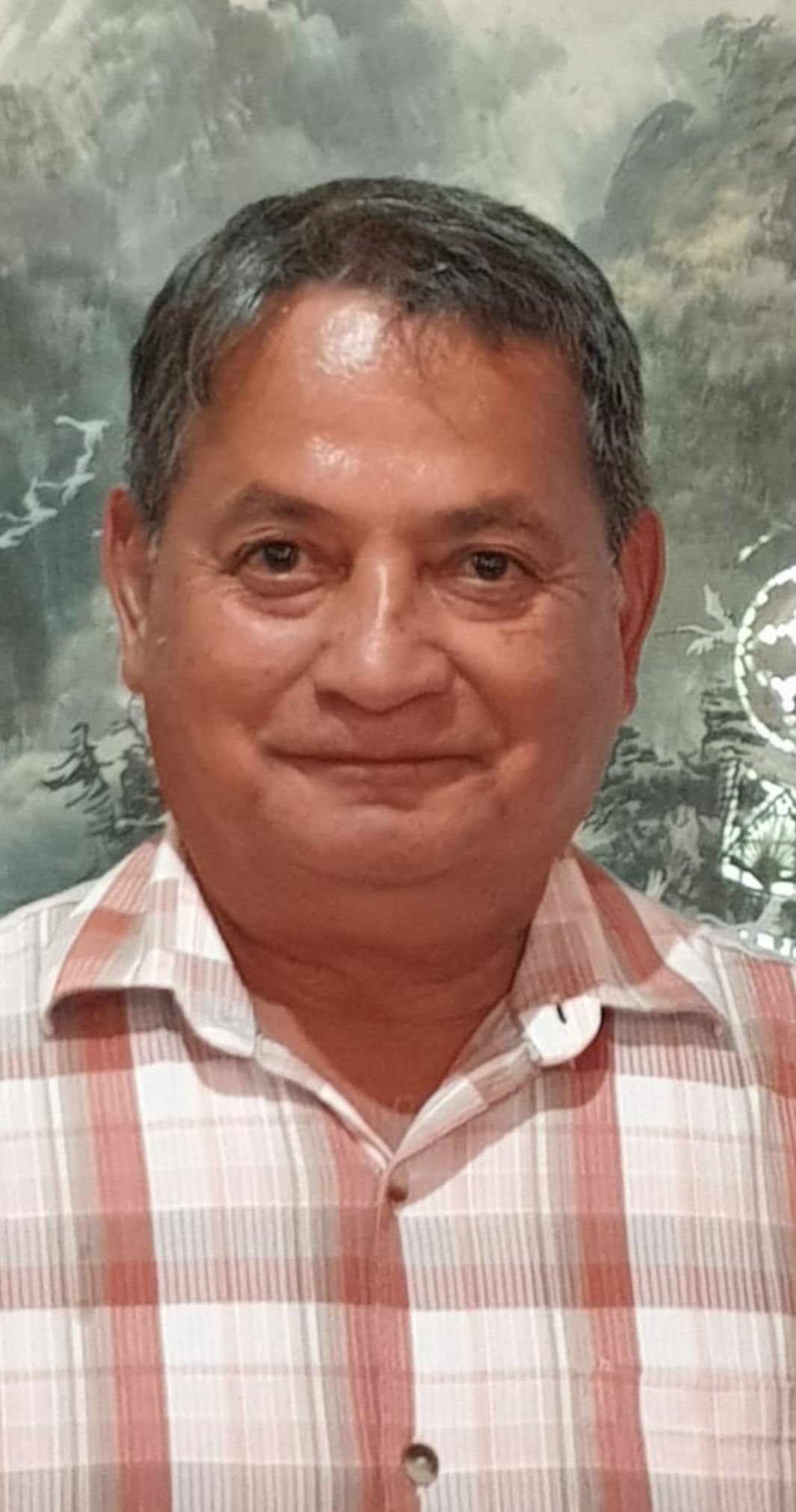
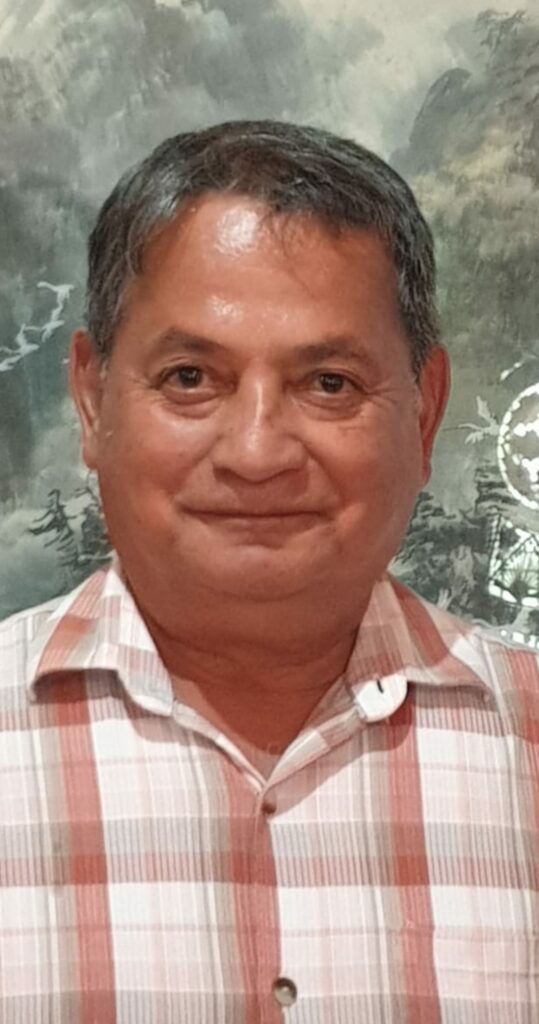
Richard Lizama
