




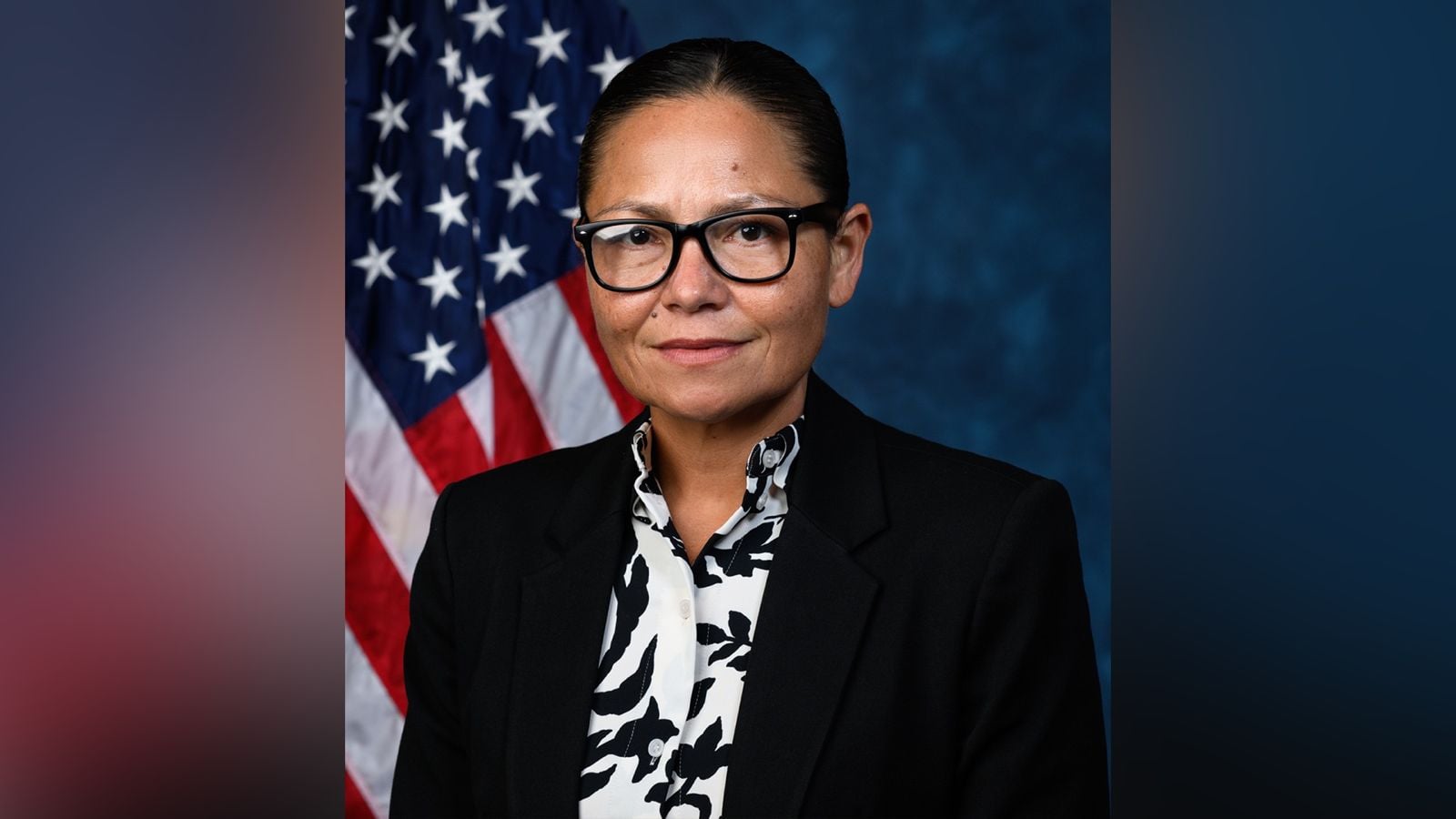


She added, “That is going to create a negative selection effect for the [Fund] board to find qualified advisers and money managers.”
Wilshire advises agencies handling pension assets of over $700 billion.
Although it considers the CNMI Retirement Fund as an important client, Ralbovsky said, “You have to face it. Wilshire can live without the CNMI.”
In an interview Monday night, Ralbovsky said S.B. 17-43 strips them of protection against frivolous lawsuits.
If it becomes law, “we have to re-evaluate whether we can continue to do business here,” she said.
Wilshire, she added, sent a letter to the governor last week expressing their concerns with the bill.
“We’re really hoping it doesn’t become law in its current format. We hope some of our feedback can be considered and the bill can be changed.”
She said Wilshire did not contract with the beneficiaries of the Fund but with the agency itself.
Under the bill, she added, “people can sue you for any reason just because they think you harmed the Fund. They do not have to prove it to sue you. Therefore, it creates a situation where we may have to spend a lot of resources to defend ourselves and eventually we may find out the lawsuit was groundless. But still, in the interim, you already spent this much money to defend yourself. It will really increase the cost of doing business significantly.”
She described the measure as “one sided” and “unfair to the vendors of the Fund who already have contracts in place.”
If the bill becomes law, it can void contracts already in place and impose new conditions not agreed upon by the other party, she said.
The Fund has asked the governor to veto the bill.
He has until Sept. 24 to decide what action to take.
