






“Dismissal is warranted where the complaint lacks a cognizable legal theory or where the complaint presents a cognizable legal theory yet fails to plead essential facts under that theory,” said Assistant Attorney General Braddock Huesman.
He also told Associate Judge David Wiseman that Baka should not have been named in the lawsuit because Sablan didn’t make the Open Government Act request to him but rather to Fitial and Inos in two separate occasions.
There will be a hearing on March 26 at 1:30 p.m.
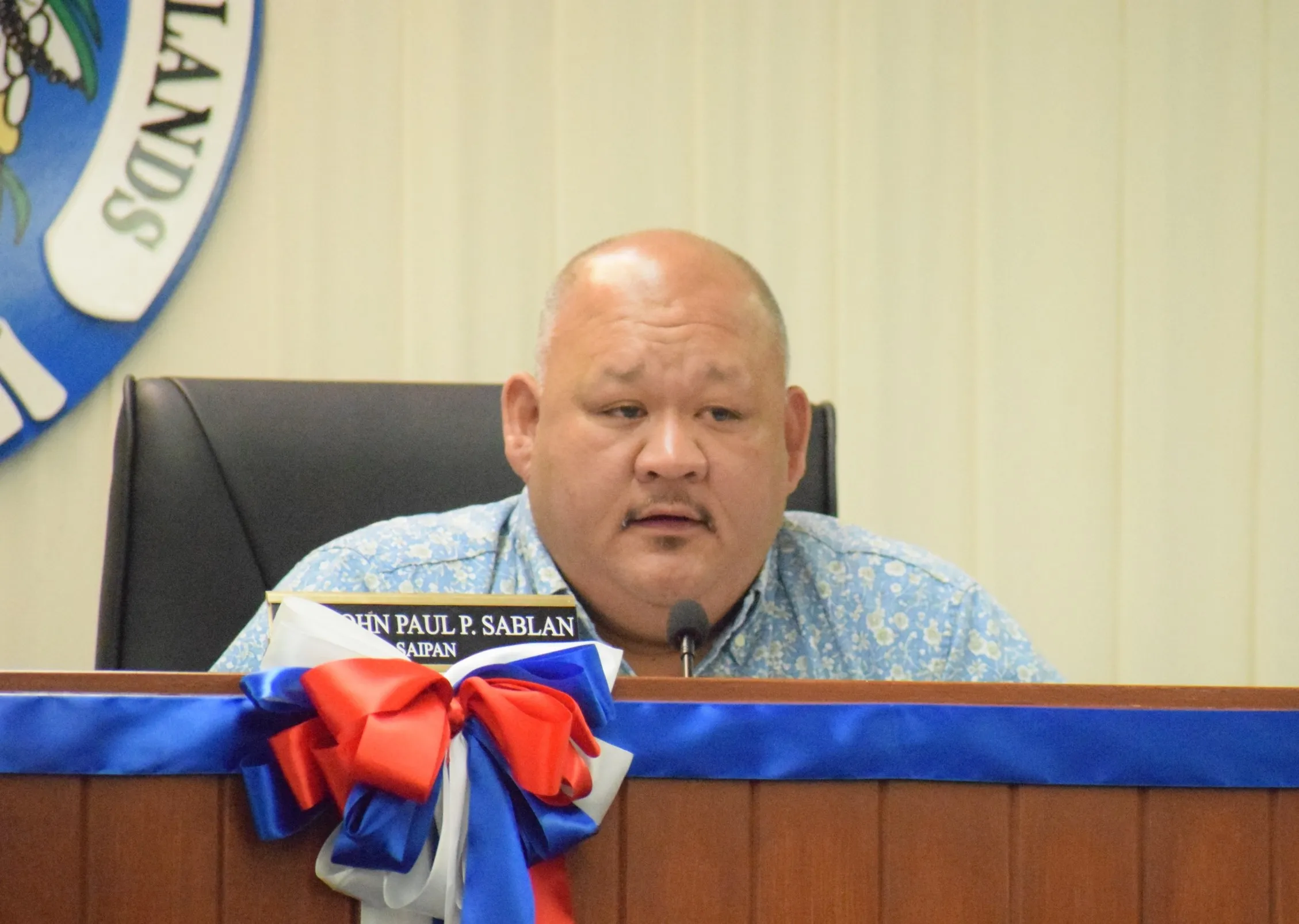
Sablan, Ind.-Saipan, filed a petition for mandamus against the defendants late last month to compel them to disclose public records relevant to funds used to pay the Washington-based law firm Jenner & Block.
The firm has been retained for $50,000 a month since June 2008 to sue the U.S. government over the federalization law or U.S. Public Law 110-229.
Baka has acknowledged that public funds from the governor’s account have been used to pay Jenner & Block.
But he refused to divulge more information, saying the Open Government Act exempts matters involving ongoing litigation.
Huesman said Baka, acting on behalf of the governor, responded to Sablan’s Open Government Act request.
“Upon examination of the plaintiff’s complaint, one thing is clear. She never requested anything from acting Attorney General Baka. The complaint, and exhibits attached thereto, reveal that [Sablan] sent two letters, one to the governor and one to Secretary Inos,” said Huesman.
“As no request was made of acting Attorney General Baka, it is impossible to hold him responsible for not complying with the [Open Government Act],” he added.
The government lawyer said the defendants are also entitled to qualified immunity which is available to officials “who err in their duties so long as the mistake is one that a ‘reasonable’ officer could have made.”
“The plaintiff seeks relief personally from the defendants she has named only in their official capacities. The defendants believe that the appropriate remedies in this case are directed at the officials or, more precisely, their offices or departments,” said Huesman in his motion.
“Thus, while this court is free to operate within the confines of the Act, the defendants assert the defense of qualified immunity to any relief sought that is outside the Act and that therefore the defendants could not be aware of when making decisions,” he added.
