

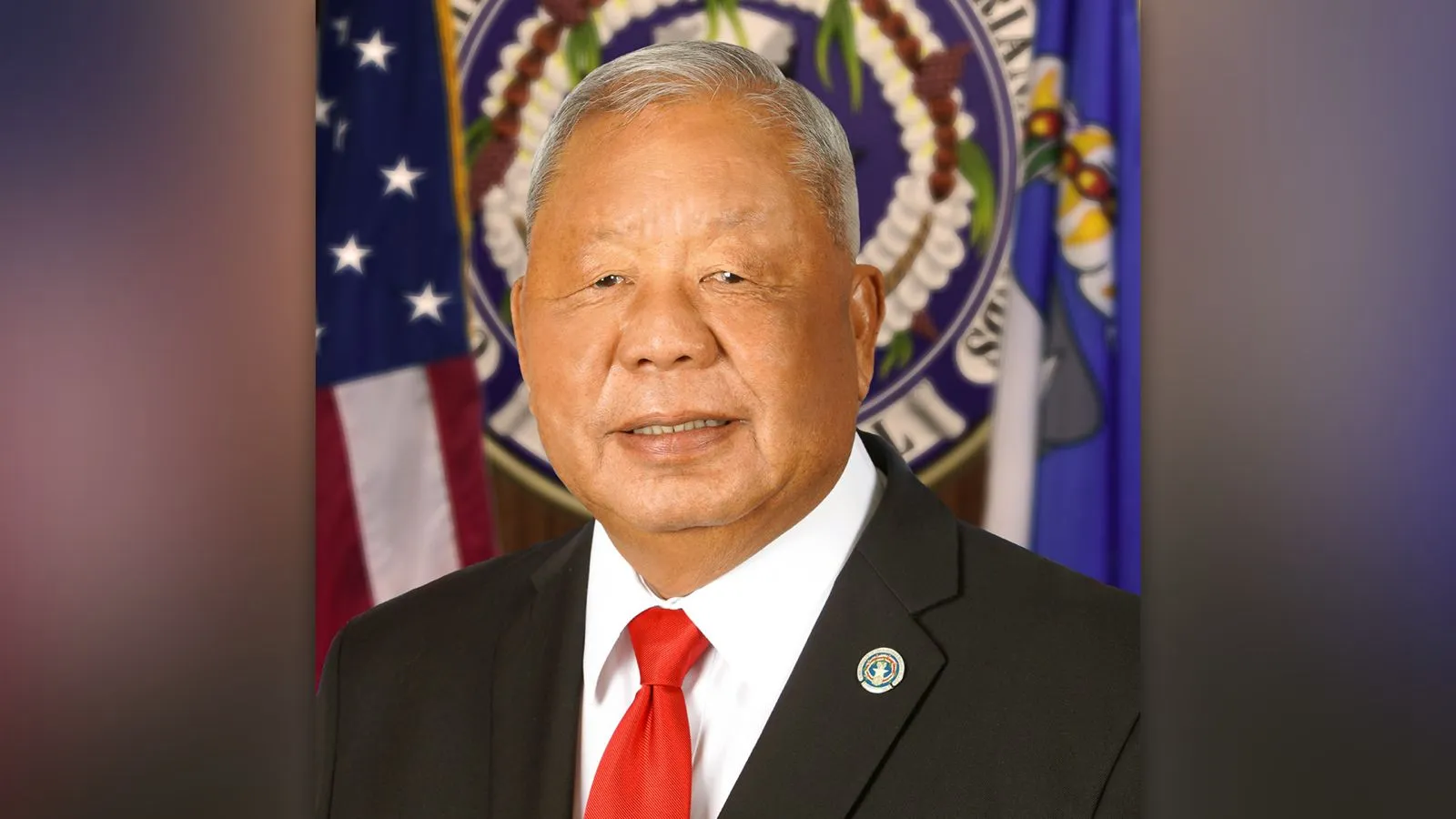


The governor made the request when he offered congressional testimony for H.R. 6015 last week before the U.S. House Subcommittee on Insular Affairs, Oceans and Wildlife that Guam Congresswoman Madeleine Bordallo chairs.
He said Guam’s economy is heavily dependent on the tourism industry and emerging markets should be tapped to improve it.
“At a time when the strategic outlook for Guam’s main market (80 percent Japan) is in negative trajectory because of low birth rates and aging demographics, the need to diversify our tourism market base becomes very compelling, and a more responsive visa waiver policy even more in demand,” he said.
The Guam-CNMI Visa Waiver Program took effect on Nov. 28, 2009 but excluded China and Russia from the list of countries privileged to enter the islands without a U.S. visa.
Camacho said the selective policy in admitting Russian and Chinese tourists between the two insular areas is “clearly at odds with the intent of the U.S. Congress to have a unified visa waiver policy for the Marianas.”
He noted that early this month two charter flights from Shenyang, China to Guam was canceled because of the lack of a visa waiver program for Guam.
“A fully implemented visa waiver policy would have made these two charters possible as the U.S. Congress had intended when it passed Public Law 110-229,” he said.
He also pointed out the success of the current Guam Visa Waiver Program enacted in 1986, which now includes a list of 38 countries foreign nationals can visit from.
Without an expanded visa waiver program including China and Russia, Camacho said Guam’s tourism economy will shrink by 32 percent in five years from $1.2 billion to $810 million.
“Tourism is Guam’s single largest industry and it is imperative that we continue to refine the tools necessary to grow and sustain this sector of the economy that directly and indirectly employs some 20,000 island residents,” he said.
