


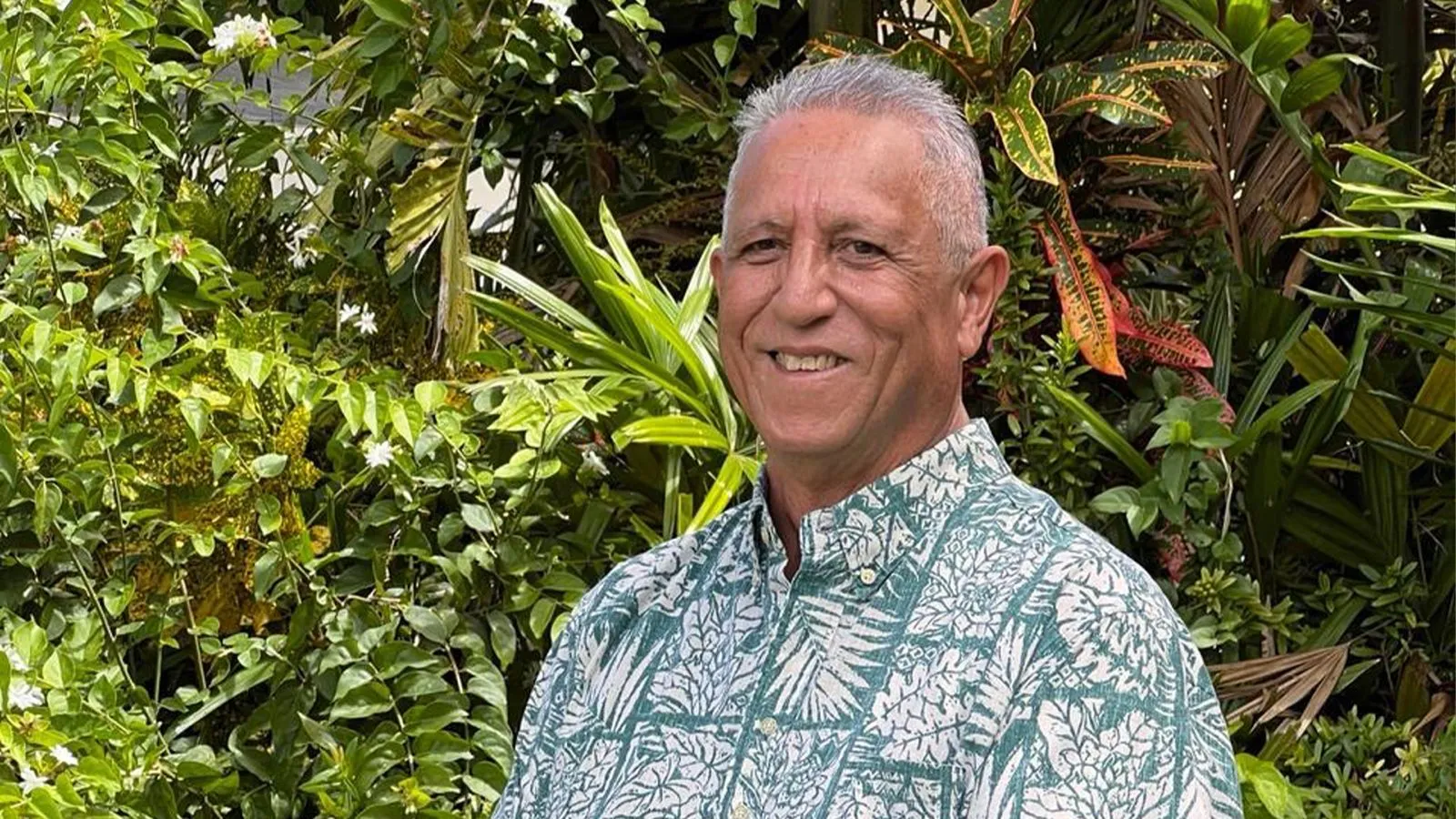



A member of the House Committee on Health and Welfare, Deleon Guerrero, Ind.-Saipan, said in an interview that over the years, the government has been “granting perks” to retirees.
The Retirement Fund is getting too little but giving out too much, he said.
Now that the pension agency is projected to run out of money in the next seven to eight years, he said “we should start cutting certain benefits” in order to prolong its life.
The CNMI government owes the Retirement Fund over $317 million.
Although Judge Kenneth Govendo in August ordered the government to pay a 30 percent contribution rate for defined benefit plan, the fiscal year 2011 budget law allots only 20 percent.
Deleon Guerrero said for the last five years, the Retirement Fund has been asking the Legislature to come up with measures that will help the pension agency to stay afloat, and repeal the laws that have burdened the Fund with unfunded obligations.
It is unfortunate that the Retirement Fund has to continue withdrawing from its investments so it can pay the retirees, Delon Guerrero said.
Senate President Paul A. Manglona, Ind.-Rota, said he also sees the need to cut retirement benefits but “in a fair manner.”
He said they need to look at the “abuses” in the system first because there are areas in the retirement program where there are “runaway or uncontrolled” expenses.
Variety learned that there are government employees who adopted several children before they retired which required the Retirement Fund to pay them benefits “forever.”
There are also cases when some government officials received big pay raises a few years before they retire, and this high salary eventually became the basis of the retirement benefits they receive from the Fund.
Press Secretary Angel A. Demapan said the administration is always supportive of legislation that would benefit the Retirement Fund and its members.
“We believe that the Retirement Fund is something that needs to be protected,” he said.
The administration, he added, is asking all lawmakers to act quickly on bills that will help the Retirement Fund survive.
The administration also supports the passage of another pension obligation bond initiative that can be placed on the ballot in the next elections.
This time, Demapan said, public education should be conducted “really well.”
“Probably we can change the approach. We have to look at other options in doing the public education,” he added.
The previous proposal to float a bond for the Retirement Fund was rejected by voters early this month.
Among the pending measures that aim to help the Retirement Fund are Senate Bill 17-34 which allows the agency to provide compounding annual retirement bonuses in lieu of COLA; House Bill 17-98, which will stop accrued retirement and disability benefits beyond $75,000; and House Bill 17-99 which will provide for an actuary to determine the amount to be annually appropriated for the Fund.
H.B. 17-98 and 17-99 are still with the House Ways and Means Committee and were introduced by House Floor Leader George N. Camacho, Ind.-Saipan, while S.B. 17-34, introduced by Sen. Luis P. Crisostimo, Ind.-Saipan, has been passed by the Senate and is now in the House.
