


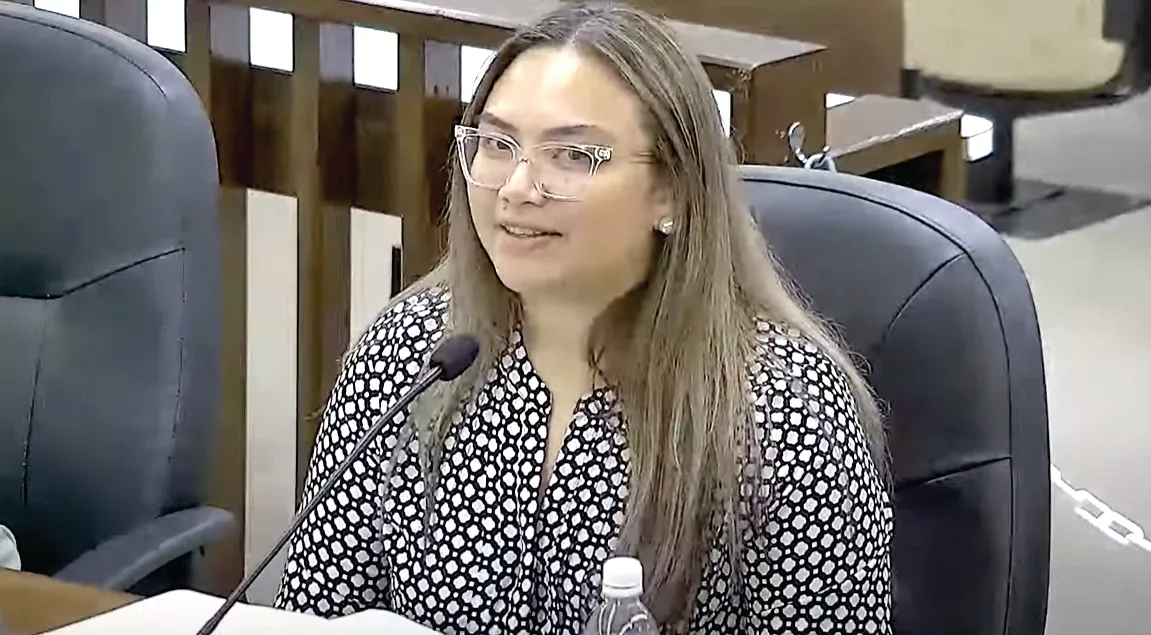




“We must pass a budget we believe in — and because we believe in it, we should go for an override in case the governor vetoes it,” Sen. Maria T. Pangelinan, D-Saipan, said in an interview on Friday.
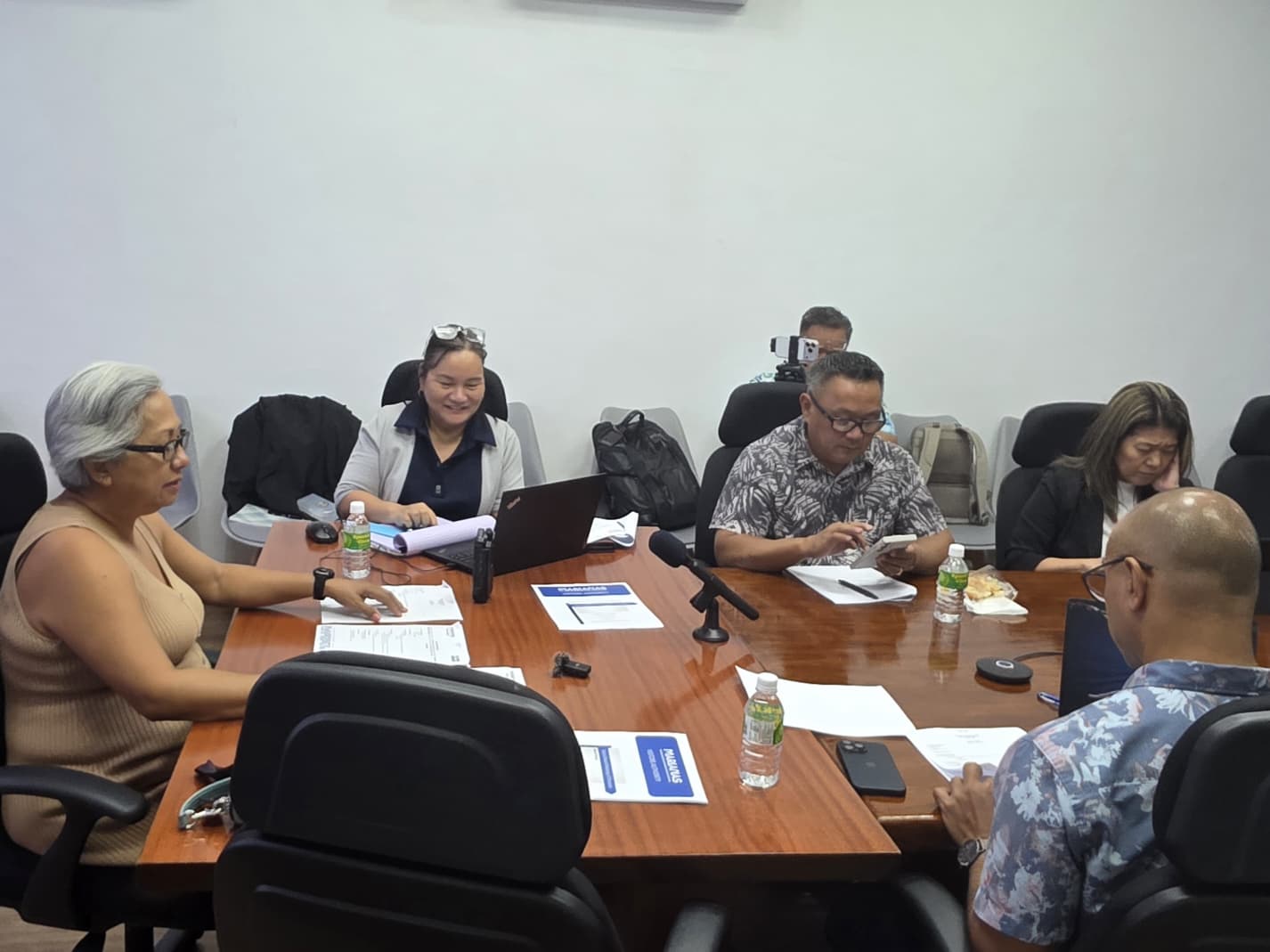
Pangelinan heads the three-member Senate team that is meeting with its House counterpart to draft an FY 2009 budget bill acceptable to all lawmakers.
“We’re moving along,” she said. “We already compromised on the austerity measures.”
The House opposes the austerity Fridays and no-pay holidays proposed by the governor and included in the Senate version of the budget bill.
Under the draft compromise budget bill, there will be no austerity Fridays/no-pay holidays in the first quarter of FY 2009 — from Oct. 1 to Dec. 31, 2008.
“But after the first quarter, the governor may make the necessary adjustments, depending on the actual revenue collections,” Sen. Paul A. Manglona, R-Rota, said in a separate interview. He and Sen. Joseph M. Mendiola, Covenant-Tinian, are the other Senate conferees. The House conferees are acting Ways and Means Committee Chairman Victor B. Hocog, Ind.-Rota, Reps. Edwin Aldan, Covenant-Tinian, and Justo S. Quitugua, D-Saipan.
Pangelinan said the budget is always “an estimate,” and the one they are drafting will be based on “new revenues that we hope will be enough to prevent austerity measures.”
It was the administration, she added, and not the Senate that proposed the inclusion of these measures.
She noted at the same time that “without clear-cut austerity measures in the budget bill, the governor may impose bigger cuts if we don’t meet the revenue projections.”
Without the austerity measures, she added, the government is facing a $9 million shortfall in FY 2009. The administration has proposed a $156.7 million budget for FY 2009.
“The bottom-line here is that the Senate is working with the House,” Manglona said. “And for the first time, we will pass a budget that reflects the actual number of government [full-time employees]. We’re almost there.”
According to Pangelinan, the Legislature must not give up its control over the government’s purse.
“If we don’t pass a budget, we will again give the governor the sole authority over the government’s finances — which should be our responsibility,” she said.
Pangelinan expects the House-Senate conference committee to approve a new version of the budget bill this week.
The CNMI Constitution allows the government to continue operating under the spending ceilings set by the last enacted budget law if no new budget is passed.
Since 1998, only three budgets have been enacted by the government, which continues to operate under the $163.5 million budget passed two years ago.
