



By Bryan Manabat
[email protected]
Variety News Staff
THE Commonwealth Utilities Corporation has filed its first major reimbursement package with FEMA — $75 million for the 90-day emergency period — but board members say the utility must urgently strengthen oversight to avoid losing federal funds.
The filing follows the major federal disaster declaration issued after Super Typhoon Sinlaku devastated the CNMI in mid-April, toppling hundreds of power poles, shredding transmission lines, and leaving more than 15,000 customers without electricity and water across Saipan and Tinian. Under the declaration, FEMA may reimburse 100% of eligible emergency work completed within the first 90 days.
In the weeks after the storm, CUC crews — supported by Guam Power Authority and other off-island responders — began energizing primary lines and restoring backbone circuits. Water service has also steadily improved, with more than 80% of customers now receiving water, though pressure remains inconsistent in some areas.
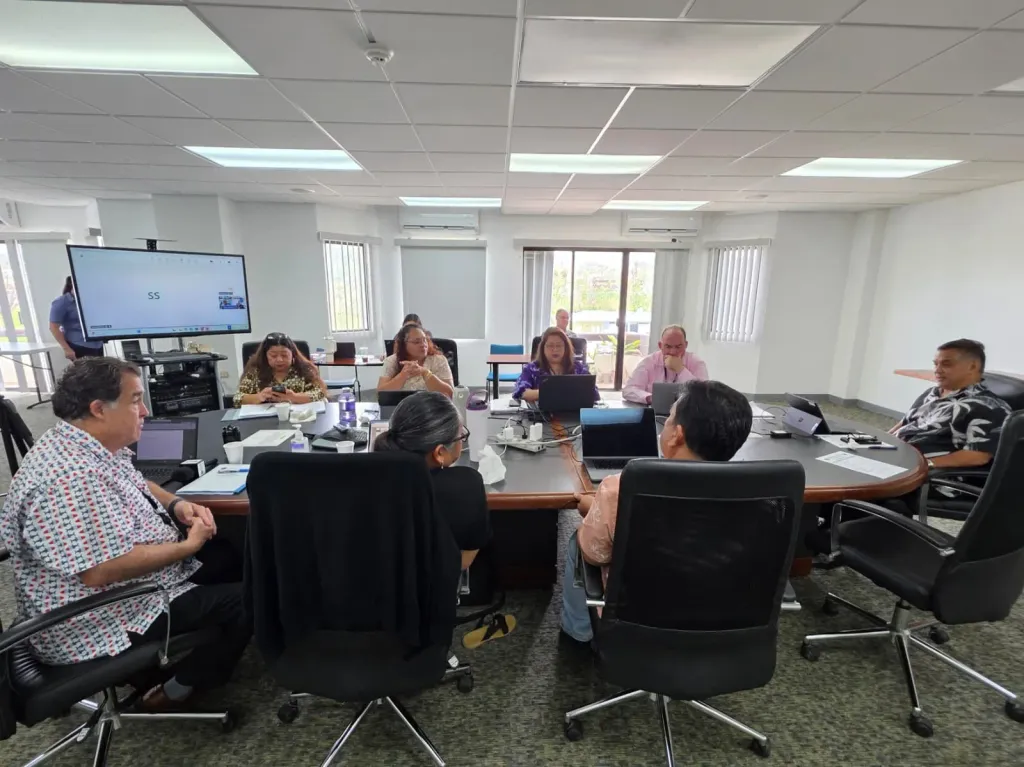
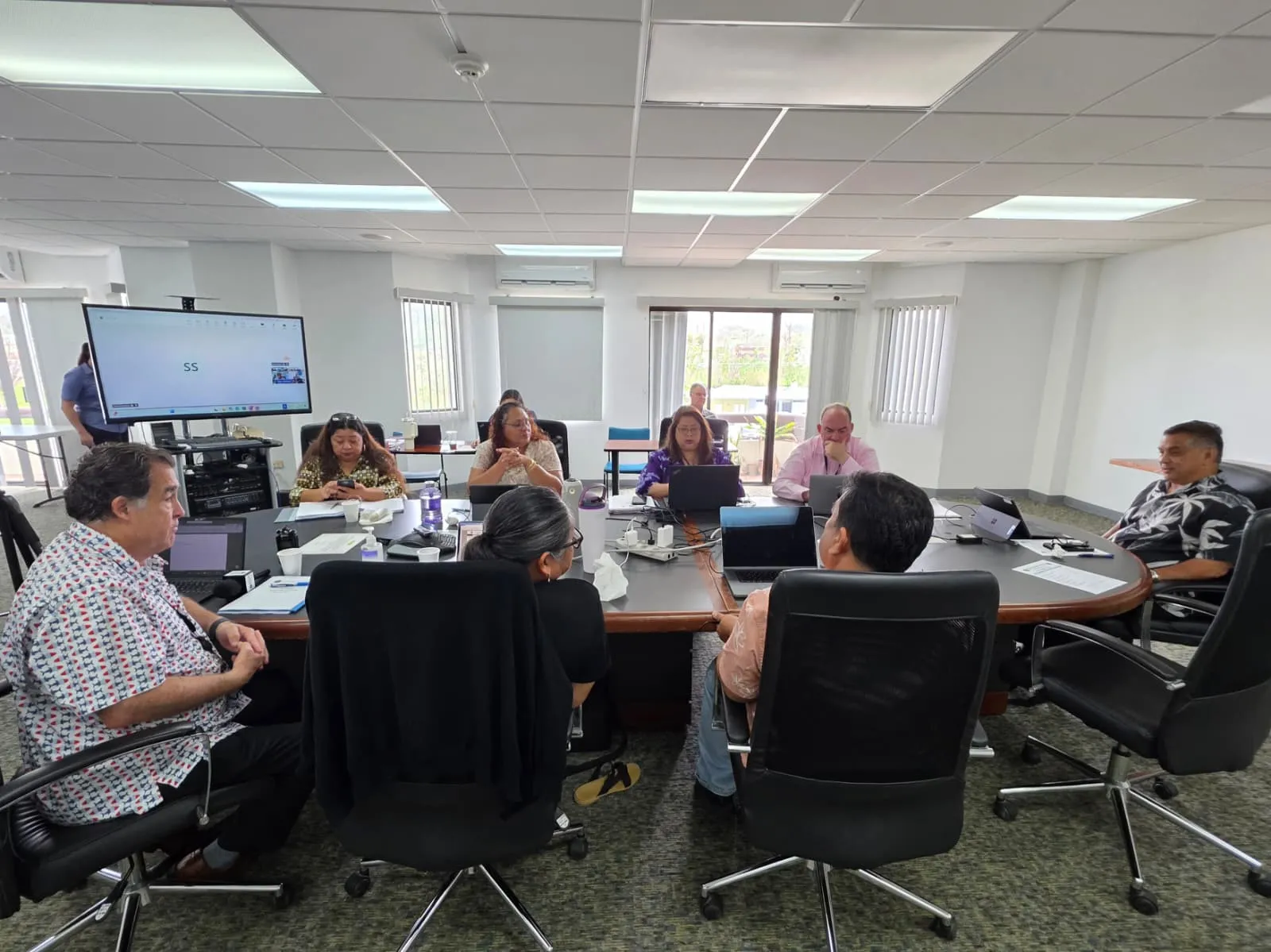
During the May 14 board meeting, CUC Executive Director Kevin Watson said the utility has begun submitting documentation to FEMA.
“We have started the filing process, and FEMA has approved 100% reimbursement for eligible work completed within the first 90 days,” Watson said.
Board Chairman Allen Perez immediately cautioned that FEMA’s approval is conditional.
“It’s approved if everything is documented correctly,” Perez said. “Do we have somebody at CUC capturing all the documents to make sure we qualify for the 100%? Who on our team is in charge of that?”
Perez, who is also overseeing Tinian’s recovery filings, said the board cannot afford mistakes.
“I’ve been through this drill before. It’s not my first rodeo,” he said. “Staff restored the power and water. Now it’s our job to make sure we capture every dollar.”
$75 million submitted; FEMA recalculates estimate
CUC Chief Financial Officer Betty Terlaje said the utility worked directly with FEMA representative Israel to meet the federal deadline. CUC initially projected $72 million in costs, but FEMA later recalculated the amount to $75 million.
“We wrote up all the projects, met with managers, gathered justifications and scopes of work, and submitted everything to Israel,” Terlaje said. “He recalculated some figures and revised the total to $75 million.”
The package includes a request for a 50% advance reimbursement, though FEMA has not provided a timeline for when the advance might be approved.
Terlaje said CUC is already preparing documentation for longer-term restoration and mitigation projects — including concrete pole replacements, tank repairs, fencing, and system hardening — that fall outside the 90-day window.
Category F, which covers permanent work, has not yet opened, but FEMA advised CUC to begin submitting materials so the category can be activated once the threshold is met.
Terlaje reminded the CUC board that Typhoon Yutu reimbursements remain incomplete, with some FEMA categories opening only years after the storm.
“Some categories opened three or four years later,” she said. “Labor was the last one. That’s part of the $9 million we’re still waiting for.”
Because FEMA reimbursements may take months or years, she said CUC will have to rely on its own cash reserves, which are already committed to payroll, contracts, and fixed costs.
Perez: CUC faces dual financial pressures
Perez said the board needs a clear financial strategy, especially with CUC’s fuel adjustment charge still far below the actual cost of fuel.
“We knew even before the storm that without an increase in the FAC rate, we had about three months of operations,” Perez said. “Now you throw recovery costs on top of that.”
He pressed management to explain how CUC will maintain basic operations while fronting millions of dollars in recovery expenses.
“Why am I not getting called on a daily basis saying we are in a critical financial situation?” Perez asked. “What exactly are we doing to manage this recovery and still operate CUC?”
Watson said FEMA has deployed a team to assist CUC with documentation and that all requests are routed through the governor’s authorized representative before moving forward.
Bryan Manabat was a liberal arts student of Northern Marianas College where he also studied criminal justice. He is the recipient of the NMI Humanities Award as an Outstanding Teacher (Non-Classroom) in 2013, and has worked for the CNMI Motheread/Fatheread Literacy Program as lead facilitator.
