




Salt.
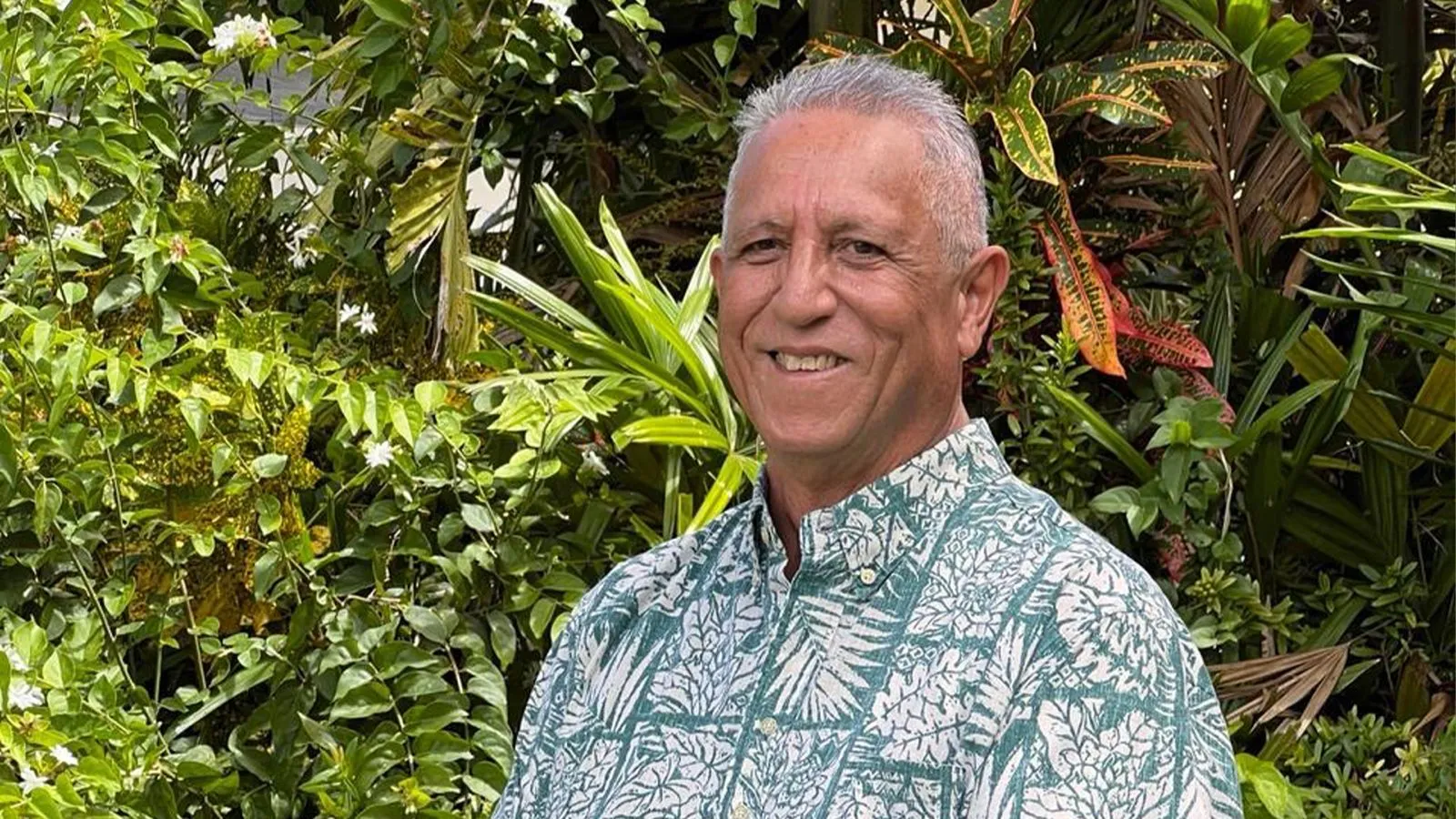
Local author and cultural preservationist Lino Olopai said salt-making today is not just about making the most of what we have. It is also about reviving an island tradition, and that is the main intent of the grant he and his Amot yan Kutturan Natibu colleagues applied for last year.
Manny F. Borja, the association’s former grant project director, said they received a two-year grant from the Administration for Native Americans, which is under the U.S. Department of Health and Human Services — $245,000 for the first year and $235,000 for the second.
The grant funds a program that teaches young Chamorros and Carolinians traditional knowledge, including the use of herbal medicine and other traditional healing methods. It also financed the establishment of village cultural centers on Rota and Saipan in the first year and on Tinian in the second year.
Olopai said he grew up on the southern part of Saipan making salt from the beach.
He and his siblings used coconut shells to scoop ocean water and fill the pot which their mother would later boil to make salt.
His family used to have three “salinas” or a thatch roof makeshift house where they made salt.
Olopai said they use firewood to boil the ocean water in a big pot. They did not have to wait until the water dried up. They scooped the salt as soon as a considerable amount of it appeared in the bottom of the pot. They would then spread the salt on a flat surface under the sun to make it crystal white.
Olopai said the islands’ colonizers made the local people believe “we didn’t have anything.”
He added, “They misled us and told us we didn’t have the resources to live independently. Of course we don’t have mines of gold here and other minerals, but it should be enlightening to know that our land and the ocean are all that we need.”
Olopai admitted: “I was one of those who were misled.”
With five gallons of ocean water, he said they were able to make seven to eight pounds of salt.
Salt sold in local stores cost about a $1 and lasts for months, which means that selling it does not seem profitable.
But we use salt every day, Olopai said.
He hopes that soon, traditionally made local salt will be available in stores to compete with imported ones.
Olopai, who is now 71 years old, said he grew up using traditionally made salt, adding that he can guarantee its quality.
His ultimate goal is to preserve the islands’ cultural heritage by promoting traditional ways of utilizing natural resources.
Olopai finds it important to pass this basic knowledge on to the new generation.
“We have to expose our identity as island people and remain the owners of all the resources around us,” he said.
