






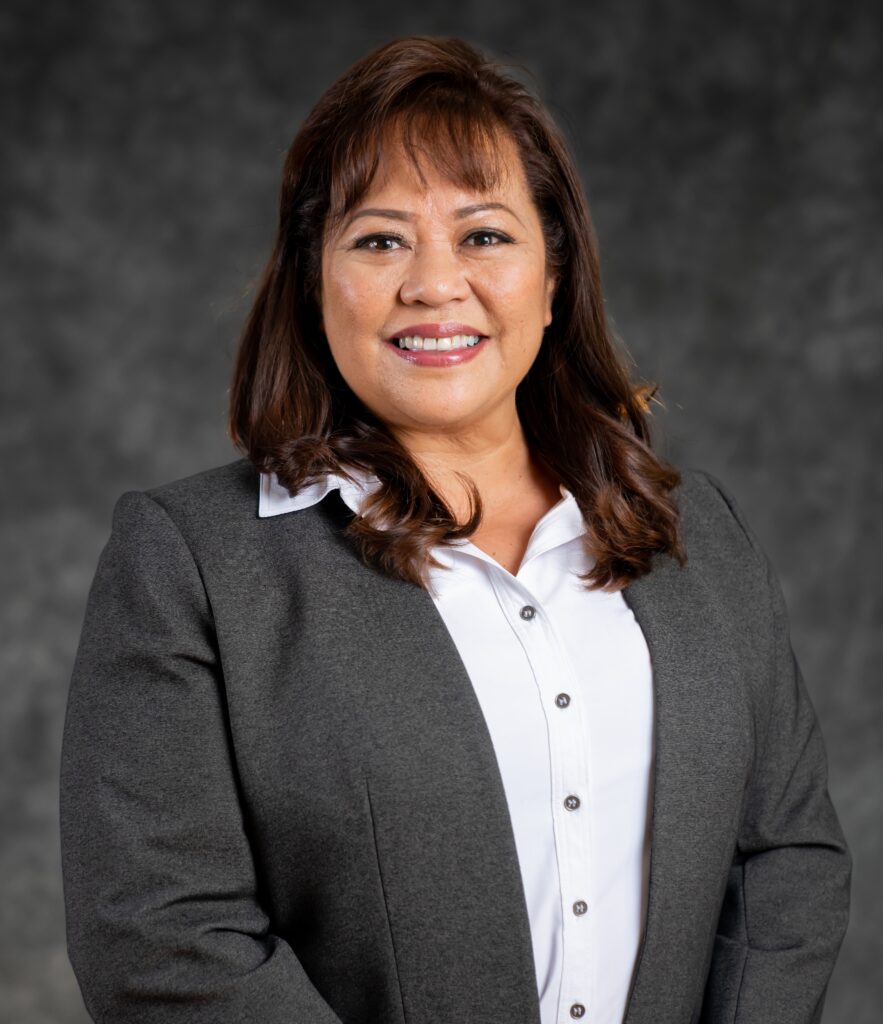
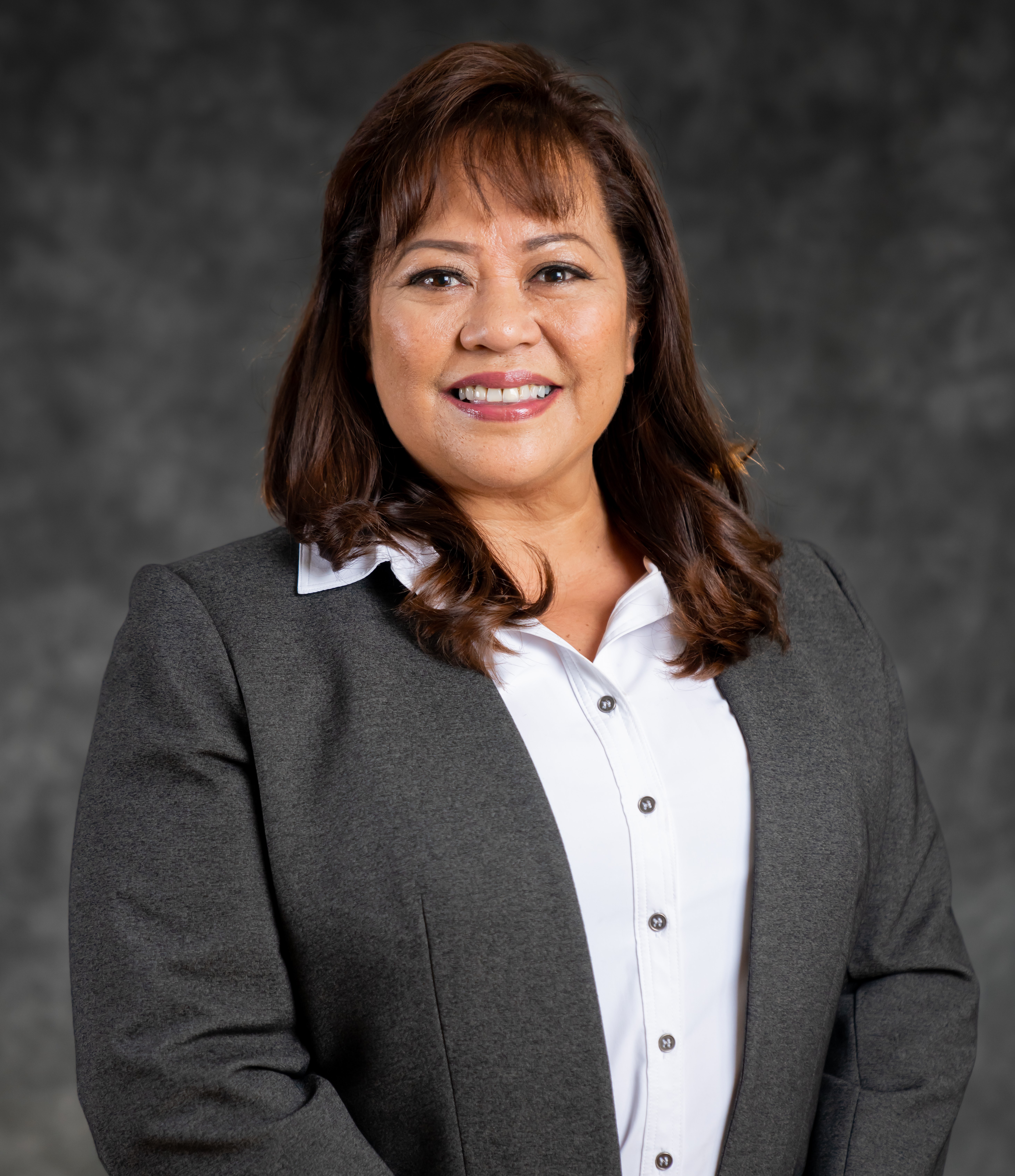
Celina Babauta
SENATOR Celina R. Babauta is recommending a way to accelerate the collection of delinquent taxes owed to the CNMI government.
In a letter to Gov. Arnold I. Palacios on Thursday, she noted that the delinquent receivables due to the government amounted to $121.4 million as of July 2023. This included the $30 million in employee withholding taxes that were not remitted by employers dating back 10 years ago based on the information provided by the Department of Finance.
She urged the governor to explore the potential of factoring, “a financial transaction where a third-party ‘factor’ purchases outstanding invoices or receivables at a discount. The factor then assumes the responsibility of collecting payment from the debtor. There are two primary types of factoring: Factoring with recourse, which involves the government selling its delinquent receivables to the factor at a discounted rate but retains the risk of non-payment; and factoring without recourse, which transfers the full risk of non-payment to the factor.”
In factoring with recourse, “the government may be required to repurchase the receivable if the factor is unable to collect the debt from the taxpayer. In factoring without recourse, the factor purchases the receivables at a deeper discount, but the government is not responsible for any uncollected debts.”
Babauta said factoring is “a financial instrument that can be utilized to unlock immediate cash flow and improve the government’s financial health.”
She said whether factoring with or without recourse, “each approach has its own advantages and disadvantages, which must be carefully considered.”
Babauta said factoring with recourse “provides for a higher advance rate for the government, faster cash flow and typically, lower upfront costs. Some disadvantages of this approach include the government retaining the risk of non-payment and a potential for additional costs if the debt remain uncollected.”
As for factoring without recourse, “advantages include elimination of risk of non-payment for the government, as it provides immediate access to cash and can improve government creditworthiness. Its disadvantages include a lower advance rate, higher factoring fees, and slower implementation process.”
Babauta said she believes that factoring with careful planning and execution “can be a valuable tool for the government to recover a significant portion of its outstanding tax receivables. It can provide immediate access to cash to fund critical priorities, improve the government’s financial standing and reduce the burden of long-term debt.”
“I am confident that this approach, implemented transparently and responsibly, can contribute to a stronger fiscal future for our islands,” Babauta said.
