

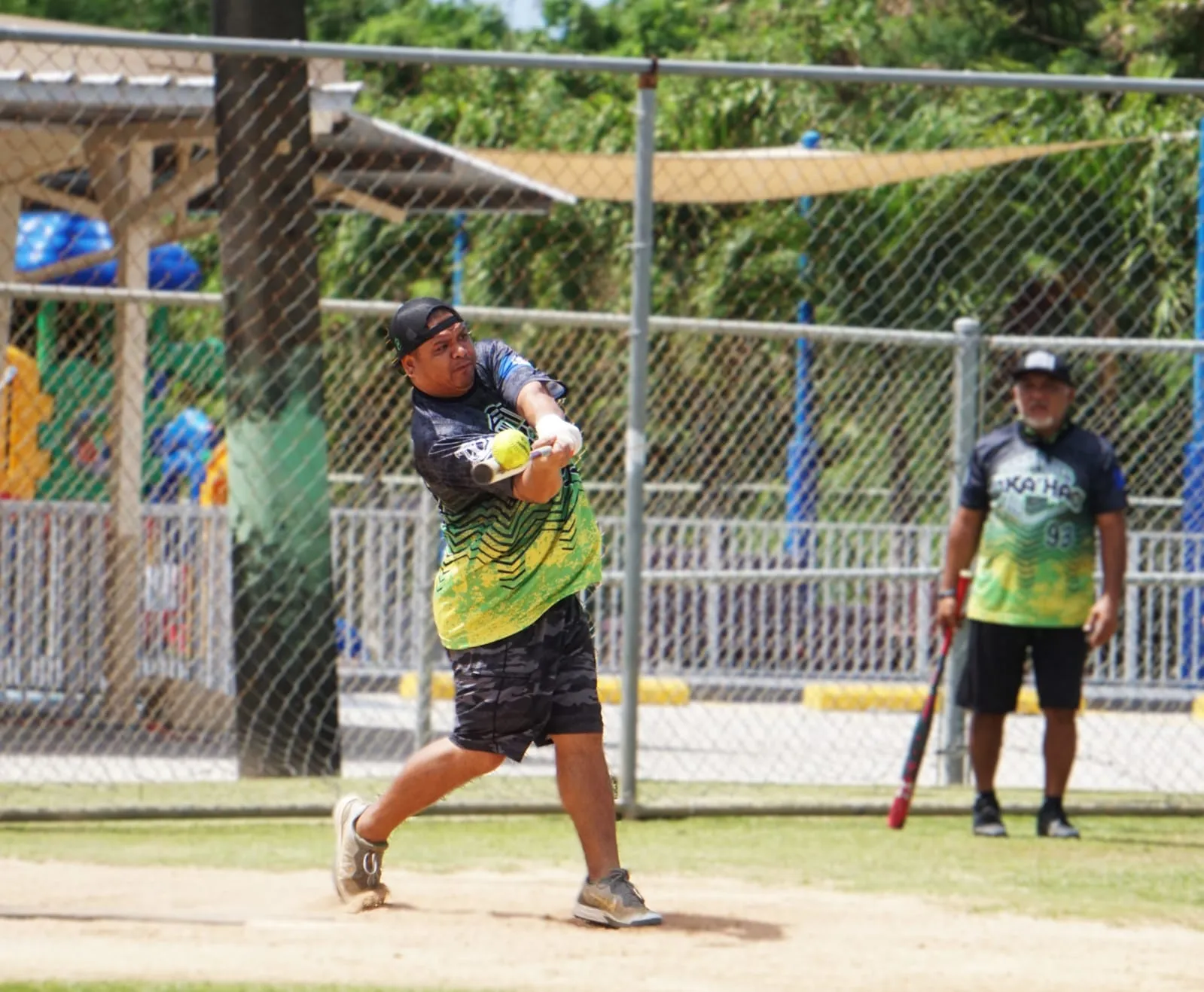

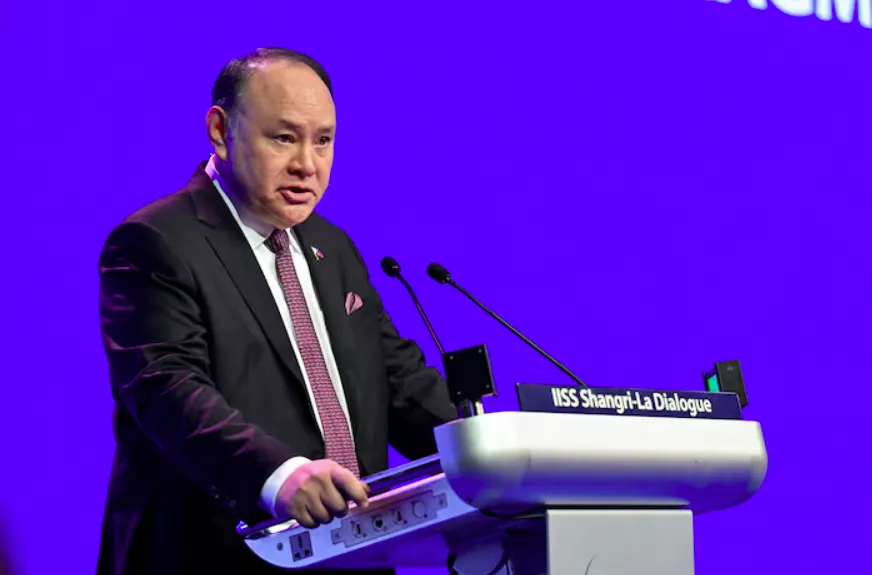




Ivan Carbullido defended his right to visit the massage parlors that he said would be hurt by Bill 268.
Introduced by Speaker Judi Won Pat and Sen. Tina Muna Barnes, Bill 268 seeks to separate legitimate massage businesses from the variety of questionable massage parlors that operate on Guam in the late night hours.
Carbullido, apparently confused by the intent of the bill, told senators to separate the two types of massage businesses.
“Men and women are different,” said Carbullido. “My wife goes to the massage place and gets the chemicals on her face, maybe by a man, and I go get a massage by a woman,” he added. “Senator Aguon and Senator Calvo, I know you understand what I’m talking about!”
The low chuckles got even louder.
Relaxation
He argued that getting rid of the massage parlors would hurt tourism, and that all the places would have to do is change their name to “Relaxation Therapy Centers.”
“When you travel you want to relax,” said Carbullido. “Asians are very good at this.”
A woman who practices the art of Rolfing Structural Integration testified at the public hearing, seeking exemption from the proposed regulations.
Pat Pexa, a resident of Guam and Certified Advanced Rolfer, explained to senators from the that while Rolfing is likened to massage it is a completely different type of alternative medicine “It uses similar equipment and techniques to massage but it is not massage,” said Pat Pexa.
“Structural Integration is a scientifically validated body therapy. Unlike massage, Structural Integration focuses not on the muscles but on their protective layer, called fascia (also known as connective tissue),” states the Web site.
Questionable parlors
There is currently no law that regulates the practice of massage therapy on Guam. The bill was originally introduced but shelved in the 29th Legislature.
If the bill becomes law, illegitimate massage parlors that are known to offer sex services to clients would no longer be allowed to use the term “massage” in any advertising or signs.
Versions of the bill have been introduced in prior years, but this one has taken in to account the concerns people presented in the past. “There was a concern that we would ban traditional practices, so with this bill we incorporated the definition of Suruhanu,” said the office of Won Pat.
