

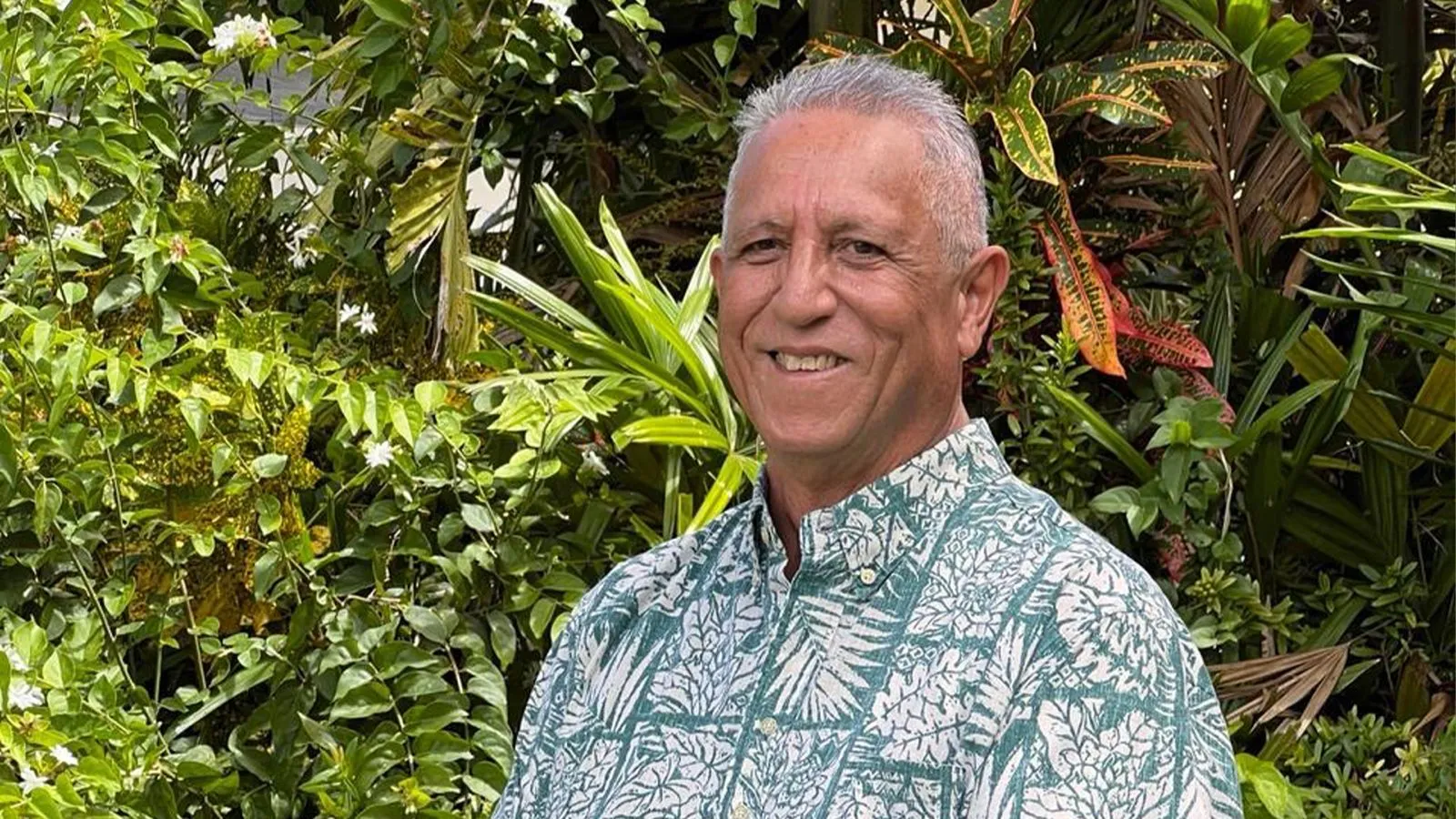


“The good news is that the French government has recognized the need to compensate their nuclear victims,” said Bikini Local Government official Jack Niedenthal on Thursday. “The bad news is that it only amounts to $90 per person (based on a possible 150,000 claimants).”
The U.S. government tested 67 nuclear weapons at Bikini and Enewetak atolls, while France tested 193 weapons at Moruroa and Faungataufa atolls in French Polynesia.
Marshall Islanders are stepping up demands for additional compensation from the U.S. now that its U.S.-provided nuclear claims fund has run out of money. “Our present and imminent reality is that we have people who have not been compensated for three years because the Nuclear Claims Tribunal does not have enough funds to make payments,” Marshall Islands President Litokwa Tomeing said earlier this month at a ceremony marking the 55th anniversary of the Bravo test at Bikini, America’s largest hydrogen bomb.
Bravo, described as the Marshall Islands’ Chernobyl, spewed radioactive fallout over dozens of islands.
“If a lowly inhabitant on the island of Bikini, out of the goodness of his heart, over six decades ago, could freely offer his island for the testing of nuclear weapons for the Osake of world peace, for the good of mankind,’ clearly much, much more is expected from the moral standard bearer of the free world,” Tomeing said.
Niedenthal said the French government’s announcement won’t help the Bikinians in their quest for more compensation and a safe return to their home islands.
“We need no motivation from the French,” he said. “Our motivation comes from the promises that were made by the Americans directly to the Bikinians, promises that stated very clearly that the Bikinians would be like America’s children and that they would be taken care of forever.”
But U.S. Ambassador to the Marshall Islands Clyde Bishop says his government is providing large-scale compensation. In addition to nearly $300 million in direct compensation paid out to test victims under a 1986 agreement, “Over the years, the United States has spent an additional $380 million on health services for the people inadvertently affected by the testing program, for environmental monitoring, and for restoration of the affected islands where there is hope of their eventual resettlement,” Bishop said.
“Certainly resources alone cannot replace the trauma and hardship resulting from the unfortunate and unintended consequences of nuclear testing,” he said. “Yet it is the expression of a regretful nation.”
A Marshall Islands petition seeking more than $2 billion in additional nuclear test compensation has languished with the U.S. Congress since 2000.
The petition calls for the U.S. to fully pay the more than $2 billion in compensation awards issued but not paid by the Nuclear Claims Tribunal, an organization created by a U.S.-Marshall Islands compensation accord in 1986.
