





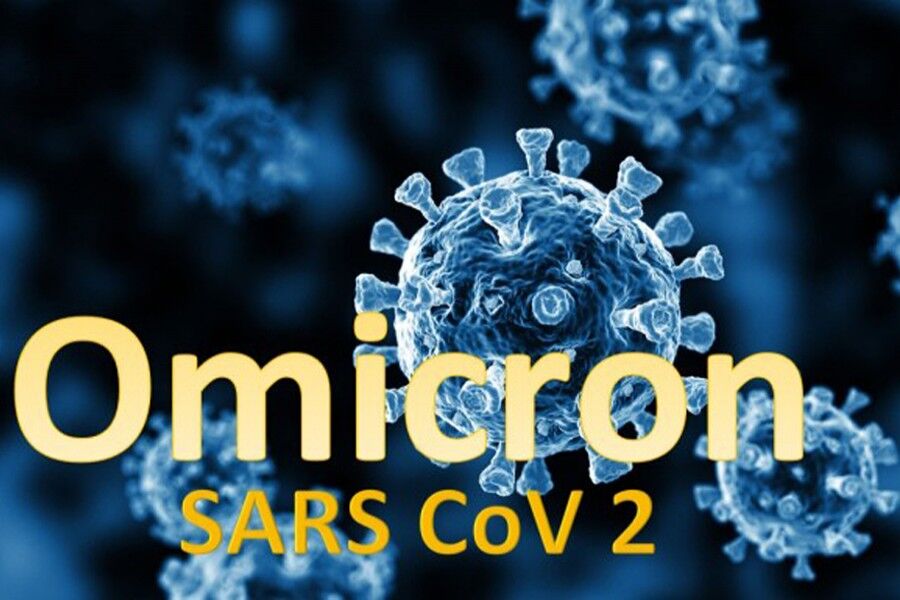
AT least 43 cases of the Omicron variant of Covid-19 had been confirmed in the CNMI, with the earliest sample identified on Dec. 20, 2021, Commonwealth Healthcare Corp. Chief Executive Officer Esther L. Muna and Pacific Islands Health Officers’ Association regional communicable disease epidemiologist Stephanie Kern-Allely reported Thursday.
The most recent sample was identified on Jan. 10, according to CHCC public information officer Guillermo C. Lifoifoi, who added that the latest sequencing report from the U.S. Centers for Disease Control and Prevention was still being reviewed.
Muna said samples are sent to the CDC nearly every day, but there has been a delay in receiving sequencing reports from the agency.
For her part, Kern-Allely said the Omicron variant of Covid-19 is very efficiently transmitted between people.
“The Omicron surge is coming,” she added.
Breakthrough infections in people who are fully vaccinated are expected, but Covid-19 vaccines are effective at preventing severe illness, hospitalizations, and death, she said.
“Folks are hearing that Omicron is milder,” Kern-Allely said. “Omicron has fewer cases of severe disease, which is excellent because we don’t want to have severe cases of disease, but if there are more cases, if it’s more easily transmitted, more individuals will get it and more of those high-risk individuals will become hospitalized. So even though the rate of disease is lower, the number of individuals who are hospitalized also increases rapidly, which is really a key metric for us in the CNMI as we have limited health infrastructure here.”
Though data suggests that Omicron is often less severe than Delta, it can still cause hospitalization and death among those infected, she added.
“Out of control spread will overwhelm our healthcare system,” she reiterated.
Treatments are available on-island to prevent severe diseases, but education and support for individuals to access these treatments in a timely manner is also needed.
Kern-Allely noted that on Tuesday, the CNMI was among the jurisdictions with the highest case rate in the U.S., with a 79% rise in just two weeks.
Since the surge of positive cases in the local community on Oct. 28, 2021, the CNMI has had a fluctuating number of cases with a spike in November, a decline in early December, and another spike starting in late January.
“As our cases rise, we expect to see those hospitalization and admission counts also rise in the coming weeks,” Kern-Allely said.
A majority of the cases are between the ages of 0 and 49, she added.
Data also showed that the number of unvaccinated individuals who have contracted the virus is seven times more than those who also tested positive but have received a booster dose of the Covid-19 vaccine, she said.
Data likewise showed that the number of unvaccinated individuals who have been hospitalized for Covid-19 in the CNMI is 14 times higher than those who have received a booster dose of the Covid-19 vaccine and were also hospitalized.
According to CDC, unvaccinated adults are five times at higher risk of infection compared to adults who have received the booster dose.
Kern-Allely and Muna are encouraging members of the public to utilize testing resources, and act responsibly if they test positive for Covid-19.
“Our goal here is to try to get preventive measures and treatment to individuals,” Muna said. “We have therapeutic treatments, and we are also offering testing. Individuals can find out and prevent the spread by getting tested if they have the symptoms. They must isolate, and access the care services we have, as well as get booster shots. Getting booster shots is essential to preventing hospitalization and death,” she added.
As of Thursday, the CNMI reported that 99.4% of its eligible population had been fully vaccinated against Covid-19.

