

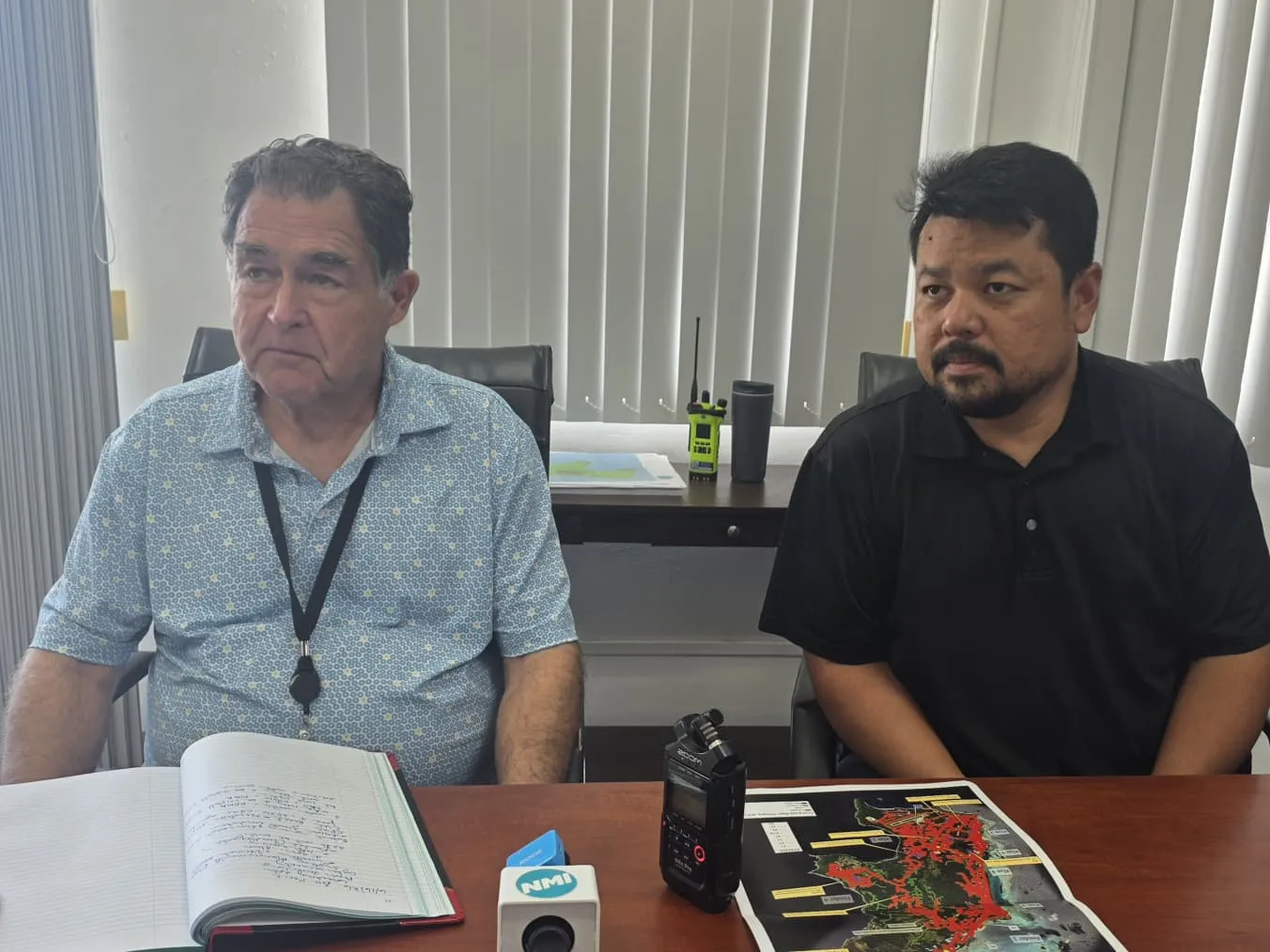


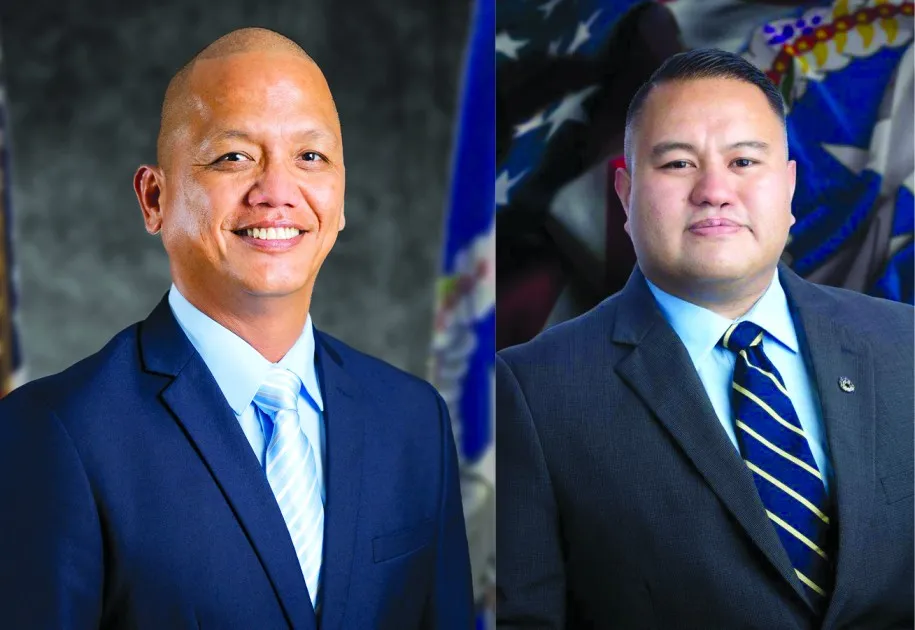


Kambes Kesolai, Chairman of the Coalition for a Tobacco-Free Palau (CTFP).
During the official launch of Palau’s Strategic Plan of Action for Tobacco Control on Wednesday titled “Ending the Exploitation of the People of Palau: Eliminating Tobacco and Related Health Disparities,” Kesolai said that according to the survey they did last year, 85 percent of the kids who smoke are aware of the dangers of smoking.
“But they keep doing it because of easy access. The survey also shows that most children get their tobacco from their parents who chew betel nut.”
The results of Palau’s 2009 Youth Tobacco Survey revealed that 41.4 percent of high school and 34.4 percent of middle school kids smoke tobacco, and 52.9 percent of high school and 41.6 percent of middle school kids chew or “use tobacco”.
“Even though chewing of tobacco has gone down, it doesn’t mean that the use of tobacco has gone down,” Kesolai explained.
He added that cigarettes may be expensive, about $3, but children can get individual sticks for 25 cents. There is a law prohibiting children below 19 years old from purchasing tobacco, and there is an 84 percent store compliance for this according to the survey that the coalition did last year, but still, Kesolai said, kids can go around the law.
“The big problem lies in the accessibility of tobacco,” Kesolai said.
The launch of the Strategic Plan of Action for Tobacco Control, a joint effort by members of the Coalition for a Tobacco-Free Palau and the Ministry of Health’s Tobacco Control Program, coincides with the 5th anniversary of the WHO Framework Convention on Tobacco Control (FCTC). “It serves as a call for action for us all,” Kesolai said.
The plan is simple and easy to read, but the issues around it are complex and require a multi-faceted approach in order to be resolved.
“No longer can we simply rely on education and information dissemination, the tobacco issue is not a question of lack of knowledge, but rather a change is needed in social norms and the environment,” shared Kesolai.
Kesolai said that starting the day they launched the plan, they have to implement it. They cannot just rely on legislation alone. “It is not enough to solve the problems of tobacco. It will require legislation, education, setting up of infrastructures.”
Their goal is to implement the FCTC. The issues of taxes, advertisements, legislation and marketing of tobacco should be addressed. Kesolai added that once they start implementing the plan, they want to begin seeing a reduced use of tobacco and ultimately lessen the tobacco impact on health of the individuals, families and the economy.
//
