

HAGÅTÑA (The Guam Daily Post) — A bill seeking to facilitate the smooth procurement of temporary power on Guam drew concerns from lawmakers Thursday, due to broad waivers of certain procurement requirements contained in the bill. However, that doesn’t necessarily mean the measure won’t move forward, as the conversation indicated some lawmakers may support the proposal if the waivers are made more focused.
Bill 206-37, as introduced, intends to avoid delays in acquiring temporary power by waiving various requirements in local procurement law, including entire articles. The measure was introduced in late November 2023 by Sen. William Parkinson at the request of the Guam Power Authority.
GPA is trying to install temporary power by around May to mitigate potential load shedding in the summer months when increased power demands are expected.
Guam has been experiencing instances of load shedding and rotating outages because of limited generation capacity, which includes the temporary loss of the 20-megawatt Yigo Combustion Turbine. The unit was damaged by Typhoon Mawar last year and parts had to be shipped off island for repair.
Yigo CT was anticipated to return to service this month, but it appears that will be delayed, as statements made Thursday indicated transportation arrangements are just being made now.
Typhoon Mawar also damaged storage tanks at the new power plant being built in Ukudu, Dededo. The commissioning date for the plant was delayed, and although commissioning is now anticipated a few months sooner than initially reported, GPA still is looking to bring in temporary power to maintain capacity until the Ukudu plant is online.
The project already is going through an emergency procurement process and GPA has chosen Aggreko to be the vendor.
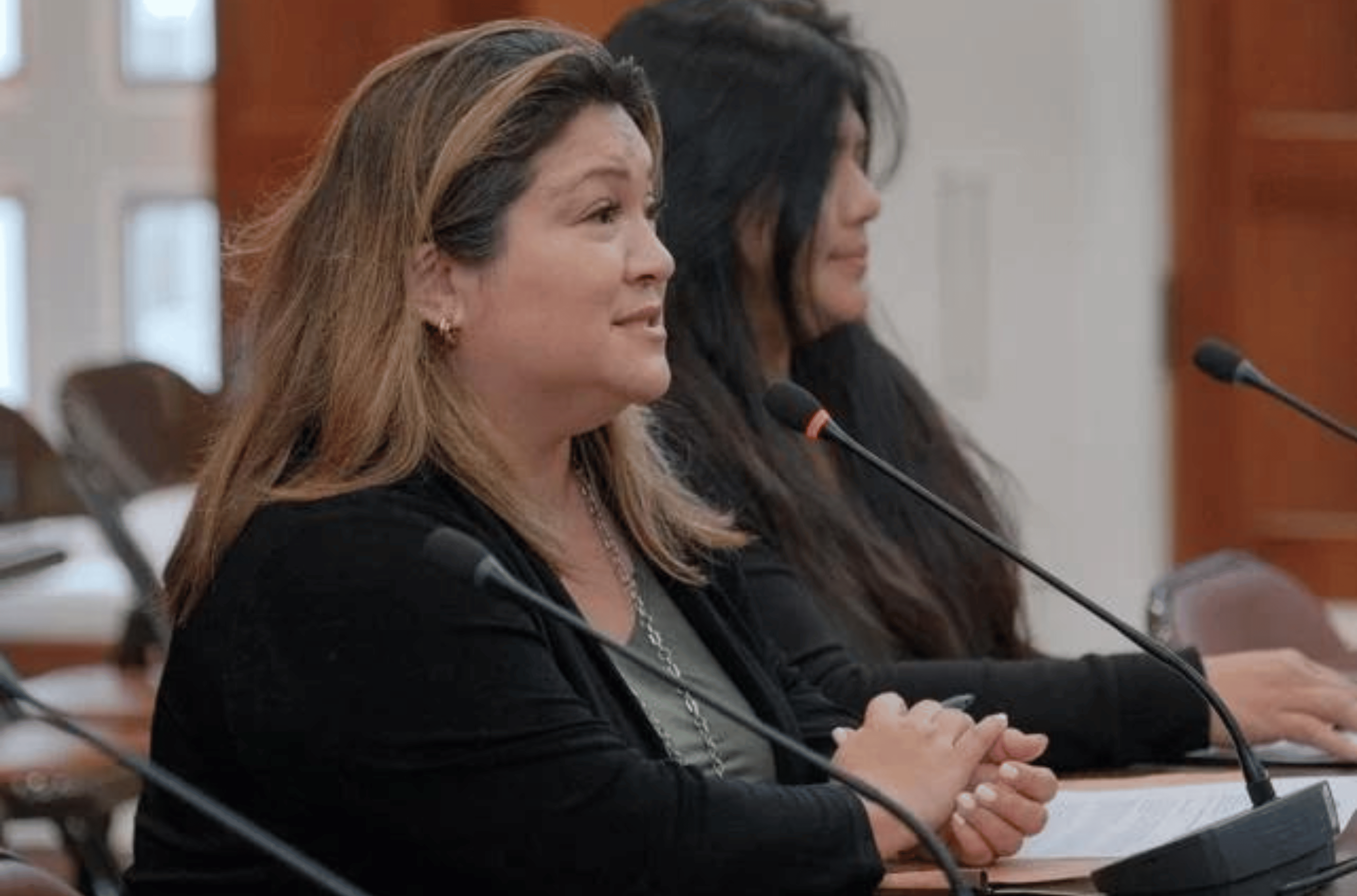
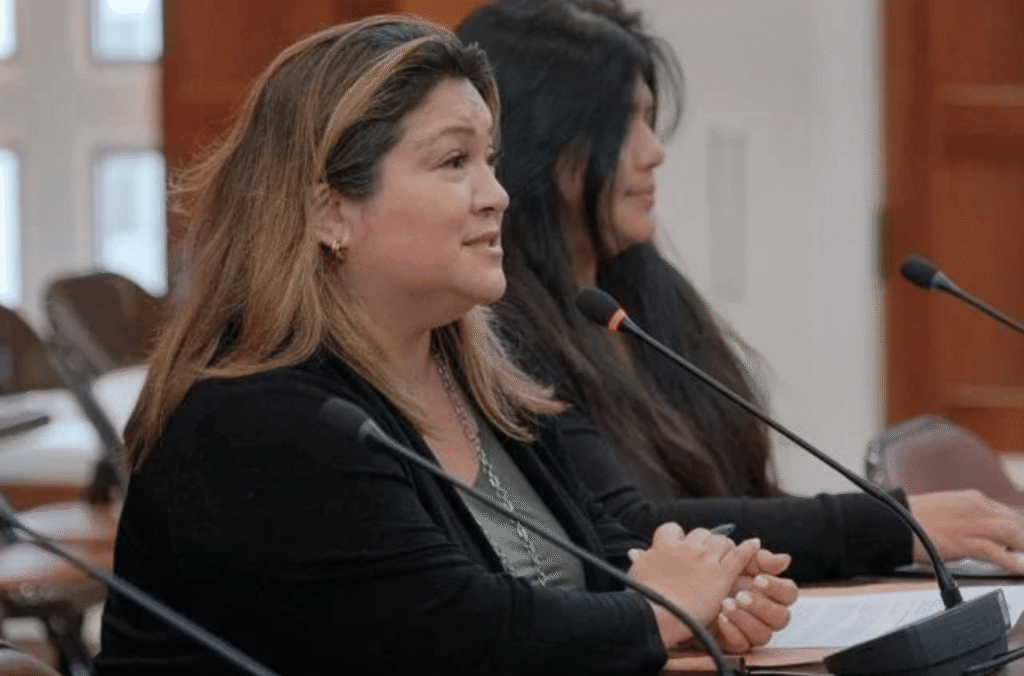
The Consolidated Commission on Utilities, GPA’s governing board, signed off on a proposed temporary power contract in late January, but the Public Utilities Commission will need to grant final approval for the award. The matter is now before the PUC for decision at its February meeting, GPA acting General Manager Beatrice “Tricee” Limtiaco said Thursday as she delivered testimony supporting Bill 206.
“While GPA is hopeful the temporary power services bid will proceed without further delay, a protest and/or appeal will cause this very tight performance schedule to be missed because the emergency procurement laws do not allow an automatic lift of stay in the event of protest,” Limtiaco said.
Lifting a stay would require the attorney general to make a written determination that the award of the contract without delay is necessary to protect the substantial interest of Guam, according to Limtiaco.
“Based on recent experience, GPA has no confidence that the attorney general would respond to its request,” Limtiaco said.
The utility is proposing to remove the bill’s Article 3 and Article 12 waivers. These areas of Guam procurement law relate to source selection and procurement appeals, respectively.
But Limtiaco said GPA would like to keep the bill’s waiver of Subarticle F of Article 2 and Article 9. These procurement law areas respectively discuss the duties of the attorney general and legal and contractual remedies.
“The attorney general has pushed out a lot of requirements after removing all of the (special assistant attorney general) designations for attorneys. And I don’t think that GPA is the only GovGuam agency that is having problems with this. All this adds is additional time to the procurement, without any time frame for the AG to say, ‘we’re going to come back within this time frame and give you advice,'” Limtiaco said Thursday.
“The results of this bureaucracy is we find ourselves having to go back to vendors to ask them if prices are still valid. So, we do ask that you give us a waiver on Article 2, (Subarticle) F and also Article 9,” she added.
Article 9 contains the provision that requires the AG’s determination to lift a stay in a procurement protest.
Limtiaco stated Thursday that GPA would like a mechanism for an automatic lift of stay, adding that the utility was unable to get the AG’s determination in a prior procurement involving repair and maintenance services for Yigo diesel units.
“Our attorney had followed up (with the AG) numerous times to please opine … on whether or not you agree. And we just got zero response,” Limtiaco said.
Speaker Therese Terlaje said she was glad GPA was asking to narrow down the waivers proposed in Bill 206, and that she could understand why GPA would want an automatic lift of the stay, considering time constraints. But the speaker added that she felt the bill remained too broad by waiving entire articles.
“If we could just narrow it down to the stay on appeal, I would support that,” Terlaje said.
Sen. Telo Taitauge said she would like to hear from the AG’s office regarding GPA’s concerns with cooperation, but added that checks and balances should stay in place. Sen. Joanne Brown similarly stated that her key reservation with Bill 206 was the broad removal of the AG’s review in the procurement process.
Sen. Sabina Perez, chair of the legislative committee overseeing procurement, stated Thursday that she was amenable to “fine-tuning” the bill so that its exemptions aren’t overbroad.
“I think the lifting (of) the stay has been very problematic, and there are definitely ways to change the laws in general. That’s something my office is committed to addressing. But that’s going to require a lot of research and development, I think, when it comes to policy, that I feel comfortable really kind of advocating for,” Perez said.
Before Bill 206, Parkinson introduced Bill 201-37, which would have granted similar procurement law waivers to facilitate the maintenance and repair of certain GPA diesel generators. That measure failed to get onto the voting file during the January session.
Parkinson said Thursday that the failure of Bill 201 was “so much more political” than technical.
“There’s disagreement in this body on whether or not GPA has exhausted all their options,” the senator said at the start of Thursday’s hearing.
As he closed the hearing, Parkinson said the fundamental question that divided the Legislature on Bill 201 is probably going to divide the body on Bill 206.
“Have we, GPA, exhausted all of our options? You have made the positive case to me that you have, but ultimately that is the question that decides whether these two bills are passed. So I encourage you to continue reaching out to your senators … because if this is an emergency, you should treat it as such and make the case to every single senator out there,” Parkinson said, adding that he would support whatever bill comes out of the committee on procurement.