
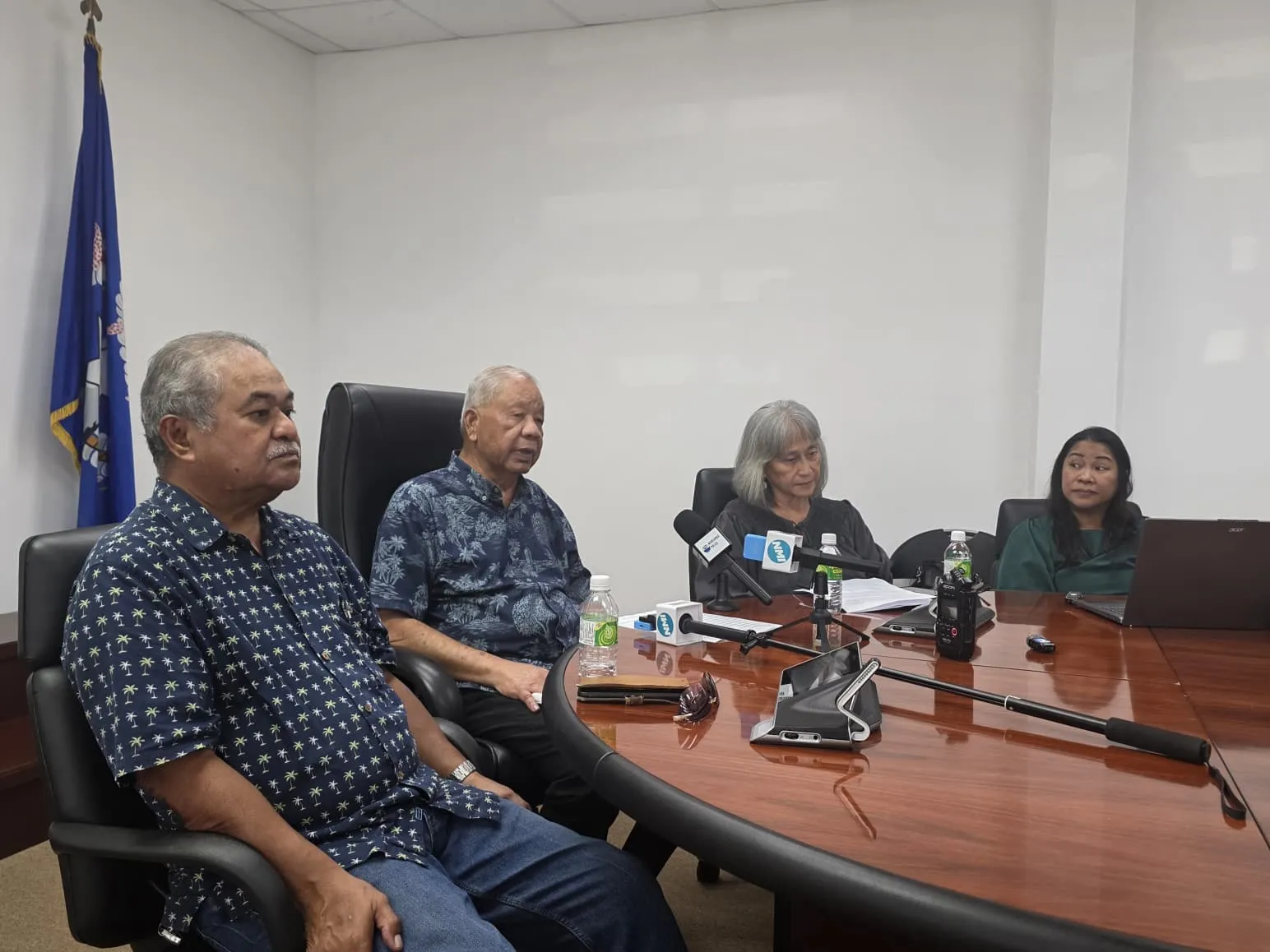


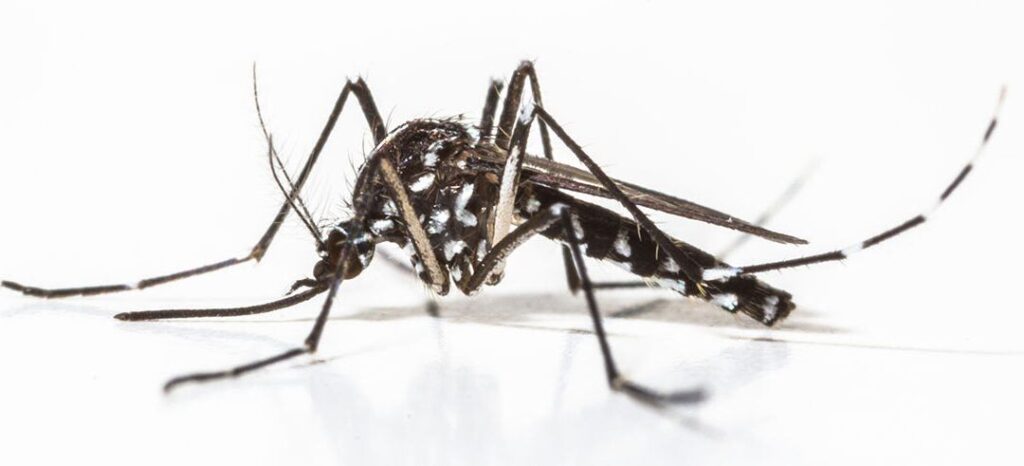
HAGÅTÑA (DPHSS) — The Guam Department of Public Health and Social Services has received a laboratory confirmed cases of dengue fever on June 21, 2021.
The last two local sporadic cases of dengue fever occurred more than 15 months ago and were more than a month apart in January and February 2020. There was a total of 22 cases in all of 2019 (13 locally acquired and nine imported cases), including cases from the September 2019 outbreak.
The DPHSS will declare another dengue outbreak if the number of locally acquired confirmed cases is three or more in a two-week period.
Prevention and protection
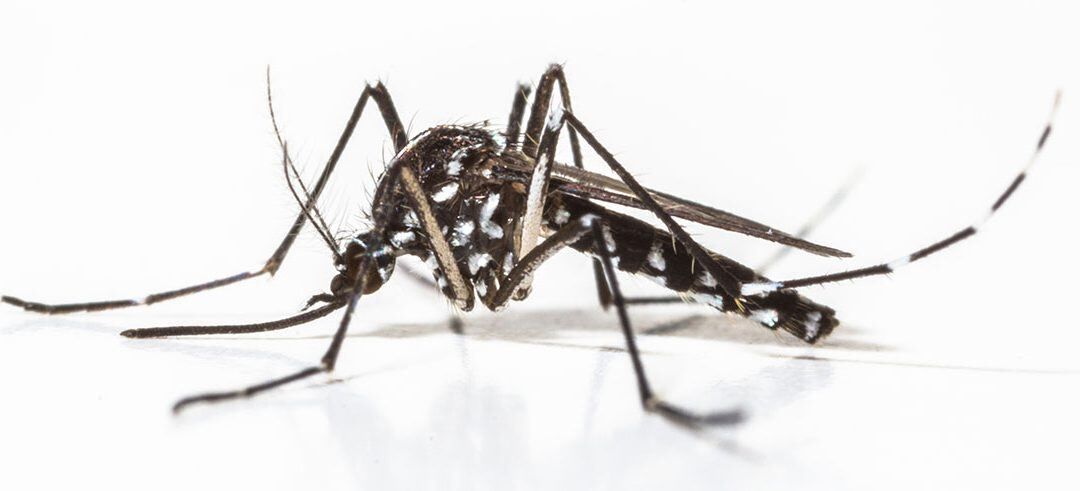
The public is urged to continue prevention efforts and clean up trash, water containers and other mosquito breeding areas to protect themselves. This is particularly important with the rainy season beginning.
As part of vector control efforts, DPHSS will conduct surveillance in areas identified as high-risk. Pesticide spraying will also be done in these areas as necessary.
The community is reminded to do their part to minimize the spread of dengue virus. While pesticide spraying is done initially in areas identified as high-risk, it is only a temporary solution. The best preventive measure for residents living in areas infested with mosquitoes is to eliminate the places where the mosquito lays its eggs, which are primarily artificial containers that hold water. Mosquito larvae only need a little bit of standing water to survive. DPHSS wants to remind residents that breaking the mosquito life cycle starts at the home. Without removing breeding sites, mosquitoes can return. Pesticide spraying can also be ineffective if overused.
The department asks residents to do their part to reduce the mosquito population with some simple steps:
• Properly cover or discard and dispose all containers that collect rainwater or water, such as flowerpots, garbage cans, recycling containers, wheelbarrows, aluminum cans, boat tarps, old tires and buckets.
• Flush birdbaths and wading pools weekly.
• Flush ornamental bromeliads with water, or treat with BTI, a biological larvicide available at home stores.
• Clean roof gutters, which can become clogged and hold water.
• Change the water in outdoor pet dishes regularly.
• Keep pools and spas chlorinated and filtered.
• Stock ornamental ponds with mosquito-eating fish.
• Cover rain barrels with screening.
• Check for standing water under houses, near plumbing drains, under air conditioner drip areas, around septic tanks, and water pumps.
• Take steps to eliminate standing water, improve drainage, and prevent future puddling.
It’s important for residents to remember the four Ds of mosquito prevention:
1) Drain: Empty out water containers and scrub the sides to remove mosquito eggs at least once every 5 days.
2) Dress: Wear long sleeves, long pants, and light-colored, loose-fitting clothing.
3) Defend: Properly apply an EPA-Registered mosquito repellent such as DEET, Picaridin, IR3535, or Oil of Lemon-Eucalyptus.
4) Dusk and Dawn: Avoid activity during those times when mosquitoes are most active.
Dengue fever symptoms
See your healthcare provider if you experience any of the symptoms of dengue fever, such as high fever, severe headache, severe pain behind the eyes, joint pain, muscle and bone pain, rash, and mild bleeding usually around nose or gums. Generally, younger children and those with their first dengue infection have a milder illness than older children and adults. Visit your nearest hospital emergency room if you experience any of the following symptoms of Dengue Hemorrhagic Fever or DHF, the severe form of the disease, which is characterized by a fever that lasts from 2 to 7 days, and can be followed by persistent vomiting, severe abdominal pain, and difficulty breathing. In addition, patients with DHF tend to bruise easily or experience other skin hemorrhages and possibly even bleed internally.
The Guam Public Health Laboratory or GPHL conducts tests for dengue including serotyping. The GPHL is on the third floor of the RAN-CARE Building at 761 South Marine Corps Drive, Tamuning, Guam 96913. For more information, contact Anne Marie Santos, GPHL laboratory administrator via email at [email protected]
Providers should continue to be vigilant and report suspect dengue cases to the DPHSS ELC program by fax: 300-7355 and to the territorial epidemiologist: [email protected]