


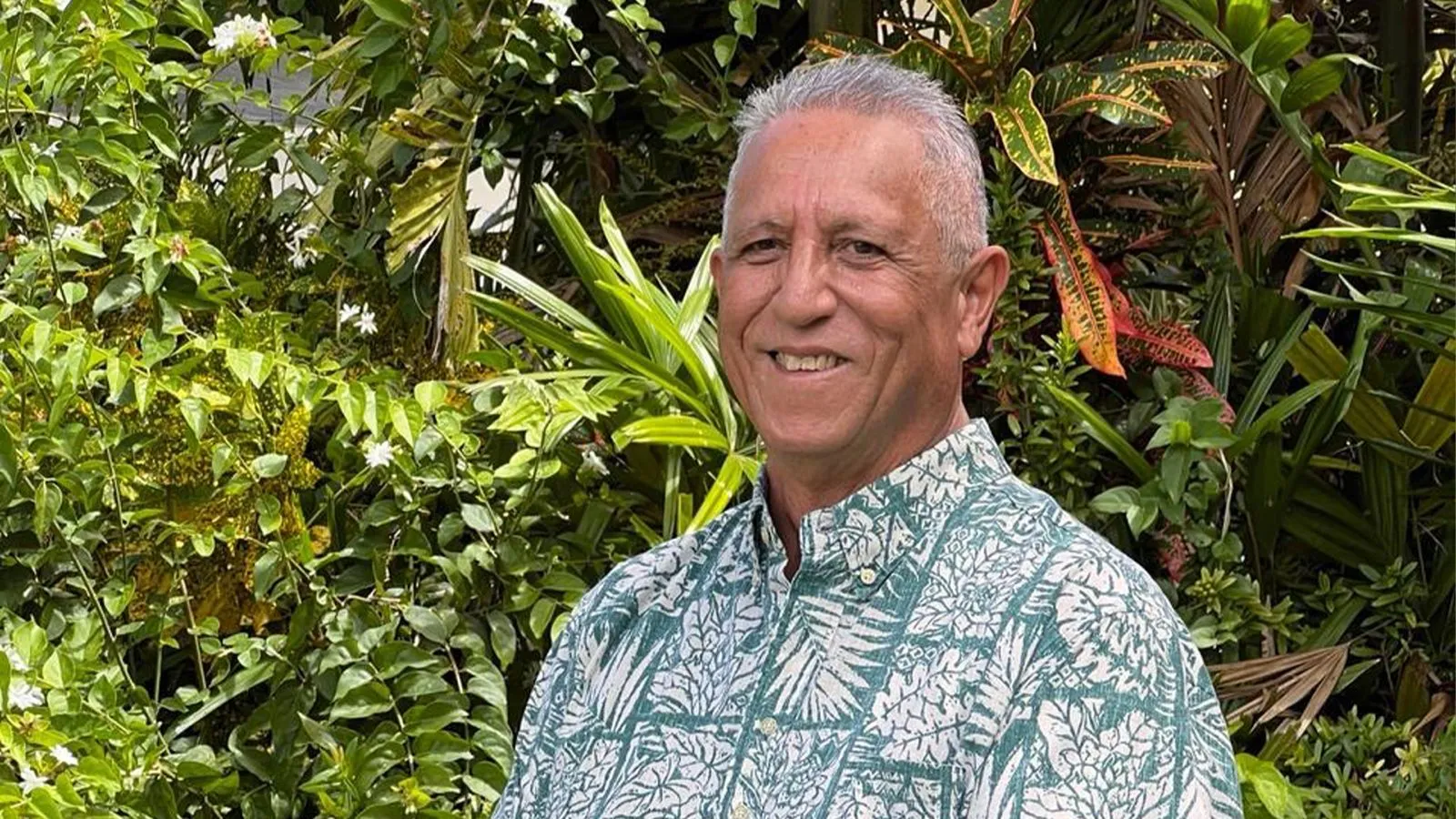
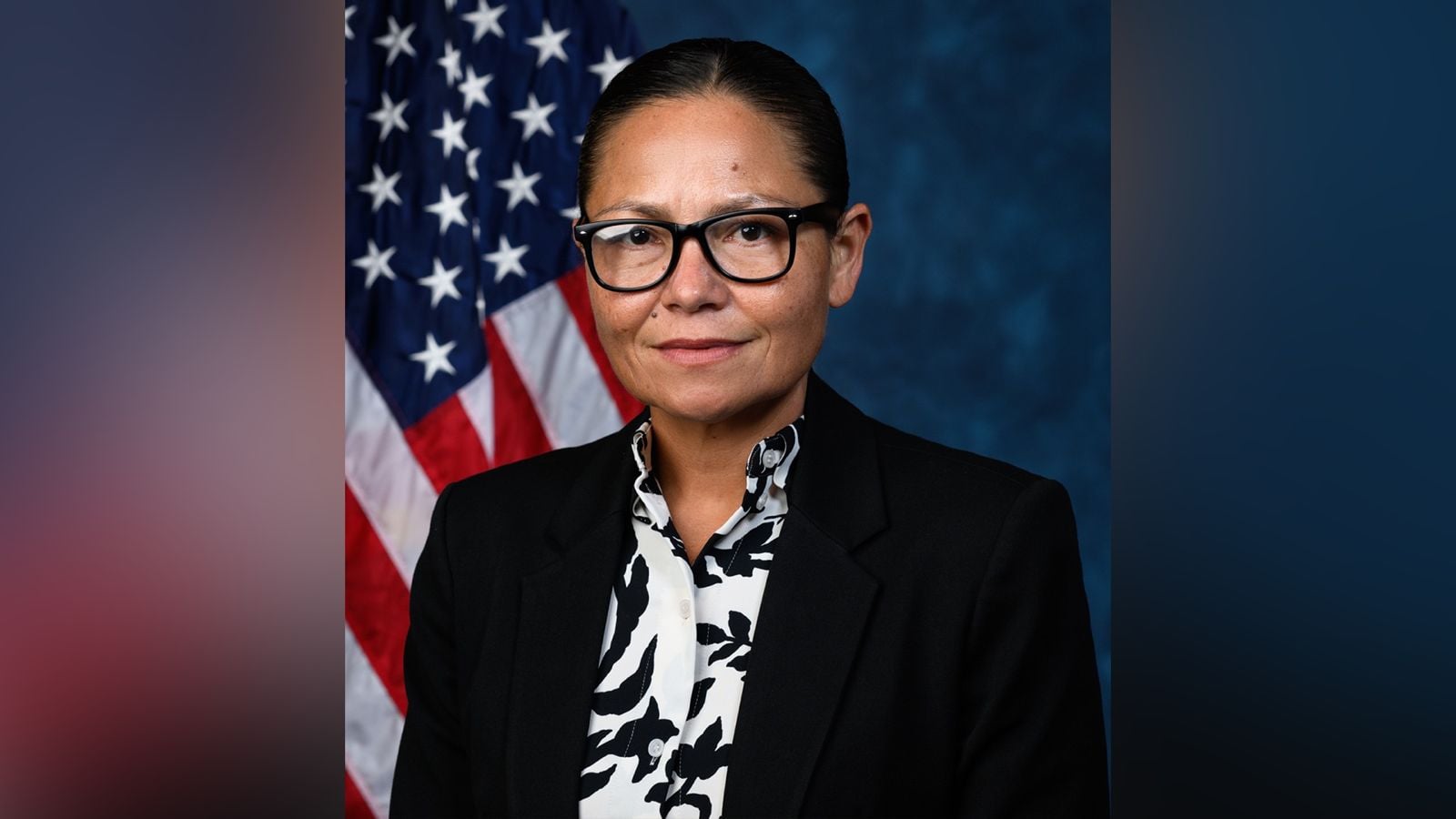


Mariur and Del. Gibson Kanai recently returned to Palau to attendthe Conference of the Human face of the Global Economic Crisis from February 10-12 held in Vanuatu.
In that conference, the vice president who is also the finance minister of the country cites the need for foreign aid dependence to cope up with the crisis.
In citing a stagnant tourism economy, total visitor arrivals for 2009 were for the most part below the same period in the preceding year, he said.
The vice president said the Pacific region High Level meeting brought together Pacific leaders, country delegations, civil society, academia, United Nations Pacific Area and other Donor Partners and youth representatives in discussions of regional partnering to help Pacific countries respond effectively to the effects of the Global Economic Crisis on the region.
He also noted that tourist numbers fromTaiwan are down. A strong tourism market for the country.
The vice president however in the remark also told the Pacific representatives that the country ishopeful that there aresome signs of improvement as there are current discussions for additional flightsand stepped up effortsmarketing Palau as anisland destination.
He also noted that domestic demand has been weak as reflected in the generally flat to declining imports of US food, fuel and other imports in 2009.
“ The discussions werewithin the context of the impacts of the crisis on the most vulnerable categories of people including children, youth, women, the disabled and the poor.The varied sessions not only dealt with impact assessment and appropriate responses to the crisis; they explored the social components that must remain forefront in every consideration as well as the resiliency to inspire Pacific countries to move forward beyond the crisis.
He also noted that tourist numbers fromTaiwan are down.
The vice president however in the remark also told the Pacific representatives that the countryhopeful that there aresome signs of improvement as there are current discussions for additional flightsand stepped up effortsmarketing Palau as anisland destination.
He also noted that domestic demand has been weak as reflected in the generally flat to declining imports of US food, fuel and other imports in 2009.
He cited that because of theweaker turnout in the tourism industry, lower infrastructure spending and delays in planned private investment in tourism facilities are expected to result in economic contraction in 2010.
“The outlook for this year however, would improve much if we can indeed realize a pickup in tourism,” he said in the speech.
He said because of the global crisis combined with the uncertainty about the newly approved Compact of Free Association packagebetween Palau and the United States, investor confidence is likely to remain undermined.
The vice president who is also the finance minister said the lack of a legislation easing restrictions for foreign investment remains an obstacle in infusing new money into the country to strengthen the private sector.
“While we can take into account that the extension of U.S. financial assistance through the Compact of Free Association may provide temporary budget relief, we realize that we must rely on our own efforts and capitalize on our own resources to impact immediate shortcomings in available cash and rising local deficits that require prompt solutions,” he said.
The vice president said the current administration has already made substantial gains by working with Congress to approve a 10 percent cut in its FY2010 national budget from 2008-2009 fiscal year level..He cited that there are also directivesto institutefreezes on non-essential travel, hiring and others to reserve dwindling funds.
The finance minister said the government is continuing to find ways to cope up with a down economy through a possible adjustments to the utilityrates for water usageto correlate with the actual cost of operating a public water system.
The government is also eyeing the installation ofpre-paid electric devices ingovernment buildingstolessen the amount of aging accounts and in turn enable the country’s sole electricity provider to utilize available resources for much needed repairs and other improvements.
He said that there are new laws that will be bringing in much needed revenues to the country such as theestablishment of a “Green Fee” collected from departing tourists.
He said Palaucanalso anticipate new revenues from the recycling of plastic containers.
He said other al initiatives in the area of external debt management have brought previously lagging payment schedules on particular accounts to current and at a manageable level.
He said the reinstatement of a mandatory 30-year service retirement provision contributed to current reform efforts to downsize the government through a “reduction by attrition” of public sector employment.
“ This is anticipated to gradually reduce the number employed by the government, allowing for the discretion to fill only those positions that are most essential. We recognize the varied implications this may have on our pension system and seek assistance from donor partners with the proper expertise and necessary resources to undertake an updated assessment of the health of the system and offer recommendations on its long term enhancement.”
He said to weather the hardships it is important for developedpartners to assist Palau and other Pacific countries in alleviating themfrom burdened fiscal circumstances.
“ssistance received from development partners, political allies, regional and international donors are much relied upon to meet the rising costs of these essential services; however, the effects of the global crisis on their economies may hamper their ability and their good intentions to offer similar levels of assistance,” he said.
“Yet as we make adjustments to compensate for possibly lessened external assistance, we remain confident that our lengthy and treasured relationships with these partners in the international community will continue to be a source of technical and other assistance to pass through the difficult times,” he said.
The meeting’s discussions were within the context of the impacts of the crisis on the most vulnerable categories of people including children, youth, women, the disabled and the poor.The varied sessions of the meeting Mariur said notonly dealt with impact assessment and appropriate responses to the crisis; they also explored the social components that must remain forefront in every consideration as well as the resiliency to inspire Pacific countries to move forward beyond the crisis.
The Palau delegation was composed ofMariur,Del. Kanai, Floor Leader, Warren S. Umetaro, Chief of Staff, Office of the Vice President; Gustav Aitaro, Director, Bureau of Trade & Technical Assistance (MOS); Debbie Sbal Tkel, Director, Bureau of Curriculum & Instruction (MOE); Joanne Maireng Sengebau, Director, Bureau of Public Health (MOH) and Elmera Siozitaro, Bureau of Labor & Human Resources.
