



MAJURO — An isolated group of Marshall Islanders are readying to open their islands to scuba divers and sports fishermen beginning in September using facilities funded by the U.S. government as part of nuclear test compensation.
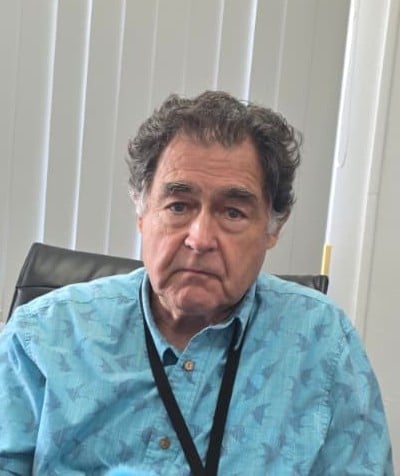
Rongelap Mayor James Matayoshi, whose home atoll was doused by fallout from the 1954 “Bravo” hydrogen bomb test at Bikini, is full of optimism about Rongelap’s potential future tourism role, optimism confirmed by a local dive and fishing charter operator, who sees a big future at Rongelap.
For the past four years, Matayoshi’s local government has been using a U.S.-provided $45 million resettlement trust fund to begin nuclear cleanup work and install basic infrastructure on the atoll that has been uninhabited since Rongelap Islanders evacuated in 1985, fearing continuing radiation exposure from food grown on the island.
Scientists say that with remedial work now being conducted at Rongelap, coupled with continued use of imported food, islanders can safely return home. As at neighboring Bikini, where hundreds of scuba divers trek annually to dive on World War II ship wrecks sunk by nuclear tests, radiation exposure at Rongelap is not considered by scientists to be an issue for visitors who are not eating food from the land.
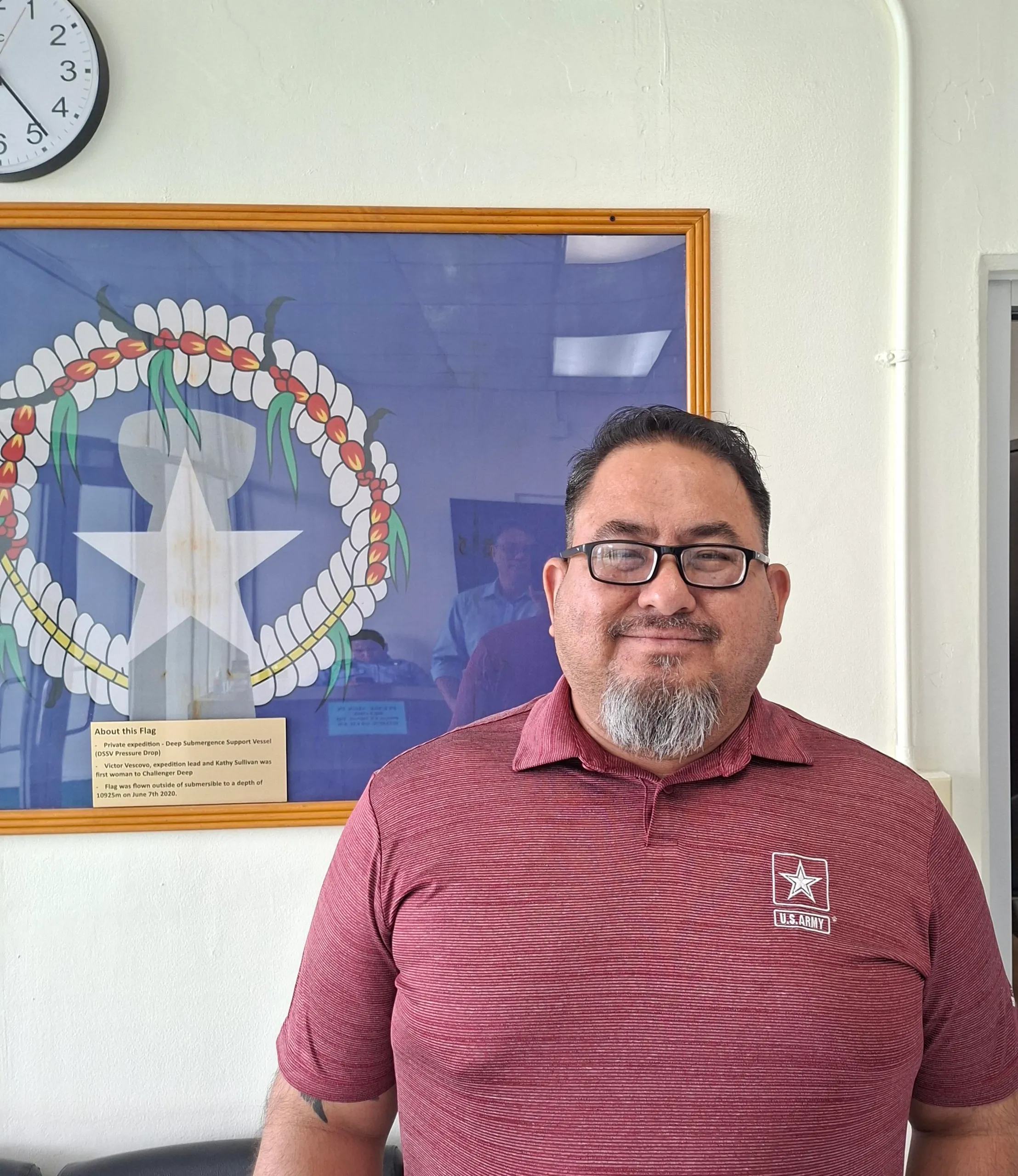
Peter Fuchs, chief financial officer at the Majuro-based business Robert Reimers Enterprises that operates a major dive and sports fishing operation, believes that there will be no problem matching the number of tourists that Bikini now gets. “Rongelap beaches are better and the island is more developed,” he said. “There is an airport on the same island as the hotel so no boat transfer will be required.”
Unlike Bikini’s diving attraction of sunken World War II naval vessels, Rongelap’s attraction is its pristine reefs and a fish-filled lagoon.
Because no one has lived at the atoll for more than 15 years, marine life is abundant, he said.
Matayoshi said that the Rongelap Council aims to open a small scale sports fishing and dive operation by September. “Rongelap has the same potential as Bikini to be successful,” Matayoshi said.
“We have the rooms for a small operation to start at a pilot level now,” he added. “If it works, we’ll expand it.”
U.S. resettlement money has funded construction of a base camp with housing, power and water, a new dock, and a paved airstrip. Later this year, construction of homes will begin to allow Rongelap islanders to start returning home.
