

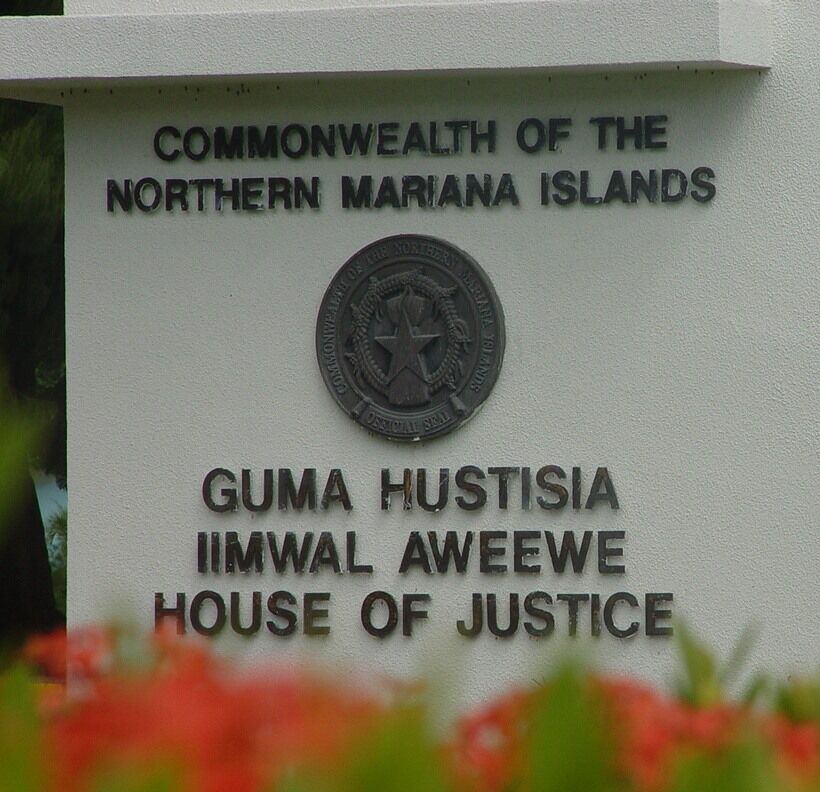


Funded by the National Science Foundation as a collaborative effort between the University of California Santa Cruz and the NMI Humanities Council, revisions are being conducted by community members and volunteers on Saipan, Tinian and Rota, in partnership with various agencies and organizations and support from numerous individuals in the community.
In its latest work, the group compiled over 300 words not in the 1975 dictionary and continues to search for new entries, especially in documents written in Chamorro by Chamorros and non-Chamorros.
Major sources of new words include literature from the Catholic church, historical documents, and contemporary writings such as the recent publication on traditional herbs and healing, the essays by Juan del Rosario in the newspapers, the Marianas Agupa Radio Talk show hosted by Glenn Manglona, songs and poems, to name a few.
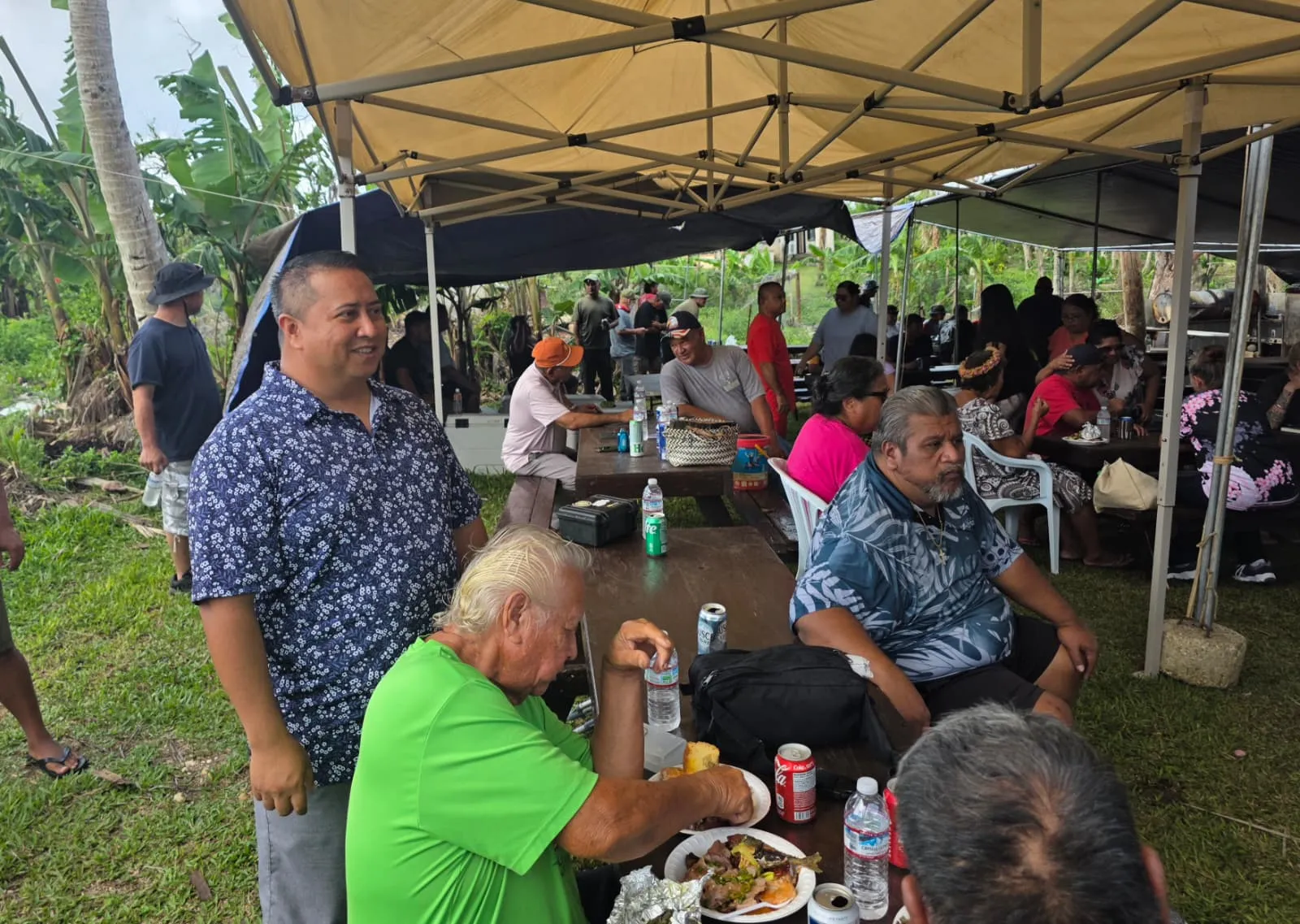
Many new words are identified during community events and family gatherings or are contributed by cultural experts such as fishermen, farmers, carpenters, healers, and the elders in the community.
The group urges the community to join in the effort to locate Chamorro words, especially words of cultural significance that are not already in the 1975 dictionary.
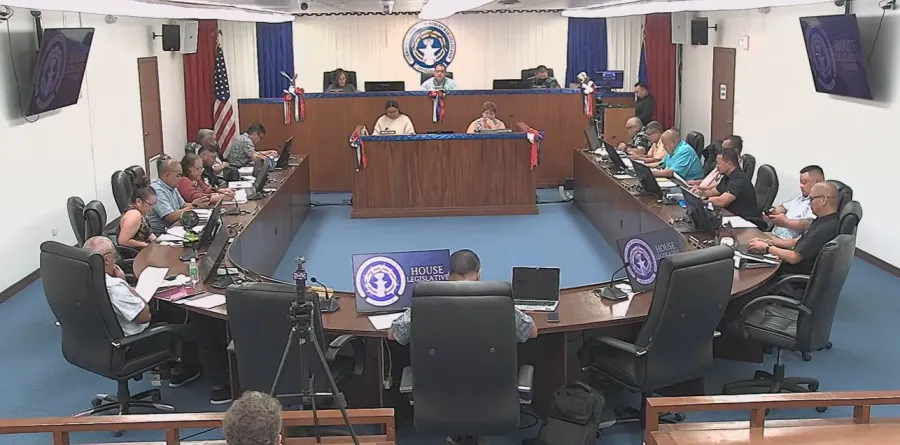
The project also includes workshops and conferences associated with the dictionary revision process, such as the Chamorro Orthography Revision Workshop conducted in 2009 in partnership with the Chamorro/Carolinian Language Policy Commission, presentations at the Third Chamorro Conference on Saipan, and the Chamorro Language Conference on Rota.
The NMI Council for the Humanities and the CNMI Legislature funded most of these events.
The project has been collaborating closely for the last year with organizations in Guam.
A third component of the project is the production of oral history videos.
Individuals interviewed so far include Vicente N. Santos, Juan M. Diaz, Soledad Castro and Joaquin Muna.
UCSC linguist Dr. Sandra Chung is writing a Chamorro Reference Grammar as part of this collaborative project.
The grammar will give a comprehensive, detailed view of the sound structure, word structure, and sentence structure of the Chamorro language.
Twenty-four chapters are planned.
One of the key ingredients in this project is the enthusiasm and commitment from the community, especially the members of the working groups.
These include Carmen Taimanao, Rita C. Guerrero, Jose Sanchez, Bernadita P. Sablan, Bernadita Sanchez, Viola Deleon Guerrero, Esther San Nicolas, Jose C. Camacho, Tita Hocog, Angie Fitial, Daisy Atalig, Rose Magofna, Vicente T. Borja, William Macaranas, Frances Sablan, Herbert del Rosario, Daniel Quitugua, Glenn Manglona and Jesus Sanchez.
Others who have contributed are Noel Quitugua, Anicia Tomokane, Herman Q. Guerrero, Lumi Bermudes, John Gonzales, Christobal Inos, Juanita Takai, Juan C. Tudela, Herman B. Tudela, Juan Castro, Soledad Castro, Lorenzo Cabrera, and many more.
Dr. Rita Inos, group leader, Gonzalo Santos and Howard Macaranas were also part of the project before their untimely passing.
The project is appreciative of the valuable collaboration among communities from the three islands, academics, and a linguist as well as the in-kind assistance from the Chamorro/Carolinian Language Policy Commission, Northern Marianas College, the Joeten-Kiyu Public Library, Pacific Resources for Education and Learning’s Saipan office, the Manamko’ Center, the Department of Lands and Natural Resources, CNMI Archives, the Traditional Medicine/Culture Association, the Indigenous Affairs Office, the Public School System, and many others who provided meeting space, technological support, and resource materials.
NSF funding for the project will end in 2011 and the group will continue the work through volunteers and other support as they may be available from the community.
Younger members from the community are welcome and urged to participate and carry on the work in the future.
The project is headed by co-principal investigators Dr. Liz Rechebei and Dr. Sandy Chung and assisted by working group leaders Manuel F. Borja and Tita Hocog, with technical support (software and database) from Cameron Fruit.
To contribute words not in the Topping dictionary or for further information, e-mail [email protected].
