






But malaria, which has been around for 50,000 years and kills more than one million people every year, won’t go quietly.
The disease is an extremely resilient parasite that hides in the liver and is spread by the bite of the aggressive female Anopheles mosquito.
It was eradicated from Australia in 1982, but still remains in 100 countries worldwide.
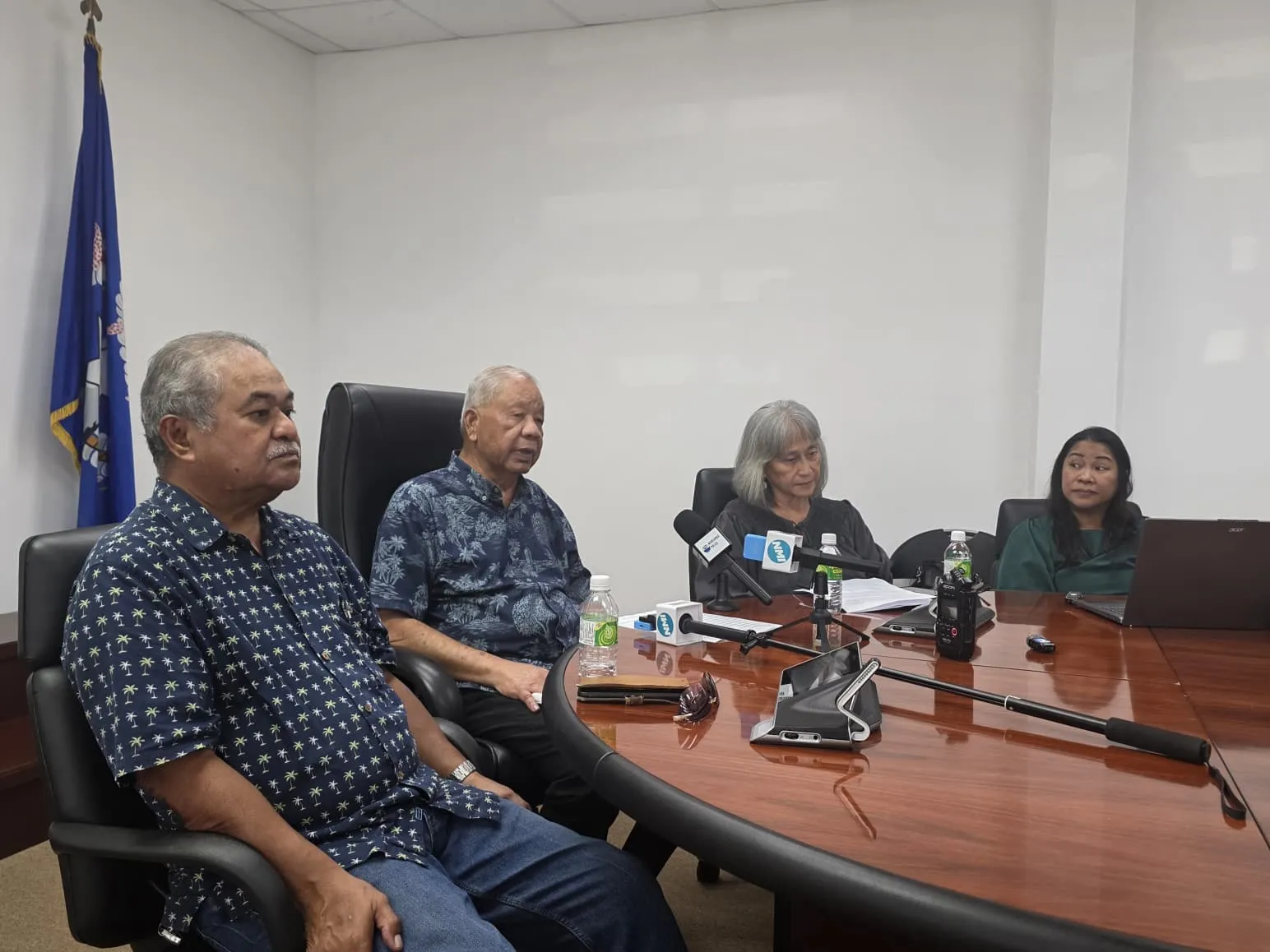
Ten countries in the Asia Pacific region are determined to wipe out the disease and delegates from eight countries are in Brisbane for the inaugural meeting of the Asia Pacific Malaria Elimination Network.
Parliamentary Secretary for International Development Assistance Bob McMullen, who is attending the forum, said malaria was not only one of three big killers, next to AIDS and tuberculosis, but its presence also inhibited valuable revenue from tourism.
“That Australia is hosting the network’s inaugural meeting is a further demonstration of our leadership in progressively eliminating malaria.
“Australia has committed A$210 million ($142 million) to the Global Fund to fight AIDS, Tuberculosis and Malaria and we are working with Solomon Islands and Vanuatu to eliminate malaria. These two countries have among the highest incidence of malaria outside of Africa. Australia also supports malaria programs in Papua New Guinea and the Philippines.”
“We’ve eliminated malaria from many countries in the region and in the world, so we can do it. It’s a question of effective application of resources, that’s what this network’s about,” McMullen told AAP.
“It’s going to be very hard to encourage mass tourism until malaria is brought under control. “It’s fundamentally about the health of people, but it is central to economic development in the region that we eliminate malaria. So it is a priority social task, humanitarian task and economic task.”
The target date for complete eradication is 2050, malaria expert and head of the network, Sir Richard Feachem, told AAP.
“In the history of mankind, malaria has killed more people than any other disease,” Prof Feachem said.
“Our focus is on helping those (10) countries to share information, learn from each other, advocate collectively, and to do things better together than they can individually.
“Australia will play a special role helping to cover the costs of this, but also will continue to play an important scientific role.
“The parasite multiplies very, very quickly and blocks up the blood vessels in your brain … and causes a major obstruction to blood flow in the brain, (it) can put you into a coma and kill you.”
Countries attending the meeting are Malaysia, South Korea, China, Solomons, Sri Lanka, Vanuatu, Indonesia and the Philippines.
The other two nations involved, Bhutan and North Korea, are not represented.
