


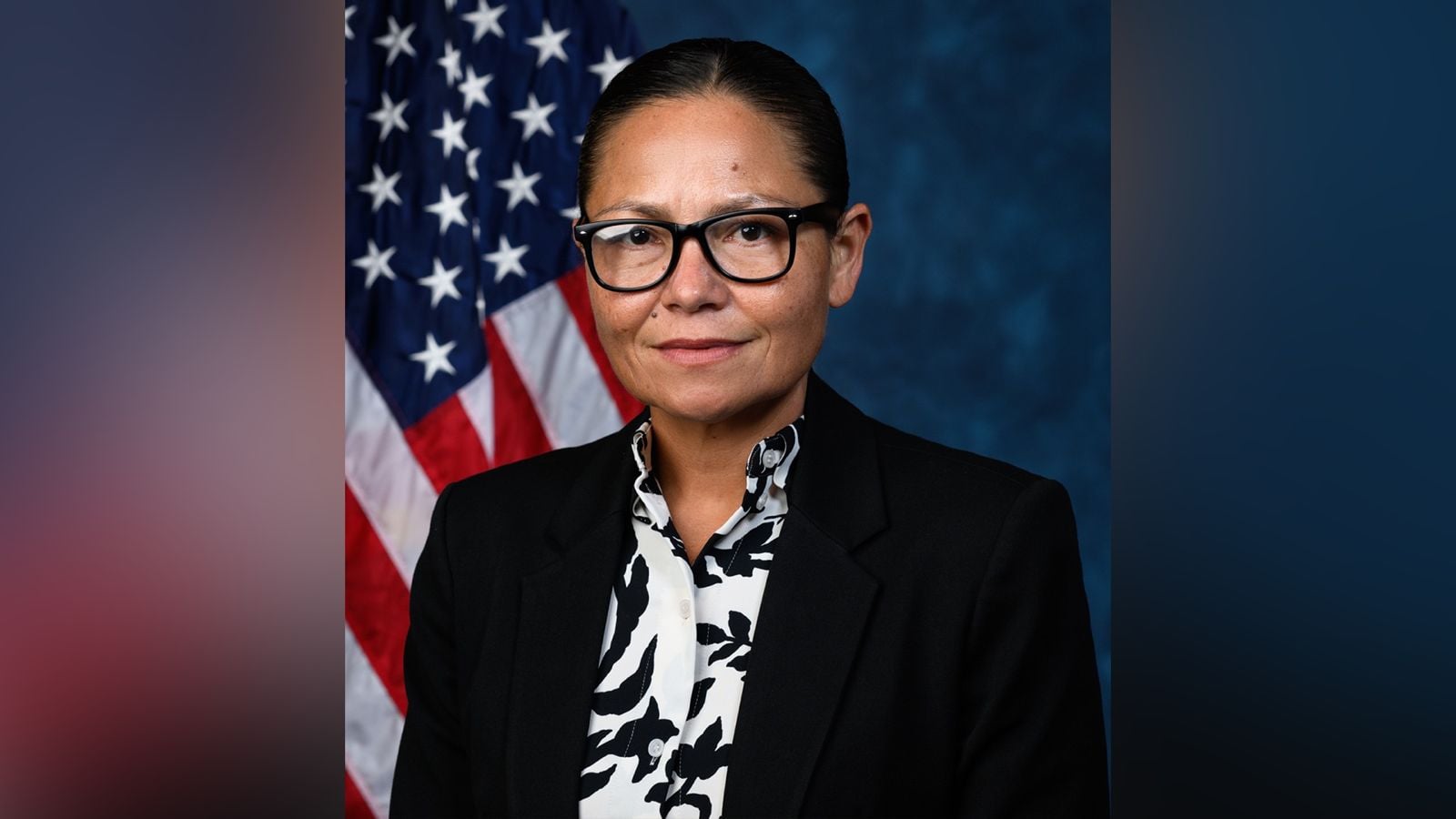


The now suspended college president maintains that her efforts resulted in the reinstatement of NMC’s accreditation. But now, staff and others maintain that her report to the accrediting commission was based on unsupported claims.
What is clear is that because of these controversies, the college has lost its mission. It no longer qualifies as an institution of higher learning because it lacks appropriate instructional staff to offer degreed programs for more than a few semesters at a time. It can’t seem to decide if it is a vocational institute, a college, or an extension of the Public School System. It qualifies for WASC certification as a college but wants to import the Marshalls program.
It took many years for the members of the board to decide that these developments at the college weren’t necessarily in the best interest of the student body or the public. Indeed, the college is yet another example of how a once solidly run agency can be reconfigured beyond recognition. It isn’t that makeovers aren’t welcome, or even that its previous incarnation was perfect, or even that some of the terminations weren’t justified. The objection is that no one quite knows what the college is at all, how it operates, whether it is a rational organization or if it provides the students with the fundamentals. No one can tell. That is the crux of the problem.
But with a new chairwoman at the helm, things may become clearer and it is about time that it does.
Federal ward
WITH the inaugural ceremonies over, the administration promises to get federal monies to work, and to remove any and all obstacles to the expenditure of those funds. It also promises that it will not “surrender” to the federal government but will work closely with it on nameless efforts, which presumably means getting more federal money.
Translated, this probably means that the administration will continue to appear as though it champions indigenous rights by chest thumping over the federalization law — while passing around the hat in the nation’s capital.
Speaking of federal funds, the San Vicente cross-island project has been designed and redesigned for close to eight years, through two administrations, but is just now getting built. Why did it take so long?
It begins
NOW that everyone who was promised a government job is getting it, or is allowed to remain on board, the hard work begins. The administration says that the economy is a priority. This is good news for a community reeling from several years of dwindling business activity. But the governor said the same thing four years ago, and this time the public will be waiting to see how he intends to deliver old promises now that things are worse than they were in 2006.
Still, the military buildup on Guam has a component that will benefit Tinian at the very least. This is a plus, but it was a military decision having little or nothing to do with any contribution from the CNMI. What will the commonwealth do to improve local economic conditions? That is what remains to be seen.
